Stove Fuel Types for Ultralight Backpacking: The Ultimate Guide to Pros & Cons
Introduction
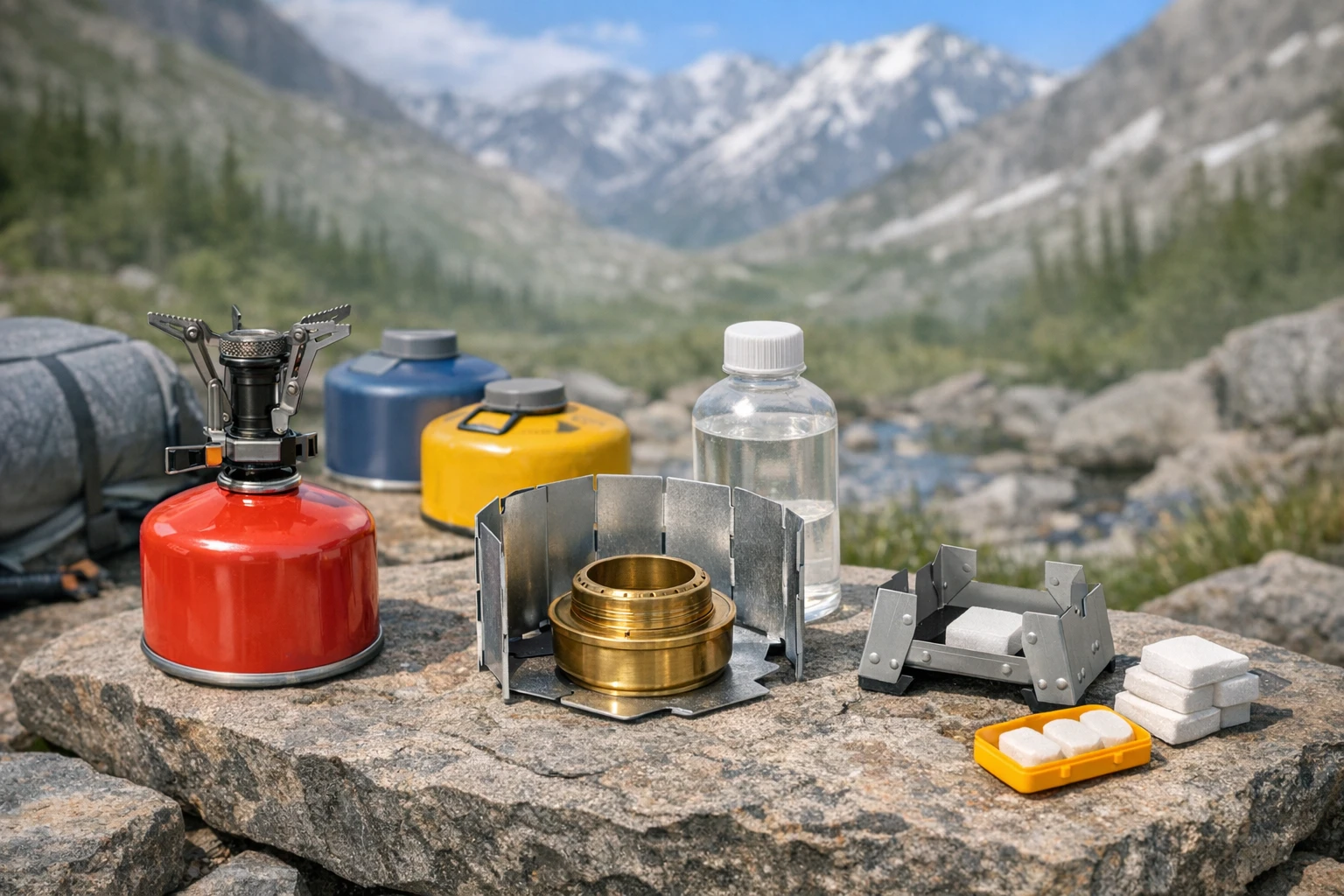
Backpacking enthusiasts constantly seek ways to reduce pack weight while maintaining reliable cooking capability. This guide explores the three primary fuel categories used by ultralight hikers: pressurized canister fuel, liquid alcohol fuel, and solid fuel tablets. Readers will learn how each fuel type functions, the situations in which it excels, and the trade‑offs that influence selection. The article also integrates real‑world product examples to illustrate practical application.
Background and Context
Understanding stove fuel begins with recognizing the chemistry behind combustion. Pressurized canisters combine isobutane and propane, delivering high vapor pressure that supports rapid boiling even at altitude. Alcohol stoves burn denatured ethanol or methanol, providing a low‑tech, lightweight solution that does not require pressurization. Solid fuel tablets are compact, smokeless blocks composed of hexamine or similar compounds, designed for emergency heat when other systems fail. Each system presents unique performance characteristics that affect weight, boil time, safety and environmental impact.
Pressurized Canister Fuel
Pressurized canisters are the most common choice for modern ultralight backpackers because they offer consistent flame control and quick boil times. The blend of butane and propane creates a high‑pressure vapor that remains stable in temperatures as low as -10 °C, although performance does decline in extreme cold. Advantages include easy ignition, precise heat adjustment, and compatibility with a wide range of stove designs. Disadvantages involve higher cost per meal, the need to carry a regulator‑compatible stove, and the environmental consideration of disposable metal canisters.
The KOMAN Isobutane Fuel Canisters provide a reliable 4 oz canister in a six‑pack configuration, delivering 100 g of blended fuel per canister. Each canister measures 3.8 × 3 inches, making it easy to store in a pocket or side‑pouch, and the screw‑on fitting ensures universal compatibility with most ultralight stoves. With a 4.6‑star rating from 27 reviewers, users praise the consistent output and all‑season performance. Priced at $34.29, the pack offers a cost‑effective solution for multi‑day trips where fuel consumption is predictable.
The MSR PocketRocket 2 exemplifies an ultralight stove optimized for these canisters, weighing only 2.6 oz and collapsing to a 2 × 2 × 3 in footprint. It boils one liter of water in approximately 3.5 minutes, and the flame can be adjusted from a gentle simmer to a vigorous boil for gourmet meals. The stove requires no priming or pressurization, simplifying operation for novice hikers. Its 4.8‑star rating from over 4,200 reviews confirms durability and reliability across diverse environments.
Liquid Alcohol Fuel
Alcohol stoves rely on the combustion of high‑purity ethanol, methanol or isopropyl alcohol, which are readily available in many regions. Because the fuel is stored in a simple container, the system eliminates the need for heavy pressurized canisters, reducing overall pack weight. The primary advantage is simplicity; the stove can be assembled from a few components and refueled with common household alcohol. However, alcohol burns at a lower temperature than canister fuel, resulting in longer boil times, and flame control is less precise.
The Keweis Mini Alcohol Stove offers a compact, ultra‑light solution weighing only 145 g (5 oz) with a foldable handle for easy transport. Its aluminium alloy base and brass burner provide stability, while a rubber O‑ring seal prevents leaks and evaporation. Reviewers note a burn time of roughly 50 minutes per 100 ml of 95 % alcohol, making it suitable for short meals or emergency heat. At $13.99 and a 4.5‑star rating from 797 users, it presents an economical alternative for hikers who prioritize minimal weight.
Solid Fuel Tablets
Solid fuel tablets are engineered for reliability in extreme conditions, offering a smokeless, odorless flame that works at high altitude and sub‑zero temperatures. The tablets are typically composed of hexamine or a similar compound that ignites with a match or lighter and produces minimal residue. Their greatest strength lies in portability; a small pouch can hold dozens of tablets, providing weeks of emergency heat without the bulk of liquid containers. The main drawback is lower heat output, which translates to slower boiling and limited cooking versatility.
The Coghlan's Solid Fuel Firestarter Tablets come in a pack of 24 tablets, each delivering approximately nine minutes of clean‑burning heat. They are designed for use with Coghlan’s Emergency Stove but are compatible with most solid‑fuel stoves. Users highlight the tablets’ ease of ignition and the low cost of $9.59, reinforced by a 4.6‑star rating from 1,778 reviewers.
The Esbit 4g Solid Fuel Tablets provide a German‑engineered option, offering 20 tablets that each burn for about five minutes at temperatures up to 1,300 °F. Their waterproof packaging ensures a ten‑year shelf life, and the tablets function reliably at high altitude and in freezing conditions. Priced at $17.98 with a 4.6‑star rating from 2,153 reviews, they are a premium choice for serious emergency preparedness.
Comparison and Selection Guide
The following table summarizes the key attributes of each fuel category, enabling readers to match their priorities with the most suitable option.
| Fuel Type | Weight per Meal | Boil Time (1 L) | Temperature Range | Best Use Case | Typical Cost |
|---|---|---|---|---|---|
| Pressurized Canister | ≈ 30 g | 3.5 min (MSR PocketRocket 2) | High – reliable in cold | Multi‑day trips, gourmet cooking | $34.29 for six 4 oz cans |
| Liquid Alcohol | ≈ 15 g (per 100 ml alcohol) | 5‑7 min (Keweis Mini) | Moderate – slower in cold | Ultralight weight‑critical trips, emergency backup | $13.99 per stove + alcohol |
| Solid Fuel Tablets | ≈ 5 g per tablet | 8‑10 min (Coghlan’s) / 5 min (Esbit) | Low – limited heat output | Emergency kits, high‑altitude or winter | $9.59 (Coghlan’s) – $17.98 (Esbit) |
When selecting a fuel system, hikers should weigh three primary factors: total pack weight, expected cooking frequency, and environmental conditions. For long treks where meal variety matters, a canister system paired with a lightweight stove such as the MSR PocketRocket 2 delivers the fastest boil times and greatest control. For speed‑focused, minimalist itineraries, the Keweis Mini Alcohol Stove offers a dramatic reduction in weight at the expense of longer boiling. For emergency preparedness or high‑altitude ventures, solid fuel tablets from Coghlan’s or Esbit guarantee ignition when liquid fuels may fail.
Best Practices & Tips
- Always test your stove and fuel combination at home before relying on it in the backcountry.
- Store canisters upright with the valve protected by a plastic cap to prevent leaks.
- When using alcohol, pre‑heat the burner briefly to improve vaporization and reduce boil time.
- Carry a small spare fuel source of a different type for redundancy in case of failure.
- Dispose of spent canisters responsibly; many outdoor stores accept them for recycling.
Frequently Asked Questions
- Can I use the KOMAN canisters with any ultralight stove?
- Yes, the screw‑on fitting complies with the standard ISO 10281‑1 thread, making it compatible with most canister stoves, including the MSR PocketRocket 2.
- How does altitude affect alcohol stove performance?
- Alcohol burns at a lower temperature than pressurized fuel, and reduced air pressure at altitude can further slow combustion; pre‑heating the burner and using a windscreen mitigates this effect.
- Are solid fuel tablets safe for indoor use?
- Both Coghlan’s and Esbit tablets produce fumes that can be hazardous in enclosed spaces; they should only be used outdoors or in well‑ventilated shelters.
- What is the most cost‑effective fuel for a month‑long trek?
- Pressurized canisters typically have the lowest cost per calorie when purchased in bulk; a six‑pack of KOMAN canisters provides ample fuel for a typical month‑long hike at $34.29.
- Do I need a separate lighter for alcohol stoves?
- Alcohol stoves require an initial flame source such as a lighter or match; once lit, the fuel sustains the flame without additional ignition.
Conclusion
This guide has examined the three dominant stove fuel types for ultralight backpacking, highlighting their chemistry, performance metrics, and ideal use cases. Pressurized canister fuel delivers the fastest boil times and precise control, making it the preferred choice for most multi‑day adventures. Liquid alcohol offers unparalleled weight savings and simplicity, suited for speed‑oriented hikers and emergency backups. Solid fuel tablets provide unmatched reliability in extreme conditions, serving as a vital component of any comprehensive emergency kit. By assessing personal priorities against the comparison table, readers can select the fuel system that best aligns with their expedition goals.
Products Featured in This Guide
KOMAN Isobutane Fuel Canisters
Price: $34.29 | Rating: 4.6/5 (27 reviews)
Featured for its high‑performance butane‑propane blend, universal fitting, and all‑season reliability, making it an excellent core fuel for canister stoves.
MSR PocketRocket 2
Price: $49.95 | Rating: 4.8/5 (4,230 reviews)
Featured for its ultralight construction, rapid boil time, and compatibility with standard canister fuel, providing a benchmark for performance.
Keweis Mini Alcohol Stove
Price: $13.99 | Rating: 4.5/5 (797 reviews)
Featured for its ultra‑light aluminium alloy design, leak‑proof O‑ring seal, and variable flame control, ideal for minimalist hikers.
Coghlan's Solid Fuel Firestarter Tablets
Price: $9.59 | Rating: 4.6/5 (1,778 reviews)
Featured for its nine‑minute burn time, clean‑burning composition, and affordability, making it a staple for emergency fire‑starting kits.
Esbit Solid Fuel Tablets
Price: $17.98 | Rating: 4.6/5 (2,153 reviews)
Featured for its high‑temperature output, long shelf life, and proven performance in extreme altitude and sub‑zero environments.
Frequently Asked Questions
What are the main stove fuel types for ultralight backpacking?
The three primary options are pressurized canister fuel (isobutane/propane), liquid alcohol fuel (ethanol or methanol), and solid fuel tablets (hexamine).
How does pressurized canister fuel perform at high altitude?
Its high vapor pressure allows rapid boiling even in thin air, making it reliable for high‑altitude cooking.
What are the weight advantages of liquid alcohol stoves?
Alcohol stoves are lightweight and require no pressurization, often weighing less than canister systems.
When should I choose solid fuel tablets over other fuels?
Solid tablets are ideal for emergencies or situations where weight and simplicity outweigh speed, as they are compact and smokeless.
What are the trade‑offs between canister and alcohol stoves?
Canisters boil faster but add weight and can be harder to find abroad; alcohol stoves are lighter and universally fuel‑compatible but boil more slowly.