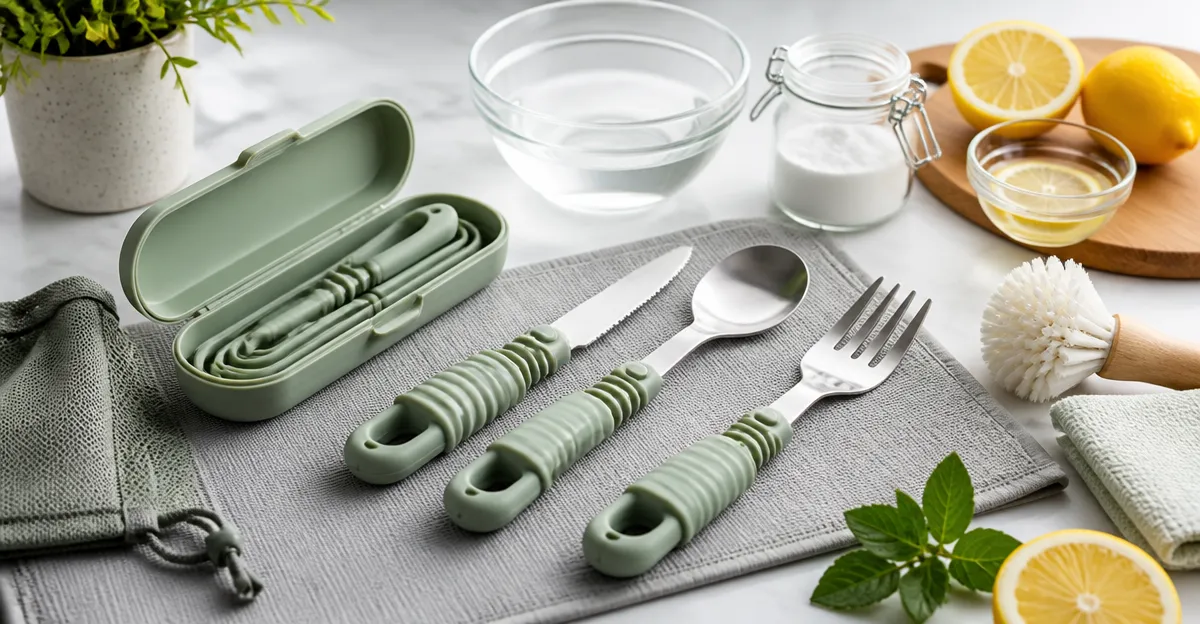
Collapsible Utensils Cleaning Guide: Remove & Prevent Odors from Silicone Travel Cutlery
Introduction
Silicone travel cutlery offers lightweight convenience for commuters, hikers, and busy professionals. However, lingering food odors can diminish the appeal of these reusable tools. This guide explains the science behind odor formation, presents step‑by‑step cleaning methods, and outlines preventive habits that extend product life. Readers will also discover carefully selected accessories that enhance cleaning efficiency.
Background and Context
Silicone is a polymer composed of silicon, oxygen, carbon, and hydrogen atoms, which gives it flexibility, heat resistance, and food‑grade safety. The material is non‑porous, yet microscopic surface irregularities can trap volatile compounds that cause unpleasant smells. Odor sources typically include protein residues, oil buildup, and bacterial metabolites that survive inadequate washing. Understanding these mechanisms allows users to target the root causes rather than merely masking the scent.
Understanding Silicone Odor Formation
When food particles remain on silicone surfaces, enzymes break down proteins into amino acids, releasing sulfur‑containing gases that produce a characteristic stale smell. Heat exposure during cooking can accelerate this process by increasing molecular motion. Additionally, the ribbed texture of some silicone products, such as the KitchenAid Silicone Pot Holders, creates micro‑cavities where residue accumulates. Regular cleaning removes these residues before they polymerize into stubborn odor‑bearing films.
Effective Cleaning Techniques
Three core techniques guarantee thorough odor removal: manual scrubbing, soaking with alkaline solutions, and employing heat‑based sterilization. Manual scrubbing with a soft‑bristled brush dislodges particles from textured surfaces without damaging the silicone. Soaking in a mixture of warm water and a tablespoon of baking soda for fifteen minutes neutralizes acidic compounds and lifts grease. Finally, placing the utensil in a dishwasher on a high‑temperature cycle (above 140°F) or using a pot‑boiling method for five minutes eradicates microbial colonies.
Step‑by‑Step Manual Cleaning
- Rinse the utensil under lukewarm running water to remove loose debris.
- Apply a pea‑size amount of liquid dish soap to a non‑abrasive sponge.
- Scrub all surfaces, paying special attention to ribbed or grooved areas.
- Rinse thoroughly and pat dry with a lint‑free cloth.
Alkaline Soak Method
- Fill a bowl with 250 ml of warm water.
- Add one tablespoon of baking soda and stir until dissolved.
- Submerge the silicone cutlery for fifteen minutes.
- Remove, rinse, and dry as described above.
Heat Sterilization
For deep sanitation, arrange the utensils on a rack and run the dishwasher on the sanitize setting. If a dishwasher is unavailable, bring a pot of water to a rolling boil, submerge the items for five minutes, then remove with tongs and allow to air‑dry. Heat treatment also restores the silicone’s elasticity, preventing cracks that could harbor bacteria.
Preventive Maintenance Strategies
Consistent preventive care reduces the frequency of intensive cleaning sessions. After each use, rinse the utensil promptly to avoid food residue drying onto the surface. Store the cutlery in a well‑ventilated container rather than a sealed plastic bag, as trapped moisture encourages microbial growth. Periodically apply a thin film of food‑grade oil, such as grapeseed oil, to the silicone; this creates a barrier that discourages odor‑absorbing compounds from adhering.
Product Recommendations
While proper cleaning techniques are essential, complementary accessories can streamline the process. The KitchenAid Silicone Pot Holders provide a heat‑resistant surface for soaking larger silicone items without damaging countertops. Their waterproof, slip‑resistant silicone side protects both the utensil and the work area during vigorous scrubbing.
For users who require a versatile set of silicone tools, the Badiano Silicone Utensil Set offers heat‑resistant spoons and spatulas that can be used to stir cleaning solutions directly in the pot, eliminating the need for additional implements. The wooden handles remain cool, ensuring safe manipulation of hot cleaning mixtures.
Comparison and Selection Guide
When choosing accessories for silicone utensil care, consider the following criteria:
| Feature | KitchenAid Silicone Pot Holders | Badiano Silicone Utensil Set |
|---|---|---|
| Primary Function | Heat‑resistant protective pad for handling hot cookware and soaking items | Multi‑purpose cooking tools for mixing, flipping, and stirring cleaning solutions |
| Material Composition | Silicone on one side, cotton/polyester blend on the other | Food‑grade silicone with wooden handle |
| Heat Resistance | Up to 500°F (260°C) | Up to 446°F (230°C) |
| Waterproof Rating | Waterproof and slip‑resistant | Non‑stick silicone, easy to rinse |
| Price | $9.35 | $20.99 |
| Customer Rating | 4.7/5 (10,183 reviews) | 4.9/5 (20 reviews) |
For users focused on protecting surfaces during cleaning, the KitchenAid pot holders present the most cost‑effective solution. Conversely, individuals who desire an all‑in‑one utensil set for both cooking and cleaning will benefit from the Badiano collection, despite its higher price point.
Best Practices & Tips
- Always separate silicone items from metal scrubbers; the latter can create micro‑scratches that trap odor molecules.
- Use a diluted vinegar solution (one part white vinegar to three parts water) as a final rinse to neutralize alkaline residues.
- Rotate storage positions weekly to ensure each utensil receives adequate air circulation.
- Inspect silicone for signs of degradation, such as discoloration or loss of elasticity, and replace when necessary.
- When traveling, place a small packet of activated charcoal in the utensil case to absorb volatile compounds.
Frequently Asked Questions
- Can I place silicone cutlery in the microwave?
- Yes, silicone is microwave safe up to 350°F (177°C); however, avoid sealing the utensil in a container, as steam can trap odors.
- Will bleach damage silicone?
- Bleach can cause discoloration over time; a mild solution of hydrogen peroxide is a safer alternative for sanitizing.
- How often should I perform a deep‑clean soak?
- A deep‑clean soak once a week is sufficient for daily users; intensive cleaning after cooking strongly aromatic foods is recommended.
- Is it necessary to dry silicone completely before storage?
- Yes, residual moisture promotes microbial growth; air‑dry for at least thirty minutes or use a low‑heat setting in a dryer.
- Can I use scented soaps to mask odors?
- Scented soaps may temporarily conceal smells but do not eliminate the underlying compounds; thorough cleaning is preferred.
Conclusion
Maintaining odor‑free silicone travel cutlery requires a combination of proper cleaning techniques, preventive habits, and suitable accessories. By following the outlined methods, users can enjoy the convenience of collapsible utensils without compromising hygiene. Selecting the right supporting products, such as the KitchenAid Silicone Pot Holders or the Badiano Silicone Utensil Set, further simplifies the maintenance routine. Consistent care ensures that silicone tools remain safe, functional, and pleasant to use for years to come.
Products Featured in This Guide
KitchenAid Silicone Pot Holders
Price: $9.35 | Rating: 4.7/5 (10,183 reviews)
Featured because the waterproof, heat‑resistant silicone surface provides a safe platform for soaking and scrubbing larger silicone utensils, reducing the risk of countertop damage.
Badiano Silicone Utensil Set
Price: $20.99 | Rating: 4.9/5 (20 reviews)
Featured because its heat‑resistant silicone spoons and spatulas can be used to stir cleaning solutions directly in hot water, streamlining the deep‑clean process for silicone travel cutlery.