How to Brew Tea on the Trail Without a Kettle: Simple, Lightweight Methods for Hikers
Introduction
Backpacking enthusiasts often crave a warm cup of tea after a long day on the trail. This guide explains how to prepare tea without carrying a traditional kettle, while still preserving flavor and safety. Readers will learn how to select appropriate water sources, heat water using minimal equipment, and brew tea efficiently with lightweight tools. The information is valuable because it reduces pack weight, conserves fuel, and enhances the overall outdoor experience.
The techniques described are suitable for solo hikers, families, and groups who prioritize simplicity. By following the steps, one can enjoy a soothing brew in remote locations without compromising on comfort or safety. The guide also highlights optional compact cookware that can streamline the process for those who desire a dedicated solution.
What You’ll Need
- Clean water source (stream, lake, or water filter)
- Portable heat source (stove, alcohol burner, or campfire)
- Lightweight container for heating water (metal cup, pot, or collapsible kettle)
- Tea leaves or tea bags
- Insulated mug or cup for drinking
- Optional compact cookware set for enhanced efficiency
Step‑by‑Step Instructions
Step 1: Secure Safe Drinking Water
The first priority on any trail is to obtain water that is free from harmful microorganisms. One should collect water from a flowing source whenever possible, as moving water typically contains fewer pathogens. If the water appears cloudy, allow it to settle or filter it through a portable filter before heating.
For hikers who prefer a ready‑made solution, the Stackbear Ceramic Cookware Set includes a 2.1‑quart pot that can be used to boil water directly, eliminating the need for a separate kettle. The set is priced at $39.99, carries a 4.7‑star rating from 40 reviews, and features a non‑stick ceramic coating that prevents water from sticking to the interior.
Using a dedicated pot ensures that the water reaches a rolling boil for at least one minute, which neutralizes most bacteria and protozoa. This step is essential for preventing water‑borne illnesses during multi‑day treks.
After boiling, allow the water to cool for a brief period—approximately one to two minutes—so that the temperature is optimal for tea extraction without scalding the leaves.
Step 2: Choose an Appropriate Brewing Vessel
Traditional kettles are bulky and often prohibited on certain trail regulations. Instead, select a lightweight vessel that can serve both as a heating pot and a brewing container. Metal cups made of aluminum or stainless steel are ideal because they conduct heat quickly and are durable.
The Kitchen Academy Removable Handle Cookware Set offers a 2‑quart saucepan with a detachable handle, allowing the pan to double as a brewing vessel. Priced at $56.99 and rated 4.7 stars from 1,399 reviews, this set includes a storage bag that minimizes space consumption in a backpack.
Detach the handle after heating to reduce the profile of the pan, then place the tea leaves directly inside the saucepan. The removable handle also permits the pan to be placed in an oven or on a grill if a stove is unavailable, providing versatile cooking options.
If weight is a critical concern, the THTYBROS Camping Cookware Kit includes a 0.33‑gallon pot that folds for compact storage. At $19.99 and a 4.7‑star rating from 241 reviews, this kit is the most economical option and offers a hard‑anodized aluminum body that resists corrosion.
Step 3: Heat the Water Efficiently
Place the chosen pot over a stable heat source. Portable canister stoves are the most fuel‑efficient, but an alcohol burner or a small campfire can also be used if regulations allow. Ensure the flame is centered beneath the pot to promote even heating.
When using the Stackbear set, the aluminum core of each pan distributes heat uniformly, reducing fuel consumption. Heat the water until it reaches a full, rolling boil—approximately 212°F (100°C) at sea level. For high‑altitude locations, allow the water to boil for an additional minute to compensate for lower boiling points.
While the water is heating, one can prepare the tea portion. Measure one teaspoon of loose leaf tea per cup, or use a single tea bag. The non‑stick surface of the Stackbear pans prevents tea residue from adhering, simplifying cleanup later.
Once the water is boiling, remove the pot from the heat source using the detachable handle (if present) to avoid burns. Allow the water to rest briefly, as excessively hot water can produce bitter flavors in delicate teas.
Step 4: Brew the Tea
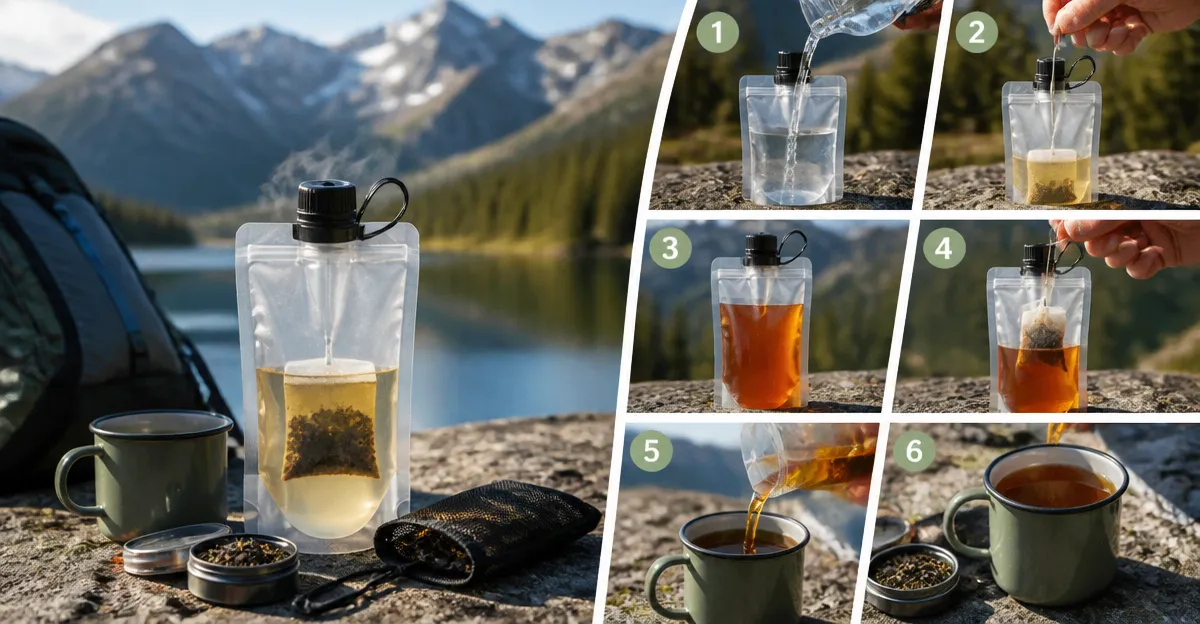
Transfer the hot water into the brewing vessel if a separate container is preferred. For simplicity, many hikers steep directly in the saucepan. Add the tea leaves or bag, then cover the pot with its lid to retain heat.
Steep time varies by tea type: black tea typically requires three to five minutes, green tea two to three minutes, and herbal blends five to seven minutes. The Stackbear set includes a multi‑size lid that fits both the pot and the pan, ensuring a tight seal during steeping.
After the desired steeping period, remove the tea bag or strain the loose leaves using a small, reusable mesh strainer. The Kitchen Academy set includes two silicone utensils that can serve as a makeshift strainer, eliminating the need for additional gear.
Pour the brewed tea into an insulated mug to maintain temperature. Insulated mugs are lightweight and keep the beverage warm for extended periods, which is especially useful during cold mornings.
Step 5: Clean and Pack Up
Proper cleanup prevents mold and unpleasant odors on future trips. Rinse the pot with clean water, then wipe the interior with a soft cloth. The ceramic coating on the Stackbear cookware is easy to clean and does not retain flavors.
If a portable cleaning solution is required, the Kitchen Academy set provides two silicone utensils that can be used to scrub residues without scratching the surface. The anti‑scratch pads included in the Stackbear set further protect the cookware during storage.
Dry all components thoroughly before repacking to avoid rust. The foldable design of the THTYBROS kit allows the pot to collapse into a compact shape, saving valuable space in the backpack.
Store the cookware in its dedicated bag, which is included with each product, to protect it from impact and dust during travel.
Tips & Pro Tips
- Always test water for clarity before boiling; cloudy water may contain sediments that affect tea flavor.
- Use a windscreen around your stove to increase fuel efficiency and reduce heat loss.
- Consider pre‑measuring tea portions in a small zip‑lock bag to streamline the brewing process.
- For high‑altitude treks, increase steeping time slightly to compensate for lower water temperature.
- Carry a small bottle of lemon juice; a few drops can brighten the flavor of black teas brewed at high elevations.
Troubleshooting
Problem: Tea tastes bitter or astringent.
Solution: Reduce steeping time by one minute and ensure water temperature does not exceed the recommended range for the tea type. Using the ceramic non‑stick surface of the Stackbear pots prevents over‑extraction caused by residue buildup.
Problem: Water does not reach a full boil due to low fuel.
Solution: Use a smaller pot, such as the 0.33‑gallon option from the THTYBROS kit, to decrease the volume of water needing heating. A smaller volume boils faster and conserves fuel.
Problem: Carrying too much weight.
Solution: Consolidate cooking gear by selecting a set with detachable handles and stackable design, such as the Stackbear Ceramic Cookware Set, which reduces overall bulk.
Conclusion
Brewing tea on the trail without a kettle is entirely feasible when one follows a systematic approach to water safety, heating, and steeping. By selecting lightweight, multi‑functional cookware, hikers can enjoy a comforting beverage while minimizing pack weight and fuel consumption. The recommended products—Stackbear Ceramic Cookware Set, Kitchen Academy Removable Handle Cookware Set, and THTYBROS Camping Cookware Kit—each provide distinct advantages that align with different hiking styles and budgets.
Readers are encouraged to apply these methods on their next adventure, adapting the steps to local conditions and personal preferences. A warm cup of tea can become a rewarding ritual that enhances morale and provides a moment of calm amid the wilderness.
Products Mentioned in This Guide
Frequently Asked Questions
How can I boil water without a traditional kettle while hiking?
Use a lightweight metal cup, pot, or collapsible kettle on a portable stove, alcohol burner, or campfire to bring water to a boil.
What is the safest water source for making tea on the trail?
Choose a clean stream, lake, or filtered water; always treat or filter water before heating to ensure safety.
Can I brew tea using just tea bags instead of loose leaves?
Yes, tea bags are convenient and work well in a small metal cup; they require the same hot water temperature as loose leaf tea.
How do I minimize fuel consumption when heating water for tea?
Heat only the amount of water you need, use a windscreen, and opt for efficient stoves or alcohol burners to reduce fuel use.
What lightweight cookware options are best for trail tea brewing?
Collapsible silicone kettles, titanium mugs, or aluminum pots provide minimal weight and pack size while handling heat safely.