Backcountry Cooking Etiquette: Guide for Multi‑Group Trips
Introduction
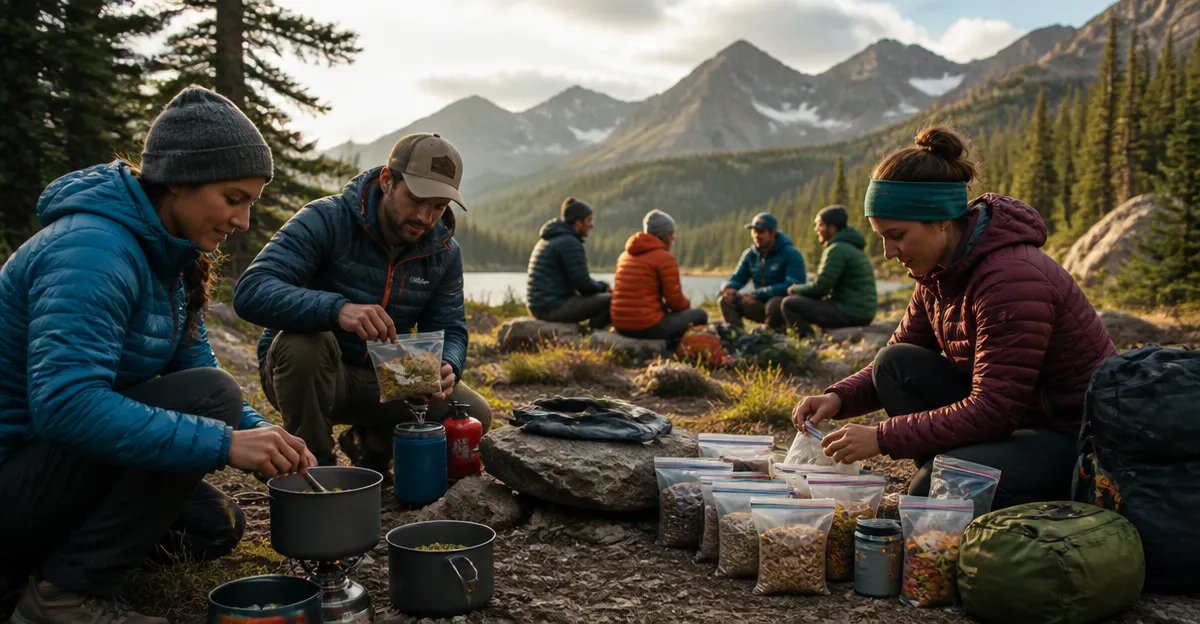
Backcountry cooking presents unique challenges when several parties share limited resources, fire permits, and fragile ecosystems. This guide explains the fundamental etiquette that ensures safety, fairness, and environmental stewardship during multi‑group outings. Readers will learn how to plan cooking zones, allocate equipment, and manage waste while preserving the wilderness for future adventurers. By the end of this article, one will possess a clear framework for respectful and efficient group cooking.
Background and Context
Outdoor cooking traditions date back centuries, yet modern regulations and heightened awareness of Leave‑No‑Trace principles have reshaped how groups interact with fire and food preparation. Understanding fire bans, local wildlife concerns, and the impact of shared cookware is essential before embarking on any expedition. In addition, the rise of lightweight, modular gear has made it possible for small parties to combine resources without excessive bulk. This context frames the recommendations that follow, emphasizing both practical logistics and ethical considerations.
Planning the Cooking Space
Establishing a designated cooking area reduces the risk of accidental fire spread and minimizes soil disturbance. Choose a site on established fire rings or clear a minimal‑impact circle no larger than 1 meter in diameter, keeping a safe distance from tents and water sources. Communicate the chosen location to all participants and post a brief visual reminder, such as a colored flag, to prevent inadvertent encroachment.
When groups converge, it is advisable to assign a cooking coordinator who oversees timing, equipment rotation, and waste collection. This role rotates daily to share responsibility and foster teamwork. The coordinator also ensures that all participants understand the schedule, preventing simultaneous use of limited burners and reducing crowding around the fire.
For groups that require portable cooking surfaces, the THTYBROS Camping Cookware Set offers a compact solution. Weighing under 4.1 lb and featuring a nesting design that fits within a football‑sized footprint, the set includes a kettle, non‑stick pots and pans, stainless‑steel plates, and essential utensils. Its food‑safe non‑stick coating and 304 stainless steel construction provide durability while keeping weight low, making it ideal for shared use among 2‑4 campers.
Food Preparation and Storage
Proper food storage prevents wildlife encounters and preserves the natural balance of the area. Use bear‑proof containers or double‑bagged airtight pouches, and store them at least 100 meters from the cooking site. Rotate food items so that perishable goods are consumed first, reducing the need for extended refrigeration.
Seasoning meals on the trail can be challenging without a dedicated spice kit. The Coghlan's Multi‑Spice Shaker consolidates six essential spices—paprika, curry, cayenne, garlic salt, black pepper, and salt—into a single lightweight container. Each compartment features a flip‑top shaker lid, allowing precise seasoning without the bulk of individual packets. At a price of $10.99 and a rating of 4.5/5 from over eleven thousand reviews, it provides reliable flavor enhancement for both campfire grilling and backpacking meals.
When preparing meals, keep a clean workspace by using the quick‑dry microfiber cloth included with the cookware set. This cloth absorbs spills quickly, preventing insects from being attracted to food residues. Additionally, organize ingredients in the set’s heavy‑duty storage bags to streamline the cooking process and reduce cross‑contamination.
Shared Cooking Equipment
Sharing equipment requires clear protocols to avoid damage and ensure equitable access. Establish a cleaning rotation where each participant wipes down pots, pans, and utensils after use, using the provided cleaning cloth and a small amount of biodegradable soap. Store cleaned items in the designated mesh net bag to allow air circulation and prevent moisture buildup.
When multiple groups need to use a single burner, implement a timed schedule that allocates specific cooking windows to each party. Use a simple kitchen timer or a smartphone alarm to signal the end of a slot, encouraging prompt handoff and minimizing idle waiting time. This practice also reduces the total burn time, conserving fuel and complying with fire restrictions.
The THTYBROS set’s ultralight design allows easy transport between cooking stations, and its sturdy rivets withstand repeated handling. The included storage bags protect delicate components, while the non‑stick surfaces reduce food adherence, simplifying cleanup for shared use. These features collectively support a collaborative cooking environment without sacrificing durability.
Managing Waste and Leave‑No‑Trace Principles
Effective waste management is the cornerstone of responsible backcountry etiquette. Separate organic waste, recyclables, and non‑burnable trash in clearly labeled bags, and pack out all non‑biodegradable material. When permitted, bury biodegradable scraps at least 15 cm deep and away from water sources to promote natural decomposition.
Fire remnants, such as ash and charcoal, should be scattered thinly over a wide area to avoid creating concentrated hotspots that could reignite. Use a small metal scoop from the cookware set to collect ash, then disperse it along the trail as you depart. This practice minimizes the visual impact of fire use and protects the surrounding flora.
For groups that generate a high volume of waste, consider a portable composting system that can be sealed and carried out of the backcountry. This approach aligns with the Leave‑No‑Trace philosophy while offering a sustainable solution for extended trips.
Comparison and Selection Guide
| Criteria | THTYBROS Camping Cookware Set | Coghlan's Multi‑Spice Shaker |
|---|---|---|
| Primary Function | Complete cooking system for 2‑4 people | Compact seasoning container with six spices |
| Weight | Under 4.1 lb (1.86 kg) | Approximately 0.3 lb (0.14 kg) |
| Price | $49.99 | $10.99 |
| Customer Rating | 4.4/5 (162 reviews) | 4.5/5 (11,353 reviews) |
| Key Features | Non‑stick pots, stainless steel plates, nesting design, cleaning cloth, multiple storage bags | Six spices, flip‑top lids, lightweight acrylic body |
| Best For | Group cooking, backpacking, car camping, picnics | Seasoning on the trail, lightweight travel, BBQs |
When selecting gear for multi‑group trips, consider the balance between functionality and portability. The cookware set excels in providing a full suite of cooking tools, while the spice shaker adds flavor without increasing pack weight. For most groups, investing in both items yields the most harmonious cooking experience.
Best Practices & Tips
- Assign a rotating cooking coordinator to manage schedules and equipment rotation.
- Use the nesting feature of the cookware set to transport items in a compact bundle.
- Season meals with the multi‑spice shaker to reduce the need for multiple condiment packets.
- Maintain a strict cleaning routine after each cooking session to prevent cross‑contamination.
- Adhere to fire bans and use a portable stove when open flames are prohibited.
- Pack out all non‑biodegradable waste and disperse ash responsibly.
- Communicate openly about dietary restrictions to avoid food waste and ensure inclusive meal planning.
Frequently Asked Questions
1. How many people can safely share the THTYBROS Camping Cookware Set?
The set is designed for 2‑4 individuals, providing enough pots, plates, and utensils for each participant while keeping the overall weight under 4.1 lb.
2. Is the Coghlan's Multi‑Spice Shaker refillable?
The shaker is not intended for refilling; it is sold as a complete six‑spice kit. Users should purchase a replacement unit when the spices are exhausted.
3. What is the best method for cleaning non‑stick pans in the backcountry?
Rinse the pan with a small amount of water, use the included microfiber cloth to wipe away residue, and apply a drop of biodegradable soap if necessary.
4. Can the cookware set be used over a camp stove as well as an open fire?
Yes, the non‑stick coating and sturdy handles are suitable for both open‑flame cooking and portable stove use, offering flexibility in various environments.
5. How should spices be stored to avoid attracting wildlife?
Keep the spice shaker sealed inside a zip‑lock bag or the heavy‑duty storage bag provided with the cookware set, and store it away from the cooking area when not in use.
Conclusion
Effective backcountry cooking etiquette combines thoughtful planning, respectful use of shared equipment, and diligent waste management. By applying the strategies outlined in this guide, multi‑group parties can enjoy nutritious meals while preserving the wilderness for future generations. The recommended gear—namely the THTYBROS Camping Cookware Set and Coghlan's Multi‑Spice Shaker—enhances efficiency without compromising the principles of Leave‑No‑Trace. One should remember that the spirit of cooperation and environmental stewardship is the true foundation of successful group cooking adventures.
Products Featured in This Guide
THTYBROS Camping Cookware Set
Price: $49.99
Rating: 4.4/5 (162 reviews)
Featured because it provides a complete, ultralight cooking solution that accommodates 2‑4 campers, includes non‑stick cookware, stainless‑steel utensils, and convenient storage accessories.
Coghlan's Multi‑Spice Shaker
Price: $10.99
Rating: 4.5/5 (11,353 reviews)
Featured because it consolidates six essential seasonings into a lightweight, mess‑free container, enhancing flavor variety without adding significant pack weight.