Which Backpacking Stoves Are Allowed During Fire Bans? Your Complete Guide to Legal, Safe Options
Introduction
During periods of heightened wildfire risk, many land managers impose fire bans that restrict open flames and certain cooking devices. Backpackers who rely on lightweight stoves must understand which technologies remain permissible and how to comply with regulations while maintaining a reliable meal solution. This guide explains the regulatory framework, outlines stove categories that are typically allowed, compares three highly rated models, and provides practical tips for safe cooking under fire bans. Readers will leave with a clear plan for selecting and using a stove that meets both legal and performance criteria.
Background and Context
Fire bans are enacted to reduce the probability that a small spark will ignite dry vegetation. The specific language of a ban varies by jurisdiction, but most bans prohibit open‑flame campfires, charcoal grills, and devices that produce uncontrolled heat. Canister stoves that burn a controlled mixture of isobutane and propane, as well as alcohol and solid‑fuel stoves, are generally considered acceptable because they produce a contained flame and low radiant heat. Understanding the distinction between “open flame” and “controlled flame” equipment is essential for staying within the law and protecting fragile ecosystems.
Key Concepts and Stove Categories
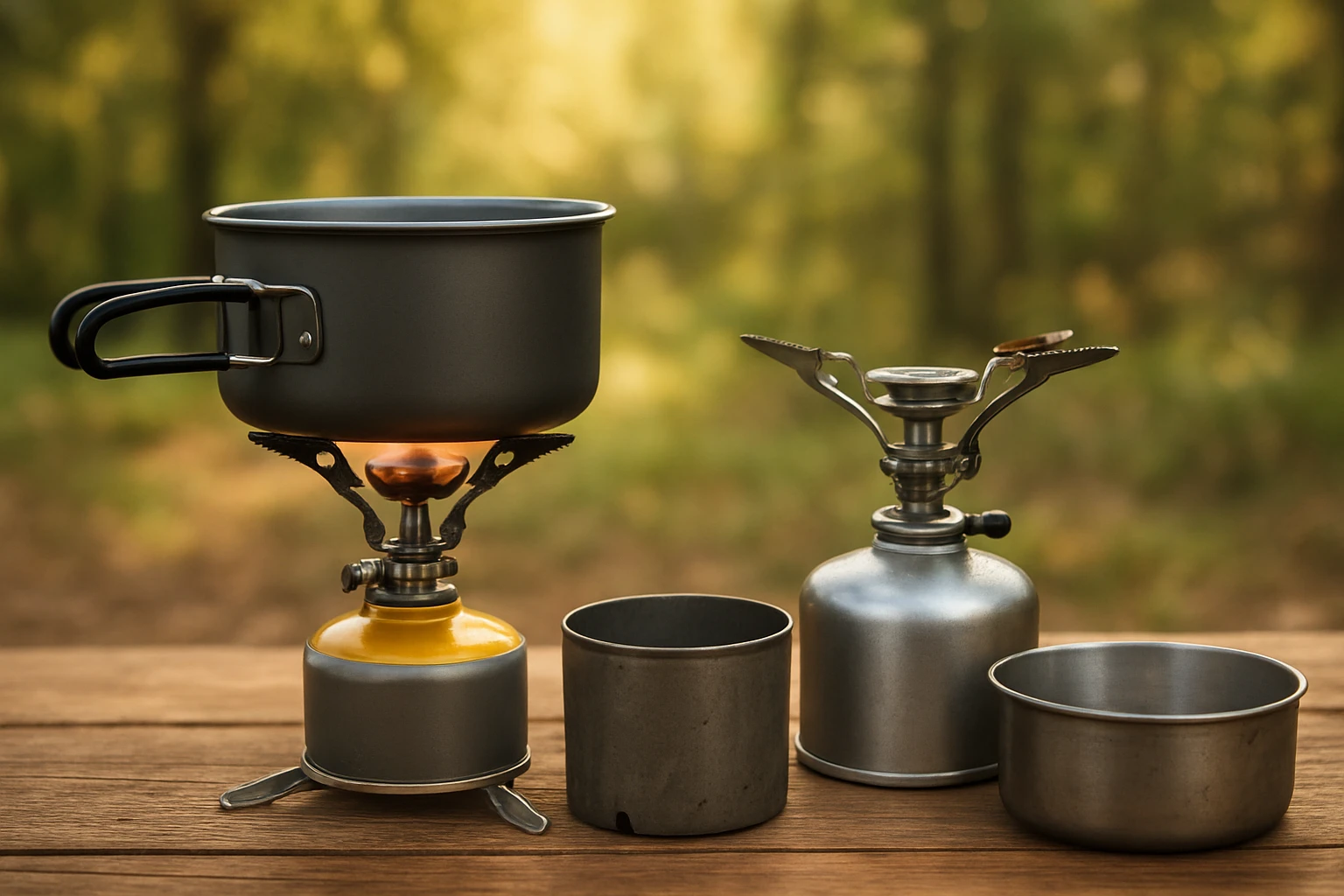
Backpackers should become familiar with three primary stove categories that are frequently permitted during fire bans: canister stoves, alcohol stoves, and solid‑fuel stoves. Canister stoves use a pressurized fuel cartridge and feature a built‑in regulator that limits flame size. Alcohol stoves burn denatured ethanol or methanol and rely on a simple burner cup, producing a low‑intensity flame that is easy to extinguish. Solid‑fuel stoves burn pre‑formed tablets or pellets, offering a compact solution with minimal moving parts. Each category has distinct advantages in terms of weight, boil time, and ease of use.
Regulatory agencies often require that stoves be used with a windscreen or shield to prevent stray embers from escaping. Additionally, many bans mandate that stoves be turned off when unattended and that users carry a fire‑extinguishing tool such as a small bucket of water or a fire‑blanket. By adhering to these guidelines, backpackers can minimize risk while still enjoying hot meals on the trail.
Recommended Stoves for Fire‑Ban Conditions
Below are three products that exemplify the qualities needed for legal and efficient cooking during fire bans. The first mention of each product includes a direct affiliate link to the Amazon listing.
1. MSR PocketRocket 2
MSR PocketRocket 2 is an ultralight canister stove that weighs only 2.6 oz and folds to a compact 2 × 2 × 3 in footprint. It boils one liter of water in 3.5 minutes and offers a flame that can be adjusted from a gentle simmer to a vigorous boil, making it suitable for both quick coffee and gourmet meals. The stove operates without priming or pre‑heating, and its serrated pot supports accommodate a wide range of cookware sizes. With a 4.8‑star rating from 4,242 reviews, it is praised for reliability and ease of use.
2. BRS 3000T
BRS 3000T is an ultralight titanium canister stove that weighs a mere 25 g, making it one of the lightest options on the market. It generates 2,700 W of power, boiling one liter of water in just under three minutes while consuming approximately 140 g of fuel per hour. The stove features a stable, even flame and a simple twist‑on mechanism that eliminates the need for complex assembly. Reviewers highlight its durability, compactness, and value for money, with a 4.6‑star rating from 3,848 reviews.
3. Fire‑Maple Fixed Star 1
Fire‑Maple Fixed Star 1 integrates a 1‑liter hard‑anodized aluminum pot with a built‑in piezoelectric ignitor, creating a single‑unit cooking system. Its proprietary heat‑exchange technology reduces boiling times by up to 30 % compared with traditional backpacking stoves, even in windy conditions. The system weighs 18 oz and packs entirely inside the cooking pot, offering exceptional compactness. With a 4.5‑star rating from 3,347 reviews, users commend its sturdy construction, efficient fuel use, and ease of ignition.
Comparison and Selection Guide
| Feature | MSR PocketRocket 2 | BRS 3000T | Fire‑Maple Fixed Star 1 |
|---|---|---|---|
| Weight (with case) | 4.2 oz | 25 g (0.9 oz) | 18 oz |
| Boil Time (1 L) | 3.5 min | 2 min 58 s | ~2 min 30 s (30 % faster) |
| Fuel Type | Isobutane‑propane canister | Isobutane‑propane canister | Compatible canisters (excluding Coleman) |
| Price | $49.95 | $16.89 | $49.95 |
| Rating | 4.8/5 (4,242 reviews) | 4.6/5 (3,848 reviews) | 4.5/5 (3,347 reviews) |
Backpackers should match these specifications to their individual priorities. Those who value absolute minimal weight may favor the BRS 3000T, while hikers who prefer a robust case and consistent performance might select the MSR PocketRocket 2. The Fire‑Maple Fixed Star 1 offers an integrated pot‑stove system that reduces pack space and excels in windy environments, making it ideal for multi‑day treks where space is at a premium.
Best Practices and Safety Tips
- Always verify the local fire‑ban regulations before departing; some areas require a permit for any open‑flame device.
- Use a windscreen or shield to contain the flame and improve fuel efficiency; this also reduces the risk of stray embers.
- Keep a fire‑extinguishing method, such as a small water pouch or a fire‑blanket, within arm’s reach while cooking.
- Never leave a lit stove unattended, even for a short period; turn the valve to the closed position immediately after use.
- Store fuel canisters away from direct sunlight and heat sources to prevent pressure buildup.
- Practice stove assembly and operation at home before heading into a restricted area; familiarity reduces the chance of mishandling.
Frequently Asked Questions
- Are canister stoves legal during all fire bans? Most fire bans allow regulated canister stoves because they produce a controlled flame and low radiant heat, but some jurisdictions may impose temporary restrictions during extreme conditions. Always check the specific ban language.
- Can I use an alcohol stove in a fire‑ban area? Alcohol stoves are generally permitted because they burn cleanly and produce a small flame, yet some bans still prohibit any open flame. Verify local rules before relying on an alcohol stove.
- What is the safest way to transport fuel canisters? Keep canisters upright, store them in a padded sleeve, and avoid exposing them to temperatures above 120 °F (49 °C). Do not place them near a heat source or in direct sunlight for extended periods.
- How can I minimize fuel consumption while cooking? Use a windscreen, match pot size to flame, and keep the lid on the pot to retain heat. Pre‑heat water on a low setting before bringing it to a boil can also reduce fuel use.
- Do solid‑fuel stoves comply with fire‑ban regulations? Solid‑fuel stoves are often accepted because they burn a contained tablet or pellet, but some bans may still restrict them if they produce visible flames. Review local guidelines before use.
Conclusion
Understanding fire‑ban regulations and selecting a stove that complies with those rules are essential steps for responsible backpacking. The MSR PocketRocket 2, BRS 3000T, and Fire‑Maple Fixed Star 1 each provide reliable performance while meeting the typical requirements of fire‑ban policies. By following the best‑practice checklist and staying informed about local restrictions, hikers can enjoy hot meals safely and legally, preserving both personal safety and the natural environment.
Products Featured in This Guide
MSR PocketRocket 2
Price: $49.95 | Rating: 4.8/5 (4,242 reviews)
Featured because it combines ultralight construction with fast boil times and a reliable flame‑control system, making it ideal for fire‑ban compliant cooking.
BRS 3000T
Price: $16.89 | Rating: 4.6/5 (3,848 reviews)
Featured for its extreme lightweight design (25 g) and rapid boil performance, offering a budget‑friendly option for ultralight backpackers.
Fire‑Maple Fixed Star 1
Price: $49.95 | Rating: 4.5/5 (3,347 reviews)
Featured because its integrated pot‑stove system reduces pack size and its heat‑exchange technology improves efficiency in windy conditions, a common challenge during fire bans.