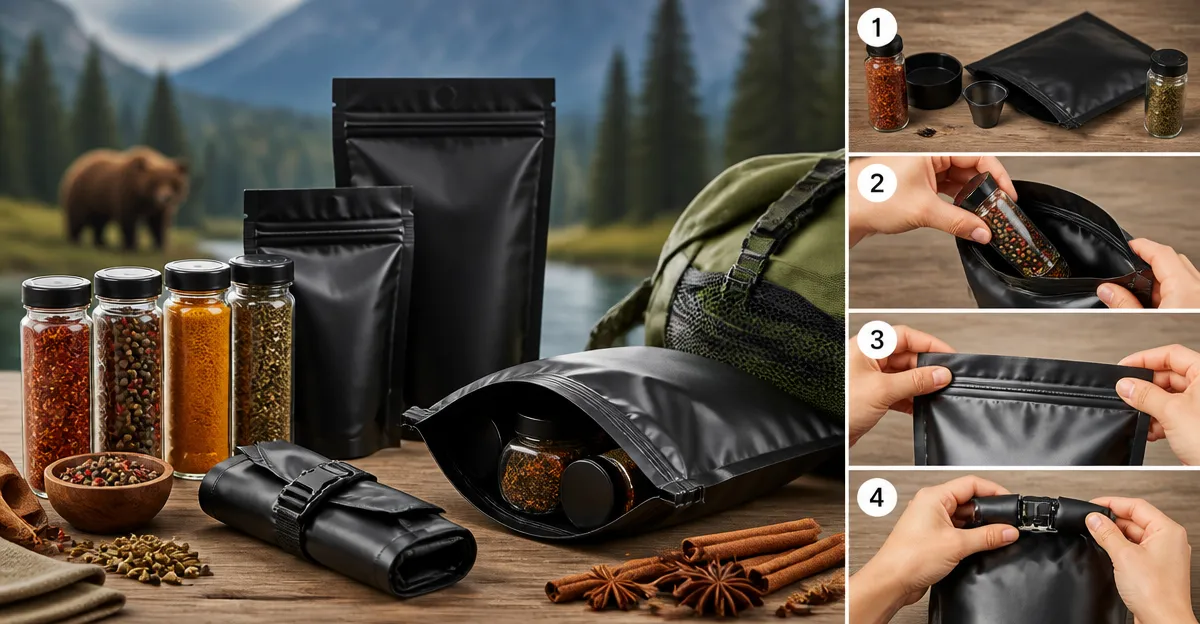
How to Pack Spices to Avoid Attracting Wildlife: Odor‑Proof Packing Tips for Camping, Backpacking, and Travel
Introduction
When venturing into wilderness areas, the scent of food can draw bears, raccoons, and other curious animals. Spices, although used in small quantities, emit aromatic compounds that are detectable by wildlife. This guide explains how to pack spices so that odors are contained, thereby reducing the risk of unwanted encounters. Readers will learn which materials are most effective, how to organize spices for easy access, and which Amazon products provide reliable odor‑proof solutions. By following the steps, one can enjoy flavorful meals without compromising safety.
What You'll Need
- Odor‑proof bags or containers (see product recommendations below)
- Small zip‑lock bags for pre‑portioning spices
- Labeling supplies such as waterproof markers
- Lightweight, resealable dry bags for secondary storage
- Cleaning cloth or wipes for post‑trip maintenance
Step 1: Select an Odor‑Proof Primary Container
The first decision is the main container that will hold all spice packets. A container with activated carbon lining provides the highest level of odor absorption. The Free Boy Smell Proof Lock Bag costs $13.99 and holds a 4.7/5 rating from 3,848 reviews. Its key features include a carbon‑fiber lining that traps scent molecules, a combination lock for security, and interior mesh pockets for organization. The lock can be set to a personal code, preventing accidental opening by children or pets. Because the bag is waterproof and durable, it can be attached to a backpack or placed inside a larger duffel without adding significant weight.
Alternatives such as the Lerine Bear Food Storage Bags (price $15.99, rating 4.3/5) offer a double‑track zip closure and are made from food‑grade PEVA. While these are slightly larger (12" x 20"), they lack a lock but provide excellent barrier technology for odor control. For travelers who prioritize a lockable system, the Free Boy bag remains the most secure option.
Choosing the right primary container reduces the need for multiple backup bags, saving space and weight. It also ensures that any accidental spills are contained, preventing scent leakage.
Step 2: Pre‑Portion Spices in Small Sealable Bags
Before placing spices into the primary container, divide them into single‑serving portions using small zip‑lock bags. This practice limits the amount of surface area exposed to air, thereby reducing odor emission. Use bags that are thick and have a reliable seal; the LOKSAK OPSAK Odorproof Dry Bags (price $15.99, rating 4.4/5) are designed for both odor and water resistance. Their patented two‑level seal has been tested underwater, confirming that the seal holds under pressure.
Place each spice portion in a bag, squeeze out excess air, and seal using the double‑press closure. Label each bag with a waterproof marker to avoid confusion during cooking. The double‑seal system of the OPSAK bags ensures that even if one seal fails, the secondary barrier maintains odor containment.
By pre‑portioning, one also reduces the time spent rummaging through a larger bag, which can create unnecessary openings that release scent.
Step 3: Secure the Primary Container with a Secondary Barrier
Even the best odor‑proof bag can benefit from an extra layer of protection, especially on long trips where the bag may be jostled. The Doogioir Odor Proof Storage Bags (price $12.99, rating 4.2/5) feature a top double seal and are made from BPA‑free, food‑safe material. Placing the Free Boy bag inside a Doogioir bag creates a redundant barrier that further masks any residual scent.
To implement this step, open a Doogioir bag, insert the sealed Free Boy bag, and close the double seal firmly. The outer bag’s waterproof construction also protects against rain or condensation, which could otherwise compromise the inner bag’s seal.
This redundancy is comparable to using a fire‑resistant safe inside a waterproof case; the combination addresses both odor and moisture risks.
Step 4: Organize Within Your Backpack for Easy Access
Placement of the odor‑proof system inside the pack influences both convenience and scent diffusion. Store the sealed bags in the middle of the pack, surrounded by non‑food items such as clothing or sleeping gear. This creates a physical buffer that further dampens any faint odors that might escape.
If additional organization is required, the mesh pockets inside the Free Boy bag can hold small accessories such as spice grinders, mini spoons, or a lightweight label holder. The bag’s dimensions (11.8" x 8.6") fit comfortably in most 40‑liter backpacks without protruding.
Keep the bag away from the vent openings of the pack, as airflow could carry scent toward the exterior. By positioning the bag centrally, one also distributes weight evenly, improving balance on the trail.
Step 5: Maintain Cleanliness and Re‑Seal After Each Use
After each cooking session, transfer any leftover spices back into their pre‑portioned bags, wipe the interior of the primary container with a damp cloth, and allow it to air dry before resealing. The carbon‑fiber lining of the Free Boy bag is designed to be wiped clean; however, excessive moisture can reduce its odor‑absorbing efficiency.
For a quick drying method, place the bag in a well‑ventilated area of the pack during travel. The TAINESS Bear Food Storage Bags (price $9.99, rating 4.3/5) are inexpensive backup options if a seal fails; they can be used to store wet items separately, preventing moisture from reaching the primary odor‑proof bag.
Regular maintenance ensures that the activated carbon continues to function effectively throughout the trip, and it also extends the lifespan of the bags.
Tips & Pro Tips
- Avoid storing whole spices such as cloves or cinnamon sticks directly in the primary bag; their strong oils are more likely to permeate the material.
- Combine spices with a small amount of inert filler (e.g., rice or silica packets) to absorb excess moisture and reduce scent release.
- When cooking, use a portable stove with a windscreen to keep the flame low and minimize smoke, which can carry aromatic particles.
- Consider adding a scented deterrent (e.g., bear spray) near the campsite as an additional safety measure.
- Test the seal of each bag before departure by submerging it briefly in water; a few bubbles are normal, but a steady stream indicates a leak.
Troubleshooting
Problem: Persistent odor despite using odor‑proof bags.
Solution: Verify that the bag’s seal is fully engaged. Re‑seal using the double‑press mechanism and ensure no debris interferes with the closure. If the odor continues, place the bag inside a secondary Doogioir bag for added containment.
Problem: Bag becomes wet after rain.
Solution: Store the bag inside a waterproof dry sack or the interior pocket of the backpack. The LOKSAK OPSAK bag’s 200‑foot water resistance provides an extra safeguard.
Conclusion
By selecting appropriate odor‑proof containers, pre‑portioning spices, employing secondary barriers, and maintaining proper organization, one can significantly reduce the likelihood of attracting wildlife. The recommended products—Free Boy Smell Proof Lock Bag, Lerine Bear Food Storage Bags, LOKSAK OPSAK Odorproof Dry Bags, TAINESS Bear Food Storage Bags, and Doogioir Odor Proof Storage Bags—offer a range of features that address security, durability, and odor control. Implementing these steps enables outdoor enthusiasts to enjoy flavorful meals while preserving safety for both humans and animals.
Products Mentioned in This Guide
Frequently Asked Questions
What type of container is best for keeping spice aromas from attracting wildlife?
Use a dedicated odor‑proof bag or hard‑sided container that seals tightly, such as those with a carbon‑filter liner.
How should spices be organized inside the odor‑proof container for easy access?
Pre‑portion spices into small zip‑lock bags, label them with waterproof markers, and stack them loosely to prevent crushing.
Can regular zip‑lock bags protect spices from wildlife scents?
Regular zip‑locks reduce leakage but are not fully odor‑proof; they should be placed inside a primary odor‑proof container.
What secondary storage method helps keep spices dry and odor‑contained?
Store the primary odor‑proof container inside a lightweight resealable dry bag for extra moisture and scent protection.
How do I clean spice containers after a trip to maintain odor‑proof performance?
Wipe the interior with a damp cleaning cloth or wipes, then let it air‑dry completely before the next use.