Introduction
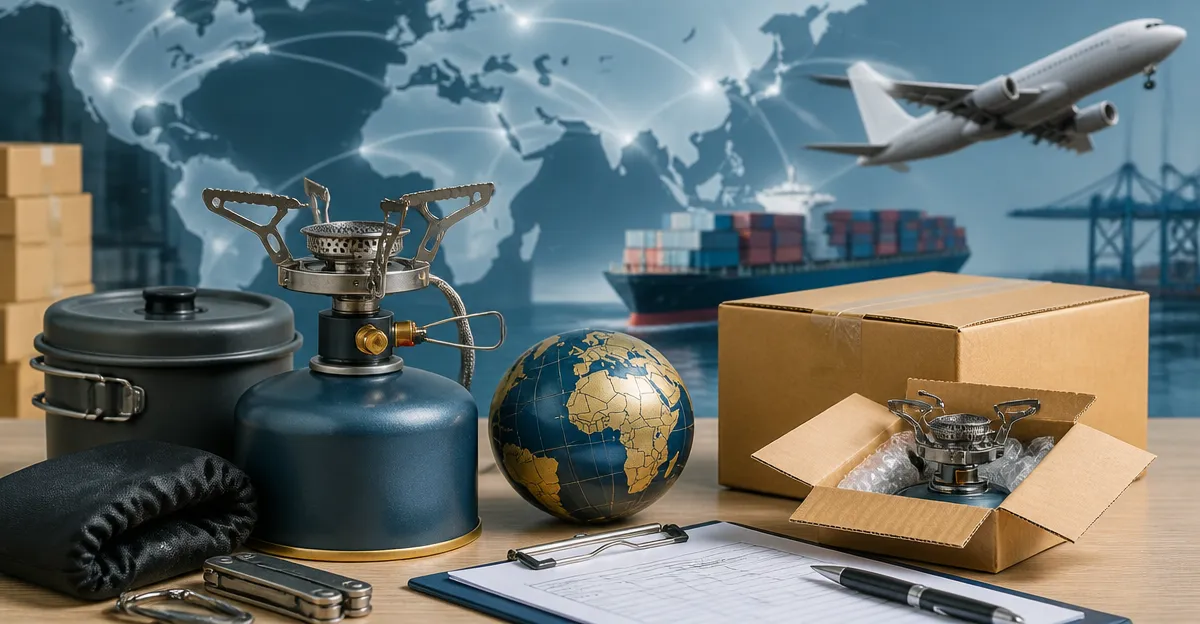
International travel often requires resupplying essential gear such as a backpacking stove. This guide explains how to ship a stove across borders, navigate customs regulations, and select safe alternatives when shipping is impractical. Readers will learn about documentation, packaging standards, and the most reliable carriers for outdoor equipment. The article also highlights specific products that excel in weight, durability, and performance, providing real‑world examples for every budget.
Background and Context
Backpacking stoves are classified as pressurized gas devices in many jurisdictions, which subjects them to strict handling rules. Understanding the distinction between canister‑fuel stoves, liquid‑fuel units, and solid‑fuel alternatives is essential before arranging a shipment. Additionally, each country may impose unique import duties, hazardous‑material fees, or prohibited‑item lists that affect delivery time and cost. Familiarity with these variables enables travelers to avoid unexpected delays and fines.
Most outdoor enthusiasts rely on lightweight, high‑efficiency models such as the MSR PocketRocket 2 or the Fire‑Maple Fixed Star 1. These stoves combine compact dimensions with reliable flame control, making them ideal candidates for international shipment. However, the same attributes that make them attractive to hikers also trigger hazardous‑material classifications in transit.
Understanding International Shipping for Backpacking Stoves
The first step is to verify whether the chosen stove is permitted for air or sea transport. Most carriers treat canister‑fuel stoves as dangerous goods because they contain pressurized isobutane‑propane mixtures. Regulations such as IATA Dangerous Goods Regulations (DGR) require the canister to be empty, or the stove to be shipped without fuel. When shipping a stove only, the device itself is generally allowed, but the packaging must clearly state that no fuel is present.
When the destination country enforces stricter rules, it may require a safety data sheet (SDS) for the stove’s components. Providing this documentation in advance can accelerate customs clearance. In practice, many travelers ship the stove separately from the fuel canisters, then purchase local fuel upon arrival. This approach avoids the complexities of hazardous‑material permits while still delivering the essential cooking hardware.
Preparing Your Stove for Export
Proper preparation reduces the risk of damage and ensures compliance with carrier policies. Begin by cleaning the stove thoroughly to remove any residue that could be mistaken for fuel leaks. Disassemble removable parts, such as pot supports or igniters, and place them in a labeled pouch. For the BRS‑3000T, the tiny titanium legs should be folded outward to protect the burner tip.
Next, select a sturdy, double‑wall cardboard box that exceeds the stove’s dimensions by at least two inches on each side. Line the interior with bubble wrap or foam sheets, ensuring the stove is immobilized. Seal the box with reinforced packing tape and affix a "No Fuel – Empty Canister" label in bold lettering. Including a printed copy of the product’s specifications—such as the MSR PocketRocket 2’s 2.6 oz weight and 3.5‑minute boil time—helps customs officers verify the item’s legitimacy.
Choosing the Right Shipping Service
Not all carriers treat outdoor equipment equally. Major couriers like DHL, UPS, and FedEx offer specialized hazardous‑goods handling, but they often charge premium rates for pressurized items. For a stove without fuel, standard parcel services are usually sufficient, provided the package complies with size and weight limits. Compare rates using the carriers’ online calculators, and consider the delivery speed required for your expedition timeline.
When shipping to regions with limited postal infrastructure, sea freight may be more reliable despite longer transit times. Sea freight typically imposes fewer restrictions on non‑fuel items, making it a cost‑effective solution for bulk resupply shipments. Always request a tracking number and opt for insurance coverage equal to the stove’s retail price—e.g., $49.95 for the MSR PocketRocket 2—to protect against loss or damage.
Customs Regulations and Documentation
Customs authorities require a commercial invoice that lists the product name, ASIN, price, and a clear statement that the item contains no fuel. Include the manufacturer’s warranty information, such as the MSR PocketRocket 2’s three‑year limited warranty, to demonstrate legitimacy. For the Fire‑Maple Greenpeak 1, note its 85 g weight and stainless‑steel construction, as these details help classify the item correctly.
Some countries require an import permit for metal components, especially if the stove incorporates aluminum or titanium alloys. Research the destination’s regulations through official customs portals or by contacting the local embassy. Providing a Harmonized System (HS) code—typically 7321.90 for portable gas stoves—streamlines the clearance process.
Safe Packing Alternatives and Backup Options
If shipping a stove proves too cumbersome, consider alternative strategies. One option is to ship a complete cooking kit, such as the Odoland Camping Cookware Set, which includes a foldable stove, pots, and utensils. This all‑in‑one package simplifies customs declarations because it is treated as a single consumer good.
Another approach is to rely on local rental services or purchase a stove upon arrival. Many popular destinations have outdoor retailers that stock the same models highlighted in this guide. For emergency scenarios, a lightweight backup like the BRS‑3000T—weighting only 25 g—can be carried in a personal carry‑on bag, bypassing the need for shipment altogether.
Comparison and Selection Guide
| Product | Weight | Boil Time (1 L) | Key Advantage | Typical Use Case |
|---|---|---|---|---|
| MSR PocketRocket 2 | 2.6 oz (4.2 oz with case) | 3.5 min | Ultralight, reliable flame control | Fast‑and‑light alpine trips |
| Fire‑Maple Fixed Star 1 | 18 oz (including pot) | ~2.5 min (integrated pot) | Integrated pot and igniter, heat‑exchange efficiency | Backcountry meals requiring rapid boiling |
| BRS‑3000T | 0.9 oz (25 g) | ~2 min 58 s | Extreme lightweight, budget‑friendly | Ultralight thru‑hiking and emergency kits |
| Odoland Camping Cookware Set | Varies (full set ~2 lb) | 7 min (water) | Complete kit with utensils and cup | Family camping and picnic scenarios |
| Fire‑Maple Greenpeak 1 | 85 g (3 oz) | ~1 min 18 s (16 oz water) | Micro‑size, ultra‑compact | Day hikes and emergency preparedness |
When selecting a stove for international shipment, prioritize models with minimal fuel dependency and robust construction. The MSR PocketRocket 2 and Fire‑Maple Fixed Star 1 both score above 4.5 stars, indicating strong user satisfaction and proven durability. For travelers on a tight budget, the BRS‑3000T offers comparable performance at a fraction of the cost.
Best Practices & Tips
- Ship the stove without fuel; purchase compatible canisters locally to avoid hazardous‑material fees.
- Include a printed copy of the product’s specifications and warranty information inside the package.
- Label the box clearly with "No Fuel – Empty Canister" and attach a secondary label stating the HS code 7321.90.
- Use a reputable carrier that offers tracking and insurance equal to the stove’s retail price.
- Consider a backup micro‑stove such as the BRS‑3000T in your carry‑on luggage for emergency situations.
- Research the destination country’s import duties; some nations waive fees for personal‑use outdoor gear under a certain value threshold.
- When possible, ship during non‑peak seasons to reduce the likelihood of customs backlog.
Frequently Asked Questions
- Can I ship a canister‑fuel stove with fuel inside?
- No. Most carriers classify fuel‑filled canisters as hazardous goods, requiring special permits and higher fees. Shipping the stove empty is the safest and most cost‑effective method.
- Do I need a customs declaration for a stove under $50?
- Yes. Even low‑value items must be declared. Include a commercial invoice that lists the product name, price, and a statement that no fuel is present.
- Which carrier offers the best rates for lightweight outdoor gear?
- UPS and DHL provide competitive rates for parcels under 2 kg, especially when you use their online shipping calculators and select economy service.
- Is the Fire‑Maple Fixed Star 1 allowed in all countries?
- It is permitted in most nations as long as it is shipped without fuel. Some countries may require an additional safety data sheet due to its integrated pot design.
- Can I bring a backup stove in my hand luggage?
- Yes, provided the stove is empty and complies with airline regulations for pressurized containers. The BRS‑3000T, weighing only 25 g, is an ideal hand‑carry option.
- What is the best way to protect the stove during transit?
- Wrap the stove in several layers of bubble wrap, secure it in a rigid box, and use foam inserts to prevent movement. Label the package clearly to avoid mishandling.
- Do I need to pay import duties on a personal stove?
- Many countries waive duties for items below a certain value (often $100) when declared as personal use. Verify the threshold for your destination.
Conclusion
Shipping a backpacking stove internationally requires careful planning, adherence to hazardous‑material regulations, and thorough documentation. By selecting a lightweight, well‑reviewed model, preparing the package with proper labeling, and choosing a reliable carrier, travelers can ensure their cooking equipment arrives safely and on schedule. The strategies outlined in this guide empower adventurers to focus on the trail rather than logistical obstacles, while the product recommendations provide reliable options for every budget and expedition style.
Products Featured in This Guide
MSR PocketRocket 2
Price: $49.95 | Rating: 4.8/5 (4,280 reviews)
Featured for its ultralight 2.6 oz weight, 3.5‑minute boil time, and robust 3‑year warranty, making it ideal for fast‑and‑light international travel.
Fire-Maple Fixed Star 1
Price: $49.95 | Rating: 4.5/5 (2,566 reviews)
Featured for its integrated pot, 30% faster boil via heat‑exchange technology, and piezo igniter, offering a complete cooking system for backcountry meals.
BRS-3000T
Price: $16.89 | Rating: 4.6/5 (3,915 reviews)
Featured for its extreme lightweight (25 g) design, rapid 2 min 58 s boil time, and budget‑friendly price, perfect for ultralight hikers and emergency kits.
Odoland Camping Cookware Set
Price: $28.99 | Rating: 4.6/5 (5,388 reviews)
Featured for its all‑in‑one design, including a foldable stove, pots, and utensils, providing a comprehensive solution for families and group camping trips.
Fire-Maple Greenpeak 1
Price: $19.95 | Rating: 4.6/5 (335 reviews)
Featured for its ultralight 85 g construction, rapid boil performance, and micro‑size footprint, making it ideal for day hikes and emergency preparedness.