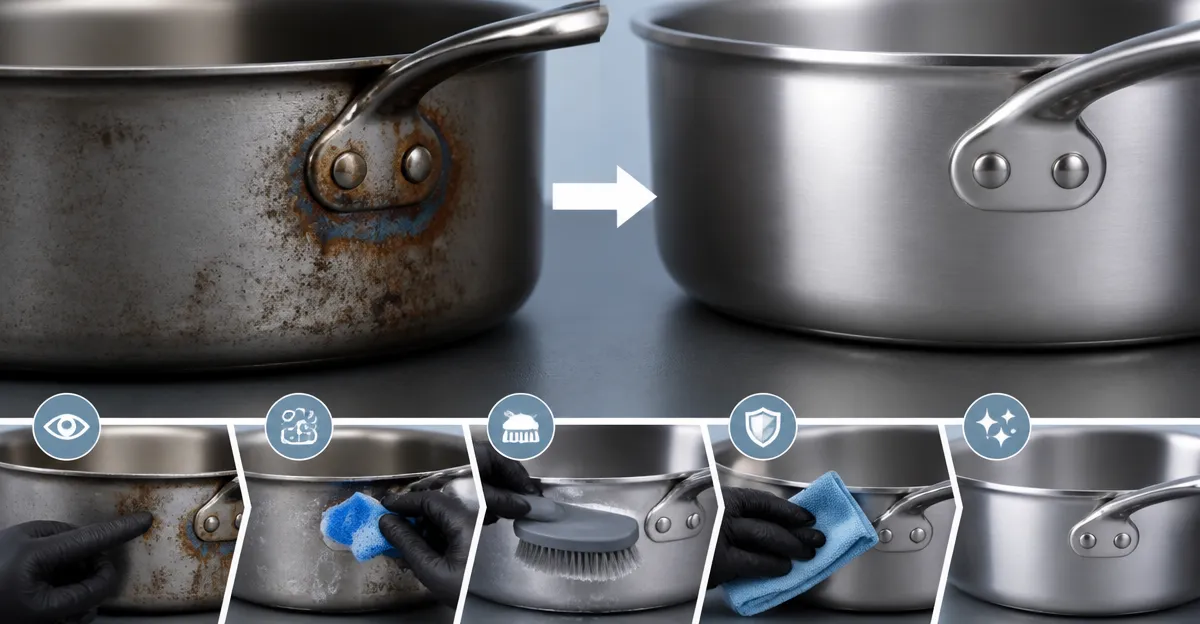
How to Prevent and Fix Galvanic Corrosion Between Titanium and Stainless Steel Cookware
Introduction
Galvanic corrosion occurs when two dissimilar metals, such as titanium and stainless steel, are placed in direct contact in the presence of an electrolyte like water or food residue. This electrochemical reaction can cause one metal to deteriorate faster, leading to pitting, discoloration, and reduced cooking performance. In this guide, the reader will learn how to identify the risk, apply preventive measures, and repair any damage that may have already occurred. Understanding these steps protects both the investment in premium cookware and the health of the meals prepared.
The information presented is practical, actionable, and supported by product recommendations that serve as tools rather than sales pitches. Whether one already owns titanium cookware or is considering a purchase, the techniques described will remain valuable.
What You'll Need
- Clean, dry cloths for wiping moisture.
- Non‑abrasive cleaning agents (mild dish soap or vinegar solution).
- Silicone or wooden utensils to avoid metal‑to‑metal contact.
- Barrier accessories such as pot protectors or silicone mats.
- One of the recommended titanium pans for demonstration and replacement if needed.
Step 1: Identify Titanium and Stainless Steel Items
The first step is to determine which pieces in the kitchen are constructed from titanium and which are stainless steel. Titanium pans often advertise PFAS‑free, non‑coating surfaces and a distinctive hammered finish. For example, the VocVoi Titanium 12" Frying Pan explicitly states that it is a pure titanium, no‑coating nonstick pan with a rating of 4.3/5 from 1,477 reviews and a price of $99.99. Stainless steel cookware, by contrast, will list a stainless‑steel composition and may include a magnetic base for induction.
Identifying the materials allows the cook to avoid stacking titanium directly on stainless steel, which is the most common catalyst for galvanic corrosion. Once identified, separate the items physically before proceeding to the next step.
Step 2: Create a Physical Barrier Between Dissimilar Metals
Direct contact between titanium and stainless steel creates an electrical pathway that accelerates corrosion. Using a non‑metallic barrier eliminates that pathway. The CAROTE 20‑Piece Titanium Cookware Set includes detachable handles and protective pot protectors specifically designed to nest cookware safely. The set is rated 4.6/5 from 423 reviews and costs $99.99. The protectors act as a thin silicone‑filled liner that prevents metal‑to‑metal contact while also saving up to 70% of storage space.
Place a protector or a silicone mat beneath any titanium pan when it is stored alongside stainless steel pots. If a protector is not available, a clean kitchen towel or a dedicated silicone baking mat can serve the same purpose.
Step 3: Use Non‑Metal Utensils and Avoid Abrasive Scrubbing
Metal utensils can unintentionally scrape the titanium surface, exposing fresh metal that is more susceptible to galvanic action. Silicone or wooden spatulas, ladles, and tongs are ideal because they do not conduct electricity and do not damage the non‑coating surface.
When cleaning, avoid steel wool or harsh scouring pads. Instead, use a soft sponge with mild dish soap. This practice preserves the integrity of the titanium’s natural oxide layer, which already provides a degree of corrosion resistance.
Step 4: Clean and Dry Thoroughly After Each Use
Moisture is the electrolyte that fuels galvanic corrosion. After cooking, rinse the pan with warm water, wash with a gentle detergent, and dry immediately with a lint‑free cloth. The Plateful Titanium 12" Pan with Lid is praised for its easy‑clean surface and dishwasher‑safe design, earning a 3.5/5 rating from 785 reviews at $149.99. While dishwasher use is acceptable, the pan should be placed on the top rack and the lid removed to ensure rapid drying.
For stovetop cleaning, a vinegar‑water solution (1 part white vinegar to 4 parts water) can dissolve mineral deposits without harming the titanium. Rinse thoroughly and dry.
Step 5: Season the Titanium Surface (Optional)
Although titanium is naturally non‑stick, a light seasoning can create an additional protective film. Heat the pan over medium heat, add a teaspoon of high‑smoke‑point oil (such as avocado oil), and swirl to coat the surface. Allow the oil to polymerize for five minutes, then wipe away excess with a paper towel. This step is optional but can be especially helpful for older pans that have developed micro‑scratches.
Step 6: Store in a Dry, Well‑Ventilated Area
Long‑term storage should keep titanium pans away from humidity. The Roomena Titanium 12" Fry Pan includes a stay‑cool handle and is rated 4.5/5 from 276 reviews at $119.99. Its lightweight design makes it easy to hang on a pot rack, which promotes air circulation and prevents moisture buildup.
If space is limited, stack the pan on top of a silicone mat or the CAROTE protectors mentioned earlier. Ensure that the lid is stored separately to avoid trapping steam.
Tips & Pro Tips
- Avoid high‑heat dry cooking. Heating an empty titanium pan can cause oxidation that weakens the surface, making it more vulnerable to galvanic interaction.
- Inspect for discoloration. Blue or rainbow hues indicate overheating; gently polish with a soft cloth to restore the original finish.
- Use a dedicated cutting board. Cutting acidic foods (tomatoes, citrus) directly on the pan can create localized corrosion. Transfer food to the pan after preparation.
- Consider a single‑metal cooking system. If galvanic issues persist, it may be simpler to keep all cookware of the same metal family for high‑intensity recipes.
Troubleshooting
Problem: Pitting or rust‑like spots appear on the titanium surface after several weeks.
Solution: Immediately clean with a vinegar‑water soak, dry thoroughly, and apply a thin layer of oil to reseal the surface. If the spots continue, evaluate whether the pan is consistently in contact with stainless steel; add an additional barrier.
Problem: Food sticks despite the non‑coating claim.
Solution: Preheat the pan properly (medium heat) and use a modest amount of oil. Titanium behaves more like stainless steel than Teflon, so proper technique is essential.
Conclusion
Galvanic corrosion between titanium and stainless steel cookware can be prevented by identifying materials, creating barriers, using non‑metal utensils, cleaning and drying promptly, optionally seasoning, and storing in a dry environment. When corrosion does appear, the troubleshooting steps outlined will restore performance. By following these practices, the reader protects both the longevity of premium titanium pans and the quality of their culinary creations.
Products Mentioned in This Guide
Frequently Asked Questions
What causes galvanic corrosion between titanium and stainless steel cookware?
It occurs when the two metals touch in the presence of an electrolyte like water or food residue, creating an electrochemical reaction that corrodes one metal.
How can I prevent galvanic corrosion when using titanium and stainless steel pots together?
Keep the metals dry, use silicone or wooden utensils, and avoid direct metal‑to‑metal contact by placing a barrier such as a cloth or silicone mat.
Is it safe to wash titanium and stainless steel cookware together in the dishwasher?
No; dishwasher detergents and moisture promote electrolyte formation, so hand‑wash them separately and dry immediately.
What simple cleaning solution can remove early signs of galvanic corrosion?
A mild dish‑soap or diluted white‑vinegar solution applied with a soft cloth can dissolve residues without damaging the metal surfaces.
Can I repair pitted areas caused by galvanic corrosion on my cookware?
Minor pits can be smoothed with a non‑abrasive polishing pad, but severe damage usually requires replacement to ensure food safety.