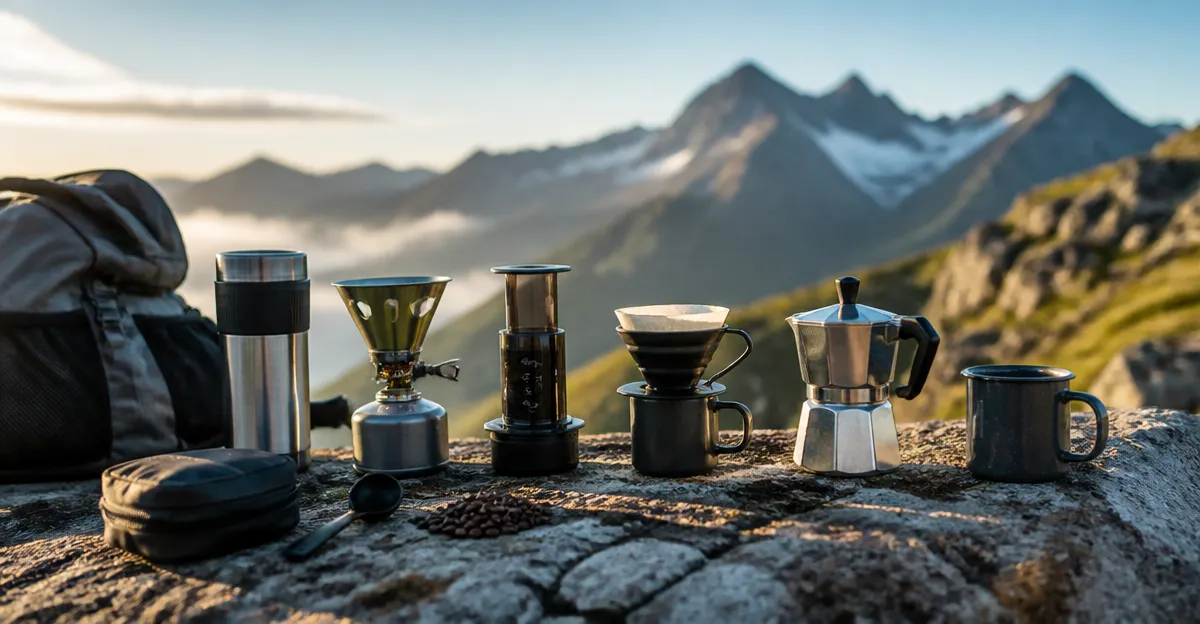
Ultralight Trail Coffee: The Complete Guide to Minimalist Brewing Techniques
Introduction
The modern hiker values speed, weight, and flavor when selecting a coffee solution for the trail. This guide explains the essential concepts of ultralight coffee preparation, evaluates three leading products, and provides actionable advice for every type of backpacker. Readers will learn how to balance brew quality with pack weight, how to select equipment that matches their adventure style, and how to maintain consistency in remote environments. By the end of the article, one will be equipped to brew a satisfying cup without compromising mileage.
Background and Context
Coffee brewing on the trail has evolved from simple instant powders to sophisticated pressure‑based systems that fit in a pocket. Understanding extraction, water temperature, and grind size is crucial because the thin mountain air alters boiling points and pressure dynamics. Traditional methods such as French press or pour‑over often require heavy kettles and multiple components, which conflict with ultralight philosophies. Consequently, manufacturers have engineered hybrid devices that combine several brewing principles into a single, lightweight unit.
Key Concepts and Strategies
Effective ultralight brewing rests on three pillars: equipment weight, brew time, and flavor control. Equipment weight includes the brewer, mug, and any ancillary filters; each gram saved translates to additional mileage. Brew time influences energy expenditure; a two‑minute extraction is ideal for maintaining body heat while minimizing fuel consumption. Flavor control involves grind size, water temperature, and pressure, all of which can be manipulated even with minimal gear.
Portable Pressure Brewing
Pressure brewing forces water through coffee grounds at a controlled rate, reducing bitterness and extracting nuanced flavors. The AeroPress Go exemplifies this approach by integrating a 3‑in‑1 French press, pour‑over, and espresso‑style system into a compact, microwave‑safe mug. Its patented air‑pressure and micro‑filtration technology achieve a full‑bodied cup in under two minutes, while the silicone‑sealed lid prevents spills during transport. With a rating of 4.7 out of 5 from 12,971 reviews and a price of $42.81, it offers a balance of performance and durability for serious hikers.
Instant Dark Roast Convenience
Instant coffee remains the lightest option because it eliminates the need for brewing equipment entirely. NESCAFÉ Clasico Instant Coffee Sticks deliver a dark‑roast profile in single‑serve packets, each containing 2 g of coffee. The sticks require only hot water, making them ideal for minimal‑gear treks where fuel conservation is paramount. At $17.55 for twelve boxes (84 sticks) and a rating of 4.6 from 2,778 reviewers, they provide consistent flavor with negligible weight.
Single‑Serve Pour‑Over Innovation
Pour‑over packets combine the convenience of instant coffee with the nuanced extraction of ground beans. Kuju Coffee Premium Pour Over Camping Singles use 100 % Arabica beans, are nitro‑flushed for freshness, and require only a mug and hot water. Each pouch produces a bold dark‑roast cup in 1–2 minutes without additional filters or a dedicated brewer. Although temporarily out of stock, the product holds a 4.5 rating from 358 reviews and is priced at $11.78, representing a compelling middle ground between instant and pressure brewing.
Comparison and Selection Guide
Choosing the right ultralight coffee solution depends on three primary criteria: weight tolerance, flavor ambition, and logistical simplicity. The table below summarizes the core attributes of each featured product.
| Product | Weight (approx.) | Prep Time | Flavor Control | Price | Rating |
|---|---|---|---|---|---|
| AeroPress Go | ~350 g (including mug) | 2 min | High – adjustable grind, temperature, pressure | $42.81 | 4.7/5 |
| NESCAFÉ Clasico Sticks | ~20 g for 84 sticks | 30 s | Low – pre‑ground instant | $17.55 | 4.6/5 |
| Kuju Coffee Singles | ~30 g for 6 packets | 1–2 min | Medium – pre‑measured grind, no pressure | $11.78 | 4.5/5 |
For hikers prioritizing the lightest possible load, instant sticks are the optimal choice. Those who desire a richer cup without sacrificing too much weight should consider the Kuju pour‑over singles. Adventurers seeking the full spectrum of coffee nuance and are willing to carry a slightly heavier system will benefit most from the AeroPress Go.
Best Practices & Tips
- Pre‑measure coffee and water ratios before departure to avoid guesswork at altitude.
- Use insulated mugs or thermoses to maintain water temperature; boiling point drops by approximately 1 °C for every 300 m of elevation.
- Carry a small, lightweight grinder if you prefer fresh grounds with the AeroPress Go; a manual ceramic grinder adds less than 100 g.
- Store instant sticks or pour‑over packets in a waterproof zip‑lock bag to protect against moisture.
- When using the AeroPress Go, experiment with the inverted method to increase extraction time without additional equipment.
Frequently Asked Questions
1. How does altitude affect coffee extraction?
At higher elevations, water boils at lower temperatures, which can result in under‑extraction and a sour taste. Compensate by extending brew time by 10–15 seconds or using a pressure‑based brewer like the AeroPress Go, which forces water through the grounds despite reduced temperature.
2. Can I reuse the AeroPress Go filter on the trail?
The AeroPress Go includes a reusable micro‑filter that can be rinsed with minimal water. For extended trips, carry a small bottle of clean water solely for filter rinsing to preserve flavor.
3. Are instant coffee sticks safe for the environment?
NESCAFÉ Clasico sticks are individually packaged in recyclable plastic; however, the cumulative waste can be significant on long expeditions. Consider consolidating used sticks in a reusable pouch for proper disposal at trailheads.
4. What is nitro‑flushed packaging?
Kuju Coffee singles are sealed in an oxygen‑free environment using nitrogen gas, which preserves aroma and prevents oxidation. This technology ensures each brew tastes as fresh as the day of production.
5. How many cups can I expect from a single AeroPress Go session?
The standard AeroPress Go capacity is one 8‑ounce cup per brew. For multi‑cup trips, repeat the brew cycle; the device is designed for rapid cleaning between uses.
Conclusion
Ultralight trail coffee is no longer a compromise between flavor and weight; modern products empower hikers to enjoy high‑quality caffeine with minimal baggage. By understanding extraction principles, evaluating equipment weight, and applying best‑practice tips, one can tailor a coffee strategy that aligns with personal goals. Whether the preference is instant convenience, pour‑over simplicity, or pressure‑driven complexity, the market now offers a solution for every minimalist adventurer.
Products Featured in This Guide
AeroPress Go
Price: $42.81 | Rating: 4.7/5 (12,971 reviews)
Featured for its patented 3‑in‑1 pressure brewing technology, rapid 2‑minute extraction, and customizable brew parameters, making it the premier choice for hikers who value flavor without excessive weight.
NESCAFÉ Clasico Instant Coffee Sticks
Price: $17.55 | Rating: 4.6/5 (2,778 reviews)
Featured for its ultra‑light weight, dark‑roast instant flavor, and simplicity of use—ideal for ultralight backpackers who prioritize speed and minimal gear.
Kuju Coffee Premium Pour Over Singles
Price: $11.78 | Rating: 4.5/5 (358 reviews)
Featured for delivering single‑serve, nitro‑flushed pour‑over coffee with a bold dark‑roast profile, offering a middle ground between instant convenience and full‑flavor extraction.