Introduction
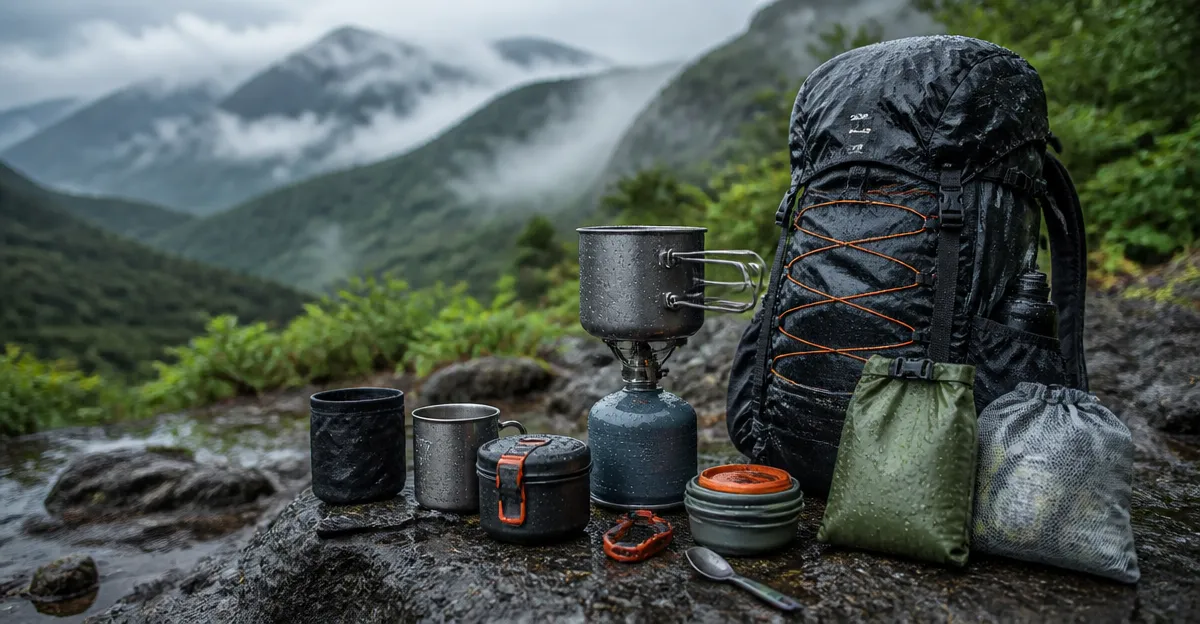
Backpacking in monsoon season presents a unique set of challenges that extend beyond navigation and shelter. One of the most critical yet often overlooked aspects is the cooking system, which must remain functional despite constant moisture and limited pack space. This guide explains how to assemble a rainproof, featherweight kitchen that delivers reliable performance from the first boil to the last bite. Readers will learn foundational concepts, product recommendations, a side‑by‑side comparison, and a comprehensive packing checklist.
Background and Context
Ultralight backpacking prioritises weight reduction without sacrificing safety or comfort, and cooking equipment is a major contributor to overall load. Traditional metal cookware can corrode, retain water, and add unnecessary bulk, whereas modern alloys and titanium offer superior strength‑to‑weight ratios. In a monsoon environment, water resistance, quick drying, and secure storage become equally important as weight. Understanding material science, heat‑transfer principles, and packing geometry equips the backpacker to make informed decisions.
Choosing Ultralight Cookware
When selecting cookware for wet conditions, the primary criteria are corrosion resistance, compactness, and ease of cleaning. Hard‑anodized aluminum provides a durable, non‑reactive surface while remaining lighter than stainless steel, making it an ideal choice for many hikers. Titanium, although more expensive, delivers the ultimate weight savings and natural corrosion resistance, which is valuable during prolonged exposure to humidity.
For a balanced solution, the THTYBROS Backpacking Cookware Kit combines aluminum pots with stainless‑steel utensils, delivering a versatile set that folds for compact storage. Its anti‑slip, anti‑heat handles protect the user’s hands, and the foldable design fits neatly into the included bag, reducing the chance of water accumulation. The kit includes a 0.33 gal pot, a 0.17 gal pan, a 0.08 gal SUS304 cup, and a full utensil set, covering most solo cooking scenarios.
For hikers who demand rapid boiling performance at altitude, the Odoland Heat‑Exchanger Camping Cookset integrates a 1300 W stove with heat‑exchange technology that increases efficiency by approximately 30 percent. The set includes two aluminum pots, a stabilizer, and a BPA‑free mug, all nesting within a mesh bag that shields components from rain. The heat‑exchanger design maximises wind resistance, a crucial feature when monsoon gusts threaten flame stability.
For the ultimate featherweight approach, the TOAKS Titanium 750 ml Pot weighs only 3.3 oz (93 g) without the lid and offers a detachable bail for open‑flame hanging. Its pure titanium construction resists corrosion, and the internal gradation marks allow precise water measurement without additional tools. Although it lacks a full utensil set, the pot’s versatility makes it a cornerstone of any ultralight monsoon kitchen.
Rainproof Packing Strategies
Even the most robust cookware can become a liability if it absorbs water during transit. The first line of defense is a waterproof dry sack or zip‑lock bag that isolates the entire cooking system from external moisture. When possible, place the dry sack inside a larger pack‑on‑pack rain cover to provide a double barrier.
Second, arrange components so that the heaviest items sit at the bottom of the bag, creating a stable center of gravity and preventing the cookware from shifting during steep descents. The foldable handles of the THTYBROS kit allow the pots to lie flat against the bag wall, minimizing void space where water could pool. The Odoland set’s mesh bag includes a drainage pocket that can be opened to expel trapped rain before the next use.
Third, employ silicone‑based spray lubricants on metal surfaces to create a thin hydrophobic layer that repels water droplets. This technique is especially useful for the interior of aluminum pots, which can otherwise retain moisture and develop oxidation over time. After each outing, wipe all surfaces with a quick‑dry microfiber cloth to prevent lingering dampness.
Smart Organization and Weight Management
Weight distribution is a critical factor in long‑duration monsoon treks, where every gram contributes to fatigue. Grouping compatible items into nested clusters reduces overall volume and simplifies retrieval. For example, the TOAKS pot nests comfortably alongside a 110 g isobutane canister and a compact TOAKS cup, creating a single “cooking module” that slides into a side pocket.
When using the Odoland cookset, the included mesh bag serves as a dedicated cooking compartment, keeping the stove, pots, and utensils together. This reduces the need for separate protective sleeves and eliminates the risk of losing small parts during heavy rain. The THTYBROS kit already provides a dedicated storage bag, which can be sealed with a rubber band to keep water out.
Finally, consider the trade‑off between redundancy and safety. Carrying a single lightweight pot such as the TOAKS 750 ml model saves weight, but having a backup utensil set from the THTYBROS kit can prevent a meal‑time crisis if a spoon breaks. Evaluate personal risk tolerance and adjust the packing list accordingly.
Comparison and Selection Guide
| Feature | THTYBROS Kit | Odoland Cookset | TOAKS Pot |
|---|---|---|---|
| Material | Hard‑anodized aluminum & stainless steel | Precision aluminum | Pure titanium (uncoated) |
| Total Weight (incl. accessories) | ~1.2 lb (approx.) | 1.5 lb (660 g) | 3.3 oz (93 g) pot only |
| Included Stove | No | 1300 W heat‑exchanger stove | No |
| Rain Protection | Foldable bag with sealed closure | Mesh bag with drainage pocket | Requires separate dry sack |
| Price (USD) | Not listed | Not listed | 214.68 |
| Best For | Solo hikers needing a full utensil set | Backpackers who prioritize rapid boiling and wind resistance | Ultralight purists seeking minimal weight |
Best Practices & Tips
- Always test the stove and pot assembly at home before the trip; verify that the anti‑heat handles remain cool during prolonged heating.
- Carry a small silicone sponge and biodegradable soap to clean pots quickly, then dry them with a microfiber cloth before repacking.
- Use a lightweight, waterproof tarp inside the cooking area to shield the gear from direct rain while maintaining airflow.
- When cooking over open flame, hang the TOAKS pot from its bail to keep the base free of ash and to reduce heat loss.
- Label each component with a waterproof marker; this prevents misplacement when the bag is opened in a downpour.
Frequently Asked Questions
- Can I use the THTYBROS aluminum pots on a campfire?
- Yes, the hard‑anodized surface tolerates open flames, but it is advisable to use a fire ring to protect the pot’s bottom from direct embers.
- How does the heat‑exchanger in the Odoland stove improve efficiency?
- The heat‑exchanger transfers thermal energy from the flame to the surrounding air, creating a hotter, more consistent cooking zone that reduces boil time by roughly 30 percent.
- Is the TOAKS pot compatible with induction cooktops?
- No, pure titanium does not generate a magnetic field, therefore it is unsuitable for induction surfaces.
- What is the best way to keep titanium cookware from denting?
- Store the pot inside a soft‑sided pouch and avoid placing heavy items on top of it while the pack is in transit.
- Do any of these kits include a windscreen for the stove?
- The Odoland set includes a built‑in wind‑resistant design, but it does not ship with a separate windscreen. Users may add a lightweight, collapsible windscreen for additional protection.
Conclusion
Constructing a rainproof, ultralight backpacking kitchen requires a balance of material knowledge, smart packing, and reliable equipment. By selecting a cookware system that aligns with personal weight limits and cooking preferences, hikers can maintain nutrition and morale even in the harshest monsoon conditions. The products highlighted in this guide—THTYBROS Backpacking Cookware Kit, Odoland Heat‑Exchanger Cookset, and TOAKS Titanium 750 ml Pot—represent the spectrum of options from full‑featured kits to minimalist pots. Applying the best‑practice checklist ensures that the kitchen remains dry, functional, and ready for any trail.
Products Featured in This Guide
THTYBROS Backpacking Cookware Kit
Price: Not listed
Rating: Not available
Why featured: Provides a comprehensive, foldable aluminum and stainless‑steel set that balances weight, durability, and rain‑proof storage for solo hikers.
Odoland Heat‑Exchanger Camping Cookset
Price: Not listed
Rating: Not available
Why featured: Integrates a high‑efficiency stove with heat‑exchange technology, offering rapid boiling and wind resistance essential for monsoon conditions.
TOAKS Titanium 750 ml Pot
Price: $214.68
Rating: Not available
Why featured: Represents the pinnacle of ultralight titanium construction, offering corrosion resistance, detachable bail, and precise measurement for minimalist hikers.