
Adaptive Ultralight Kitchen for Limited‑Mobility Hikers: A Step‑by‑Step Guide to Accessible, Lightweight Backcountry Cooking
Introduction
Backcountry cooking can be a rewarding experience, yet hikers with limited mobility often face unique challenges when selecting equipment that is both lightweight and easy to manipulate. This guide explains how to design an adaptive ultralight kitchen that reduces strain, maximizes efficiency, and maintains safety in remote environments. Readers will learn foundational concepts, product recommendations, a comparison framework, practical tips, and answers to common questions. By the end of the article, hikers will possess a clear plan for assembling a kitchen that supports independence on the trail.
Background and Context
Limited‑mobility hikers typically require gear that minimizes bulk, weight, and the number of moving parts, while providing ergonomic handles and stable cooking surfaces. Titanium and aluminum are the preferred materials because they combine high strength‑to‑weight ratios with corrosion resistance, essential for varied weather conditions. Understanding heat‑exchange efficiency, fuel compatibility, and pack‑size nesting helps hikers avoid unnecessary weight and reduces the need for frequent adjustments while cooking.
In addition to material selection, the concept of “modular nesting” allows multiple items to fit inside one another, creating a compact stack that can be carried in a single compartment. This reduces the number of separate containers a hiker must manage, thereby decreasing the risk of drops or spills. Finally, safety considerations such as wind protection, stable base design, and easy‑to‑ignite fuel systems are critical for hikers who may have reduced balance or strength.
Core Components of an Adaptive Ultralight Kitchen
1. Ultralight Frying Pan
The Boundless Voyage Titanium Frying Pan offers a foldable handle, anti‑fingerprint surface, and a weight of only 65 g for the 128 mm model. Its 0.4 mm titanium thickness provides durability while remaining feather‑light, and the included mesh storage bag simplifies transport. The pan’s rating of 4.2 stars from 59 reviews indicates reliable performance for outdoor cooking tasks such as searing steak or frying eggs.
Because the handle folds flat against the pan, it can be stored inside a larger pot or nested within a backpack without adding bulk. The anti‑fingerprint coating reduces the need for frequent cleaning, an advantage for hikers who have limited dexterity. The pan’s versatility makes it suitable for both campsite meals and quick roadside cooking.
2. Compact Pot for Boiling and Rehydration
The TOAKS Titanium 750ml Pot weighs 86 g (103 g with lid) and features internal measurement marks, foldable handles, and a snug lid that doubles as a frying surface. Its 750 ml capacity is ideal for boiling water, rehydrating meals, or cooking soups, and the pot nests neatly around the Boundless Voyage pan, creating a single, compact unit.
With a 4.9‑star rating from over 3,100 reviewers, the pot is praised for its durability and ease of use. The pure, uncoated titanium construction resists warping and corrosion, ensuring long‑term reliability even after repeated exposure to high heat and moisture.
3. Integrated Stove System
The Fire‑Maple Fixed Star 1 Stove combines a 1‑liter hard‑anodized aluminum pot with a high‑efficiency heat‑exchange burner and a piezoelectric ignitor. Weighing 18 oz, the system is compact enough to fit within the same backpack compartment as the pan and pot, yet powerful enough to bring water to a boil in under three minutes under calm conditions.
Its wind‑screen‑compatible design and stainless‑steel locking handle provide stability for hikers who may have limited grip strength. The stove’s 4.5‑star rating from 3,463 reviews confirms consistent performance across a range of altitudes and weather scenarios.
4. Ultra‑Light Backup Stove
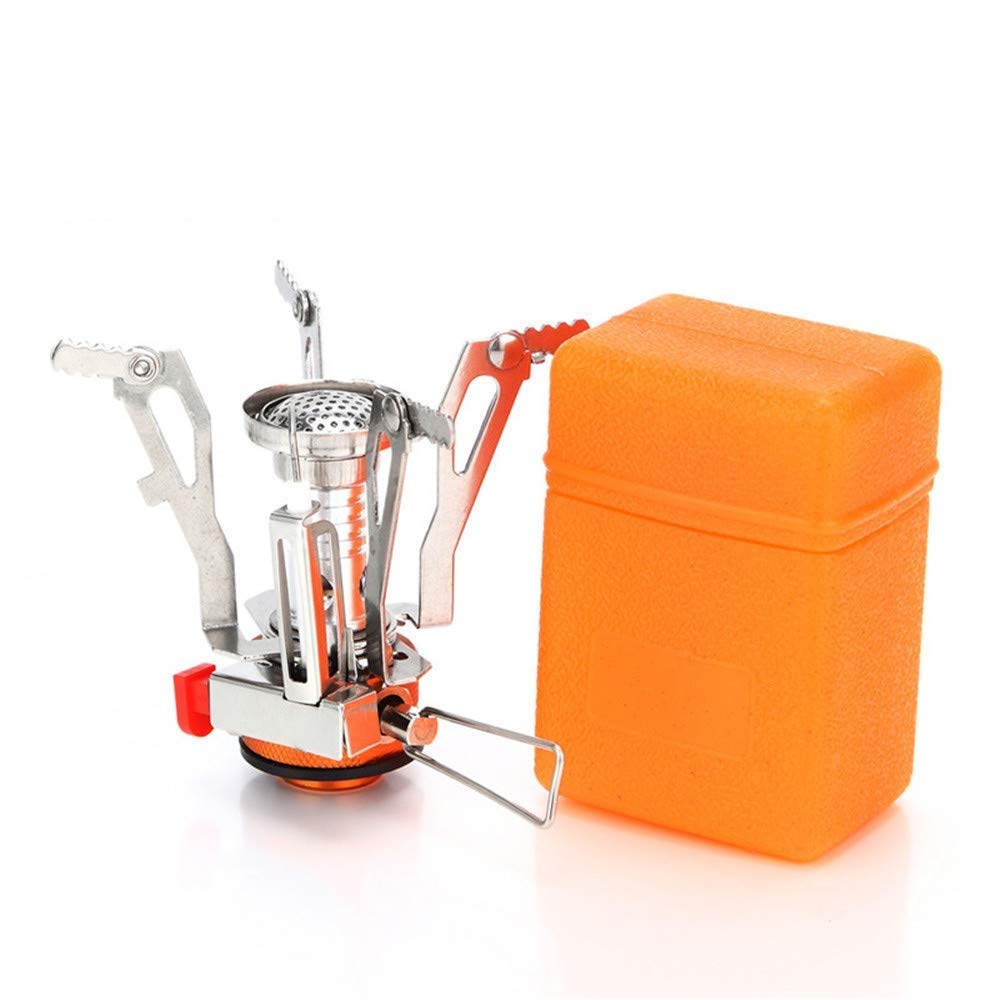
The AOTU Portable Camping Stove serves as a lightweight backup, weighing only 110 g and delivering 3000 W of heat. Its aluminum alloy burner base and honeycomb wind‑proof net improve combustion efficiency, while the adjustable flame control allows rapid transitions from simmer to full boil.
With a 4.6‑star rating from 6,497 reviewers, the AOTU stove is praised for its durability and ease of assembly, making it an excellent secondary option for hikers who need redundancy without adding significant weight.
Comparison and Selection Guide
Choosing the right combination of cookware and stove depends on three primary factors: weight tolerance, cooking style, and mobility constraints. The table below summarizes the key specifications of each product, allowing hikers to match gear to personal requirements.
| Component | Weight (g) | Capacity | Material | Key Feature | Rating |
|---|---|---|---|---|---|
| Boundless Voyage Titanium Frying Pan | 65 | 128 mm diameter | Titanium (99.8%) | Foldable handle, anti‑fingerprint surface | 4.2/5 (59) |
| TOAKS Titanium 750ml Pot | 86 (103 with lid) | 750 ml | Titanium (pure) | Internal measurement marks, foldable handles | 4.9/5 (3,137) |
| Fire‑Maple Fixed Star 1 Stove | 510 (18 oz) | 1 L pot + burner | Hard‑anodized aluminum | Integrated pot‑burner, piezo ignitor | 4.5/5 (3,463) |
| AOTU Portable Camping Stove | 110 | 9.5 × 9.5 cm burner | Aluminum alloy | Adjustable flame, wind‑proof net | 4.6/5 (6,497) |
For hikers whose maximum daily load is under 500 g, the combination of the Boundless Voyage pan, TOAKS pot, and AOTU stove stays well within the limit while providing full cooking capability. If a hiker prefers a single‑unit system with a built‑in ignitor, the Fire‑Maple Fixed Star 1 offers convenience at a modest weight increase.
Best Practices & Tips for Accessible Backcountry Cooking
- Pre‑measure ingredients at home and store them in resealable pouches to reduce handling time on the trail.
- Use a lightweight windscreen (e.g., a compact Mylar shield) with any stove to improve fuel efficiency and reduce the need for high‑heat adjustments.
- Practice folding and unfolding the pan handle and stove ignitor before the trip to build muscle memory and confidence.
- Keep a small, soft‑grip silicone sleeve on the pot lid to protect hands when removing hot water.
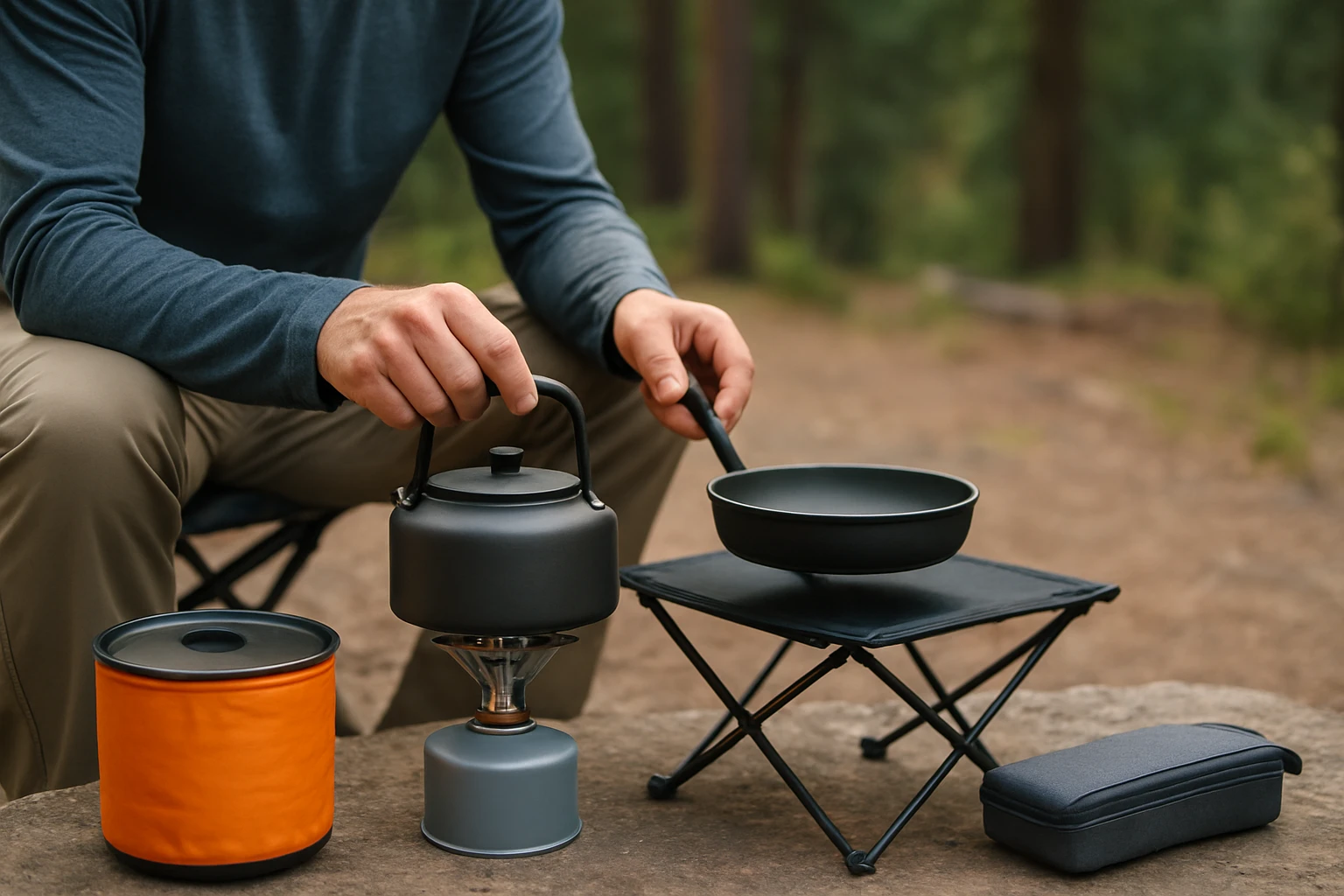
- Arrange gear in a “nested” configuration: place the folded pan inside the TOAKS pot, then position the pot within the stove’s fuel canister holder, and finally store the entire stack in a side pocket for quick access.
Frequently Asked Questions
1. Is titanium safe for cooking acidic foods?
Yes, pure titanium is non‑reactive and does not leach metals into acidic dishes such as tomato sauces or citrus‑based marinades.
2. How do I clean the anti‑fingerprint coating on the Boundless Voyage pan?
A gentle wipe with a damp cloth after each use is sufficient; avoid abrasive sponges that could damage the coating.
3. Can the Fire‑Maple stove use standard 230 g fuel canisters?
It is compatible with most 230 g canisters except Coleman models; verify the thread size (usually 7/16) before purchase.
4. What is the best way to transport the AOTU stove to prevent damage?
Place the stove in its original plastic box or a padded pouch, and store it upright to protect the burner base from impacts.
5. How can I reduce the risk of burns when handling hot cookware?
Use heat‑resistant gloves or silicone mitts, and always keep a stable, flat surface (such as a fold‑out camp table) when cooking.
6. Is it necessary to carry a separate windscreen for the Fire‑Maple stove?
While the stove performs well in calm conditions, a compact windscreen improves fuel efficiency by up to 30 % in breezy environments, which is valuable for limited‑mobility hikers who may need to conserve energy.
Conclusion
Designing an adaptive ultralight kitchen requires careful selection of materials, ergonomic features, and modular nesting strategies. By integrating the Boundless Voyage Titanium Frying Pan, TOAKS Titanium 750ml Pot, Fire‑Maple Fixed Star 1 Stove, and AOTU Portable Camping Stove, hikers can achieve a balanced system that minimizes weight, maximizes ease of use, and maintains safety. The comparison guide and best‑practice tips empower hikers to tailor their setup to personal mobility constraints, ensuring that backcountry cooking remains an enjoyable and accessible part of the outdoor experience.
Products Featured in This Guide
Boundless Voyage Titanium Frying Pan
Price: $18.99 | Rating: 4.2/5 (59 reviews)
Featured for its foldable handle, ultra‑light titanium construction, and anti‑fingerprint surface, making it ideal for hikers with limited grip strength.
TOAKS Titanium 750ml Pot
Price: $26.00 | Rating: 4.9/5 (3,137 reviews)
Featured for its pure titanium durability, internal measurement marks, and ability to nest around the frying pan, reducing pack volume.
Fire-Maple Fixed Star 1 Stove
Price: $49.95 | Rating: 4.5/5 (3,463 reviews)
Featured for its integrated pot‑burner design, piezo ignitor, and wind‑screen compatibility, providing efficient cooking for limited‑mobility users.
AOTU Portable Camping Stove
Price: $11.99 | Rating: 4.6/5 (6,497 reviews)
Featured as a lightweight backup stove with adjustable flame control and wind‑proof net, offering redundancy without compromising weight.