How to Conduct a Packability Test Protocol for an Ultralight Backpacking Kitchen — Step‑by‑Step Guide
Introduction
One will learn how to systematically evaluate the packability of an ultralight backpacking kitchen. The protocol emphasizes objective measurement, repeatability, and real‑world relevance. By following this guide, one can identify excess bulk, weight imbalances, and potential failure points before embarking on a multi‑day trek. The knowledge gained will translate into safer, more efficient adventures and better gear selection.
What You’ll Need
- Scale capable of measuring to the nearest gram (e.g., digital luggage scale).
- Standard 65‑Litre backpack or a comparable ultralight pack.
- Measuring tape or ruler for dimension checks.
- Notebook or digital device for recording data.
- Optional: Stanley Camp Kitchen Cook Set for a complete kitchen test.
Step 1: Define Test Parameters
One should begin by establishing clear criteria for packability. Typical parameters include total weight, packed volume (length, width, height), weight distribution within the pack, and ease of access. Write each parameter in a table format to ensure consistent data capture across multiple trials. This baseline will allow comparison between different kitchen configurations or product iterations.
Step 2: Prepare the Kitchen Components
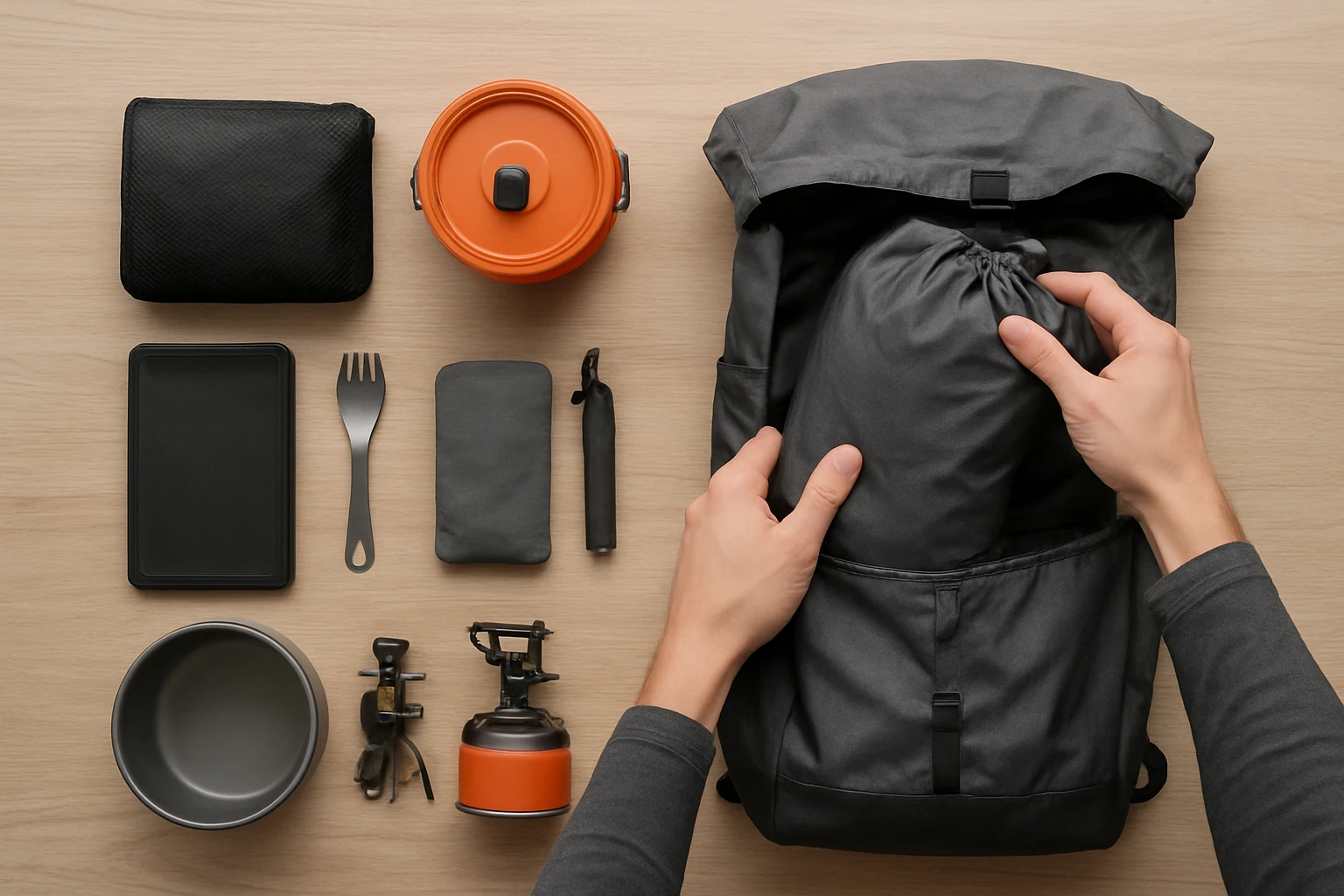
Gather all cooking vessels, utensils, plates, bowls, and ancillary items that will be used on the trail. If one possesses a comprehensive set such as the Stanley Camp Kitchen Cook Set, include every piece to simulate a worst‑case packing scenario. The set features a 4‑quart pot, 8‑inch fry pan, four table settings, and a dual‑ended utensil kit, all constructed from 18/8 stainless steel, which adds realistic weight and durability to the test.
Record the individual weight of each component using the scale, then sum the values to obtain the total kitchen weight. Note that the Stanley set retails for $89.99 and holds a 4.8/5.0 rating from 198 reviews, indicating high user satisfaction and robust construction.
Step 3: Measure Unpacked Dimensions
Using the measuring tape, determine the length, width, and height of each item when fully assembled. For nested items, such as the pot and pan of the Stanley set, measure the combined stacked height, as this represents the actual space required in the pack. Document the dimensions in a spreadsheet to calculate the theoretical packed volume.
Calculate the theoretical volume by multiplying length, width, and height for each item, then sum the results. This figure provides an initial estimate that can be compared against the actual packed volume measured in the next step.
Step 4: Pack the Kitchen Inside the Backpack
One should place the kitchen components inside the chosen backpack following the manufacturer’s recommended arrangement, if available. For the Stanley set, utilize the clever nesting design: the pot nests inside the pan, and the plate stack fits around the handles. Position heavier items close to the spine and lower portion of the pack to improve balance.
After packing, close the pack and ensure that all zippers seal without excessive strain. This step mimics real‑world loading conditions and reveals any ergonomic issues that may arise during long hikes.
Step 5: Measure Packed Volume and Weight Distribution
With the pack sealed, measure its external dimensions using the tape measure. Multiply the three measurements to obtain the actual packed volume. Compare this value with the theoretical volume calculated in Step 3; a small discrepancy indicates efficient nesting, while a large gap suggests wasted space.
To assess weight distribution, lift the backpack from the shoulder straps and from the waist belt separately. Record the perceived shift in balance and note any discomfort. If the pack feels rear‑heavy, consider repositioning the pot or adding a lightweight filler such as a compression sack.
Step 6: Conduct a Simulated Load Test
Secure the packed backpack onto a sturdy surface and apply a static load equivalent to a full day of gear (approximately 10 kg). Observe whether the kitchen components shift or compress the pack walls. This simulated load test highlights potential movement that could cause rattling or damage during actual use.
For the Stanley set, the ultra‑durable stainless steel construction should resist deformation, but the plastic utensil handles may flex. Verify that all items remain securely nested and that the pack maintains its shape.
Step 7: Document Findings and Iterate
One must record all measurements, observations, and subjective impressions in the notebook or digital device. Create a summary table that includes total weight, packed volume, weight distribution rating (e.g., balanced, rear‑heavy, front‑heavy), and any issues noted during the load test.
Based on the findings, adjust the packing arrangement, replace bulky items with lighter alternatives, or consider a different kitchen system. Re‑run the relevant steps to verify improvements, thereby establishing a repeatable optimization loop.
Tips & Pro Tips
- Use silicone handle covers on the Stanley pot and pan to prevent heat transfer to the pack during cooking.
- Compress soft items such as towels around the kitchen gear to fill gaps and maintain balance.
- Label each component with a small waterproof tag to expedite repacking after a meal.
- When possible, select cookware with foldable or detachable handles to further reduce bulk.
- Perform the packability test in a controlled indoor environment before heading to the trail to avoid weather‑related variables.
Troubleshooting
Problem: The pack feels excessively front‑heavy after loading the kitchen.
Solution: Relocate the heaviest items (pot and pan) closer to the spine and lower section of the pack. Add a lightweight filler such as a dry‑sack of clothing to shift the center of gravity rearward.
Problem: The cookware rattles during movement.
Solution: Wrap each piece in a thin cloth or use a dedicated kitchen sleeve. The Stanley set includes a removable trivet that can double as a protective barrier.
Conclusion
One has now mastered a systematic protocol for testing the packability of an ultralight backpacking kitchen. By defining clear parameters, measuring both unpacked and packed dimensions, and evaluating weight distribution, one can make data‑driven decisions that enhance comfort and safety on the trail. The inclusion of a robust product such as the Stanley Camp Kitchen Cook Set demonstrates how thoughtful design can simplify the testing process while providing reliable performance. Armed with this knowledge, one can confidently select, pack, and use a kitchen system that meets the demands of any ultralight adventure.
Products Mentioned in This Guide
Frequently Asked Questions
What equipment is required to perform a packability test for an ultralight backpacking kitchen?
You need a gram‑accurate scale, a 65‑L backpack or similar, a measuring tape, and a notebook or digital device for data.
How do I define test parameters for a packability assessment?
Set clear criteria such as maximum weight, volume limits, balance distribution, and acceptable bulk for each kitchen component.
What is the best way to measure the weight of individual kitchen items?
Weigh each item on the digital scale, recording the weight to the nearest gram before placing it in the pack.
How can I evaluate the bulk and dimensions of my backpacking kitchen?
Use a measuring tape to record the length, width, and height of the packed kit, then compare it to your backpack’s internal dimensions.
Why is repeatability important in a packability test?
Repeating the test ensures consistent results, helping you identify true inefficiencies rather than one‑off variations.