Introduction
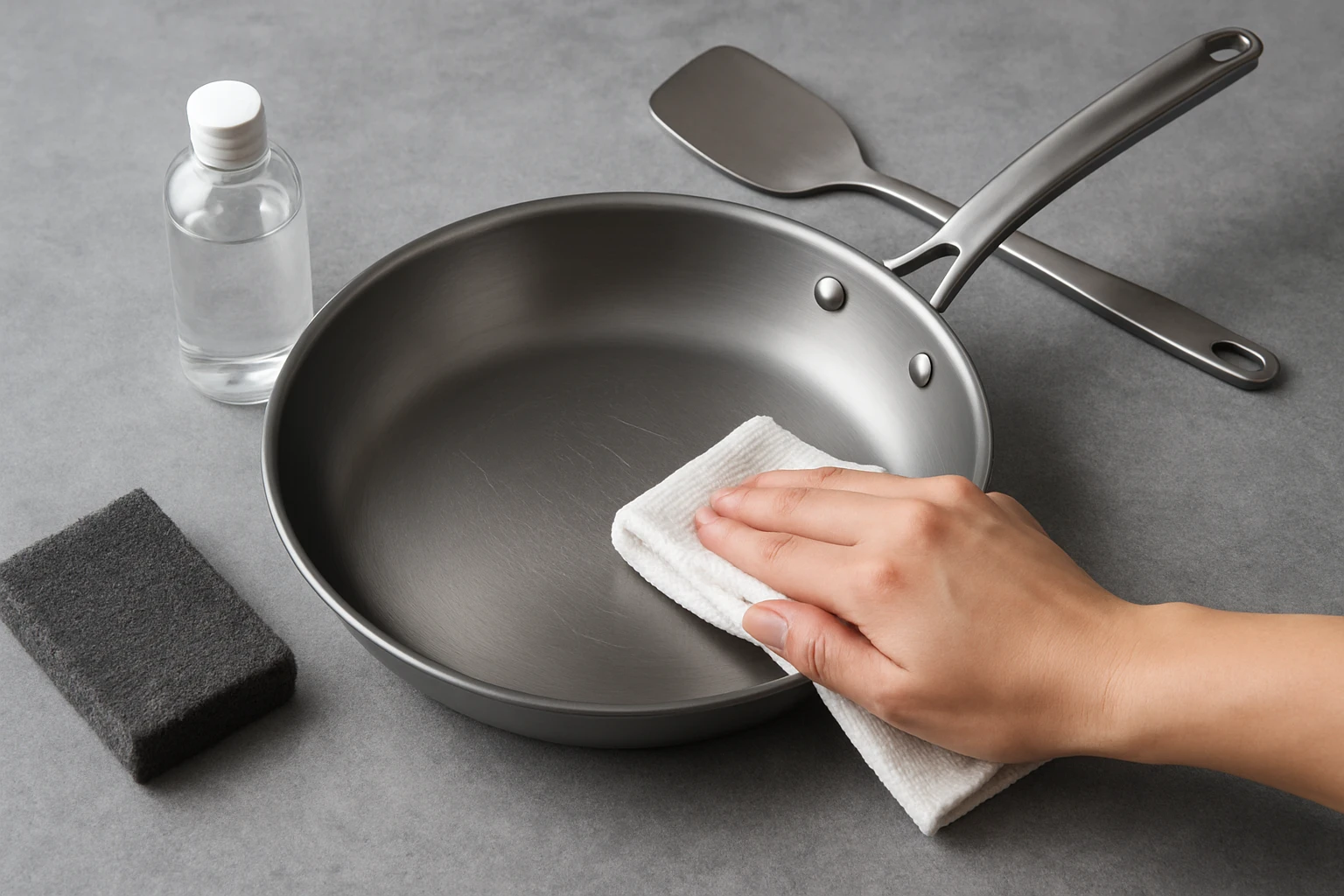
Titanium cookware offers exceptional durability, heat distribution, and a non‑reactive cooking surface. However, even the toughest alloy can develop scratches or lose its natural sheen if it is not cared for correctly. This guide explains how to clean, season, store, and protect titanium pans so that they remain reliable tools for everyday meals and special occasions. By following the steps below, one will extend the lifespan of the cookware while preserving its performance and aesthetic appeal.
What You'll Need
- A high‑quality titanium pan set such as LemonRoad Titanium Pan Set
- Soft‑sponged cleaning cloths or non‑abrasive scrubbers
- Gentle dish soap
- Food‑grade oil for seasoning (e.g., grapeseed or avocado oil)
- Heat‑resistant silicone scraper like Kohler Silicone Dish Scraper
- Heavy‑duty cleaner for stubborn residue such as KunMan Pot & Pan Cleaner
Step 1: Clean Immediately After Each Use
After cooking, allow the pan to cool for a few minutes, then rinse with warm water. Use a soft sponge and a drop of mild dish soap to remove food particles without scratching the hammered surface. The non‑reactive titanium does not require harsh chemicals; regular cleaning prevents buildup that can cause discoloration.
For those who prefer a non‑stick interior, the Sur La Table Nonstick Cookware Set demonstrates how a ceramic coating can be maintained with the same gentle approach. Its ceramic interior is safe for silicone tools, and the set’s high rating (4.2/5 from 708 reviews) confirms that users achieve lasting performance when they avoid abrasive pads.
Why this matters: Immediate cleaning removes acidic residues that could etch the metal over time, and it reduces the need for deep‑cleaning agents that might wear the surface.
Step 2: Season the Titanium Surface
Seasoning creates a thin polymerized layer that further reduces food adhesion. Apply a thin coat of high‑smoke‑point oil to the interior of the pan while it is still warm. Heat the pan on medium for three to five minutes, then allow it to cool. Wipe away excess oil with a clean cloth.
The LemonRoad Titanium Pan Set includes three sizes (10.23", 11.02", 11.81") and features a hammered surface that naturally releases food residue. Its triple‑layer heating technology ensures even temperature, which helps the oil polymerize uniformly. Priced at $129.99 with a 4/5 rating from eight reviews, this set provides a reliable base for seasoning.
Seasoning not only improves non‑stick performance but also adds a protective barrier that mitigates minor scratches from occasional metal utensils.
Step 3: Use Appropriate Utensils
Metal spatulas can abrade the hammered texture, especially when the pan is hot. Opt for silicone, wood, or nylon tools. The Kohler Silicone Dish Scraper offers a hard nylon edge for tough residue and a soft silicone edge that is safe for non‑stick surfaces. With a rating of 4.7/5 from over 3,000 reviews and a price of $6.90, it is an economical choice for daily use.
When a utensil does leave a faint mark, gentle polishing with a soft cloth restores the original finish without harming the titanium alloy.
Why this matters: Using the correct utensils eliminates the primary source of surface scratches, preserving both appearance and cooking performance.
Step 4: Store Properly to Avoid Contact Damage
Stacking heavy pots on top of titanium pans can cause dents. Store each pan separately on a rack or use protective liners. The CAROTE Titanium Cookware Set features a nestable design that saves up to 70% of cabinet space, making it ideal for compact kitchens. Its detachable handles also allow the pans to be stored flat, reducing the risk of edge‑to‑edge contact.
With a price of $99.99 and a 4.6/5 rating from 60 reviews, the CAROTE set demonstrates how thoughtful design can simplify storage while protecting the cookware.
Proper storage also prevents accidental exposure to moisture that could promote rust on any ancillary metal components, such as lids.
Step 5: Deep Clean Stubborn Burnt‑On Residue
If food has caramelized onto the pan, fill the pan with warm water and a few drops of dish soap, then simmer for five minutes. This loosens the residue without abrasive action. For persistent carbon buildup, apply a small amount of the KunMan Pot & Pan Cleaner. The liquid degreaser breaks down burnt grease, while the included diamond‑coated scouring pad removes the residue without scratching the titanium surface.
Although the product has a low rating (1.5/5 from four reviews), it can be effective when used sparingly and followed by a thorough rinse. Always test on a small, inconspicuous area first.
After cleaning, dry the pan immediately with a soft towel to prevent water spots and to maintain the pan’s natural shine.
Tips & Pro Tips
- Never use bleach or acidic cleaners; they can compromise the non‑reactive surface.
- Avoid sudden temperature changes; placing a hot pan under cold water can cause warping.
- For extra shine, polish the exterior with a small amount of mineral oil after cleaning.
- When cooking acidic foods (tomatoes, citrus), keep the cooking time short to prevent slight discoloration, which is a natural characteristic of titanium.
- Rotate the use of different sized pans to distribute wear evenly across the collection.
Troubleshooting
Problem: Food sticks despite seasoning.
Solution: Re‑season the pan using a higher smoke‑point oil and ensure the surface is completely dry before applying oil. Increase the heating time by a minute to allow the polymerized layer to form properly.
Problem: Visible scratches after using metal utensils.
Solution: Lightly buff the scratched area with a non‑abrasive polishing pad and avoid metal tools in the future. Consider using the silicone edge of the Kohler Silicone Dish Scraper for any remaining residue.
Conclusion
Maintaining titanium cookware requires consistent cleaning, proper seasoning, the use of gentle utensils, thoughtful storage, and occasional deep cleaning for stubborn stains. By integrating the recommended tools—such as the LemonRoad Titanium Pan Set, Kohler Silicone Dish Scraper, and KunMan Cleaner—one can preserve the cookware's performance and appearance for many years. Implement these practices, and the titanium pans will continue to deliver even heating, effortless food release, and a professional look in every kitchen.
Products Mentioned in This Guide
Frequently Asked Questions
How often should I clean my titanium pan?
Clean the pan after each use with warm water, a soft sponge, and a mild dish soap to prevent residue buildup.
Can I use abrasive cleaners or steel wool on titanium cookware?
No—use only non‑abrasive sponges or scrubbers to avoid scratching the surface.
What is the best way to season a titanium pan?
Heat the pan lightly, apply a thin layer of food‑grade oil (e.g., grapeseed), and wipe off excess after it cools.
How should I store titanium cookware to prevent scratches?
Stack pans with a soft cloth or silicone liner between them, or hang them individually.
Is it safe to use metal utensils on titanium pans?
While titanium is durable, using silicone or wooden utensils reduces the risk of surface marks.