
Introduction
One will discover how to keep a compact stove operating reliably throughout long expeditions. The guide explains essential inspection, cleaning, and storage procedures. It also highlights tools that simplify each task while preserving performance. By following the checklist, one reduces the risk of fuel leaks, uneven heating, and unexpected breakdowns.
What You’ll Need
- Coleman Triton 2-Burner Propane Stove – $107.97, 4.7/5 rating, portable with wind guards and heavy‑duty latch.
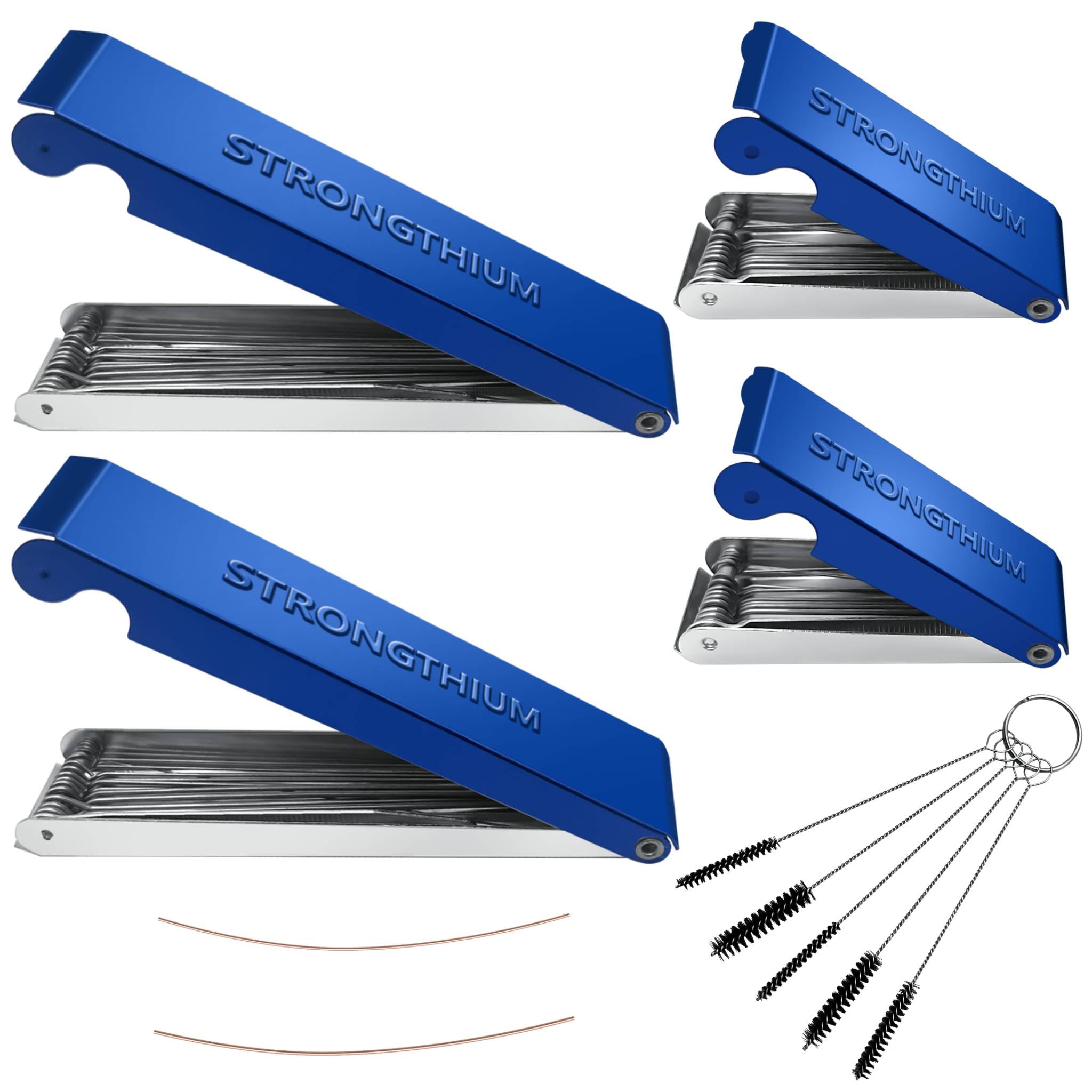
- Strongthium Welding Torch Tip Cleaner Kit – $8.99, 4.5/5 rating, includes nylon brushes and multiple‑diameter cleaning wires.
- Adjustable wrench, mild dish soap, soft‑bristle brush, lint‑free cloth, and a small screwdriver.
Step 1: Perform a Visual Inspection
One should begin by examining the stove exterior for dents, rust, or loose components. Look closely at the burners, wind guards, and latch mechanism. Verify that the propane regulator and hose are free of cracks or abrasions. Any damage identified at this stage should be addressed before proceeding to fuel connection.
Step 2: Clean the Burners and Grates
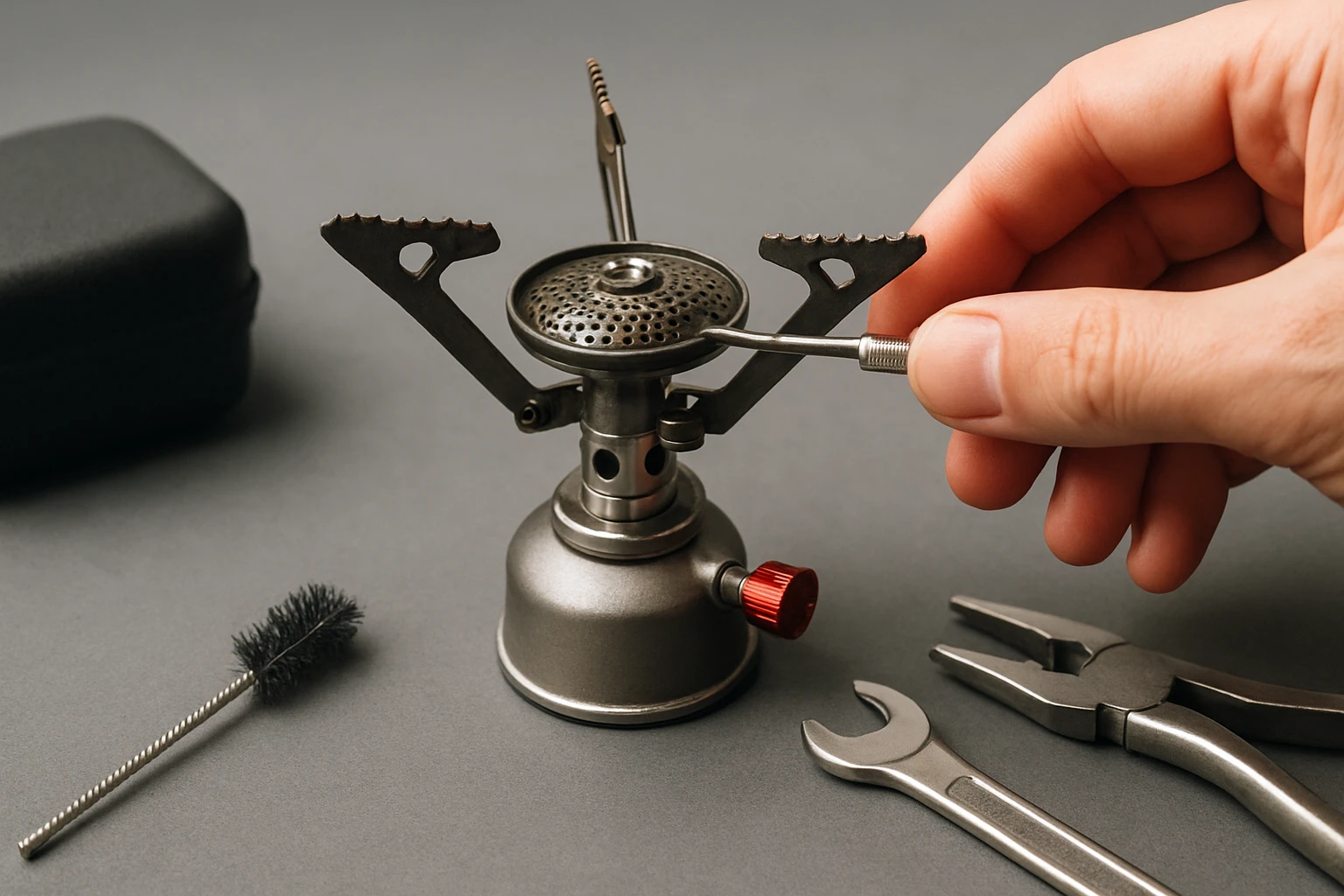
Residue from previous meals can obstruct fuel flow and cause uneven flames. Remove the chrome‑plated grate and place it in warm, soapy water for several minutes. While the grate soaks, use the Strongthium Welding Torch Tip Cleaner Kit to scrub burner ports. The kit provides five nylon brushes ranging from 2 mm to 7 mm, which reach deep into narrow passages, and thirteen aluminum‑boxed cleaning wires of varying diameters for precise metal removal. This combination ensures that soot, food particles, and carbon buildup are eliminated without enlarging the ports.
After brushing, rinse the burners with clean water and dry them with a lint‑free cloth. Reinstall the grate, ensuring the heavy‑duty latch snaps securely. The latch is designed to keep the stove closed during transport, preventing accidental fuel discharge.
Step 3: Inspect and Secure Propane Connections
One must turn off the propane valve and disconnect the hose from the regulator. Examine the O‑ring for wear; a compromised seal can lead to leaks. Using an adjustable wrench, tighten the hose coupling until it is snug but not over‑torqued. Reattach the hose, open the valve slowly, and listen for hissing sounds that indicate a leak.
If a leak is suspected, apply a soap‑water solution to the connection points. Bubbles will form where gas escapes, allowing one to identify the exact location. Tighten the connection again or replace the O‑ring as needed.
Step 4: Test the Ignition System
One should verify that the stove ignites reliably in various weather conditions. With the burners set to low, press the ignition button and observe the spark. The improved knob rotation on the Coleman Triton 2-Burner Propane Stove allows precise temperature control, facilitating a smooth start.
If the spark is weak, clean the ignition electrode with a fine sandpaper pad, being careful not to damage the metal. Re‑test until a consistent blue flame appears. A reliable ignition reduces fuel consumption and prevents the need for manual lighting in windy environments.
Step 5: Verify Wind Guard Integrity
The dual wind guards protect the burners from gusts, maintaining flame stability. One should lift each guard and check for cracks or loose hinges. Tighten any screws with a small screwdriver, and ensure the guards sit flush against the stove body.
When the guards are intact, the stove can achieve its rated 22,000 BTU output even in breezy conditions, which is essential for rapid water boiling during high‑altitude treks.
Step 6: Store the Stove Properly
After cleaning and inspection, one should allow all components to dry completely. Store the stove in a breathable bag to prevent moisture buildup, which can cause corrosion. The heavy‑duty latch should be engaged during transport to keep the stove closed securely.
For long‑term storage, add a small desiccant packet to the bag to absorb residual humidity. This practice extends the lifespan of the stainless steel components and the propane regulator.
Tips & Pro Tips
- Always perform a leak test after each fuel change; safety is paramount when handling propane.
- Use the cleaning wires from the Strongthium kit to remove stubborn carbon deposits from the burner ports; the thin copper needles are ideal for micro‑holes.
- When cooking at high altitude, increase the flame slightly to compensate for lower air pressure; the adjustable knobs provide fine control.
- Carry a spare O‑ring and a mini screwdriver in your pack; these small items can prevent major stove failure.
Troubleshooting
Problem: Flame is yellow or sputtering.
Solution: Yellow flames indicate incomplete combustion, often caused by clogged burners. Use the nylon brushes from the Strongthium kit to clear the ports, then re‑test the stove.
Problem: Ignition button does not spark.
Solution: Check the battery (if the model uses one) or clean the electrode with a fine abrasive pad. Replace the battery if it is depleted.
Problem: Propane valve leaks.
Solution: Tighten the hose coupling, replace the O‑ring, and perform a soap‑water leak test before lighting the stove.
Conclusion
One now possesses a comprehensive maintenance checklist that ensures a compact stove remains dependable throughout extended journeys. By inspecting, cleaning, testing, and storing the stove correctly, the risk of failure is dramatically reduced. The recommended tools – the Coleman Triton stove and the Strongthium cleaning kit – simplify each step while providing high‑quality performance. Consistent maintenance not only prolongs the equipment’s lifespan but also enhances safety and cooking efficiency on every expedition.
Products Mentioned in This Guide
Frequently Asked Questions
How often should I inspect my compact stove before a trip?
Perform a visual inspection before each outing and a thorough check after every long expedition.
What tools are essential for cleaning a compact stove?
An adjustable wrench, soft‑bristle brush, mild dish soap, lint‑free cloth, and a screwdriver are sufficient.
How can I prevent fuel leaks in a portable propane stove?
Check the hose, regulator, and latch for cracks or loose fittings and tighten any connections before use.
What is the best way to store a compact stove during off‑season?
Clean it, ensure it is dry, and store it in a sealed container away from moisture and extreme temperatures.
Why use a welding torch tip cleaner kit on stove burners?
The kit’s nylon brushes and cleaning wires remove carbon buildup, keeping burners firing evenly.