How to Make an Ultralight Pot Cozy: DIY Pattern & Step‑by‑Step Guide for Backpacking
Introduction
Backpackers often struggle with keeping hot meals warm without adding excessive weight. A pot cozy made from thin, heat‑retaining fabric can reduce heat loss by up to 30 percent, extending the time food stays warm. This guide will teach the reader how to design, cut, and assemble a custom‑fit pot cozy that weighs less than 30 grams. By the end of the article, one will have a reusable, ultralight accessory that integrates seamlessly with any camping cookware.
What You'll Need
- 100 % cotton fabric (lightweight, breathable, and microwave‑safe)
- Two‑layer “wrap‑n‑zap” batting for insulation
- Sewing needle or small hand‑sewing kit
- Scissors, ruler, and fabric chalk
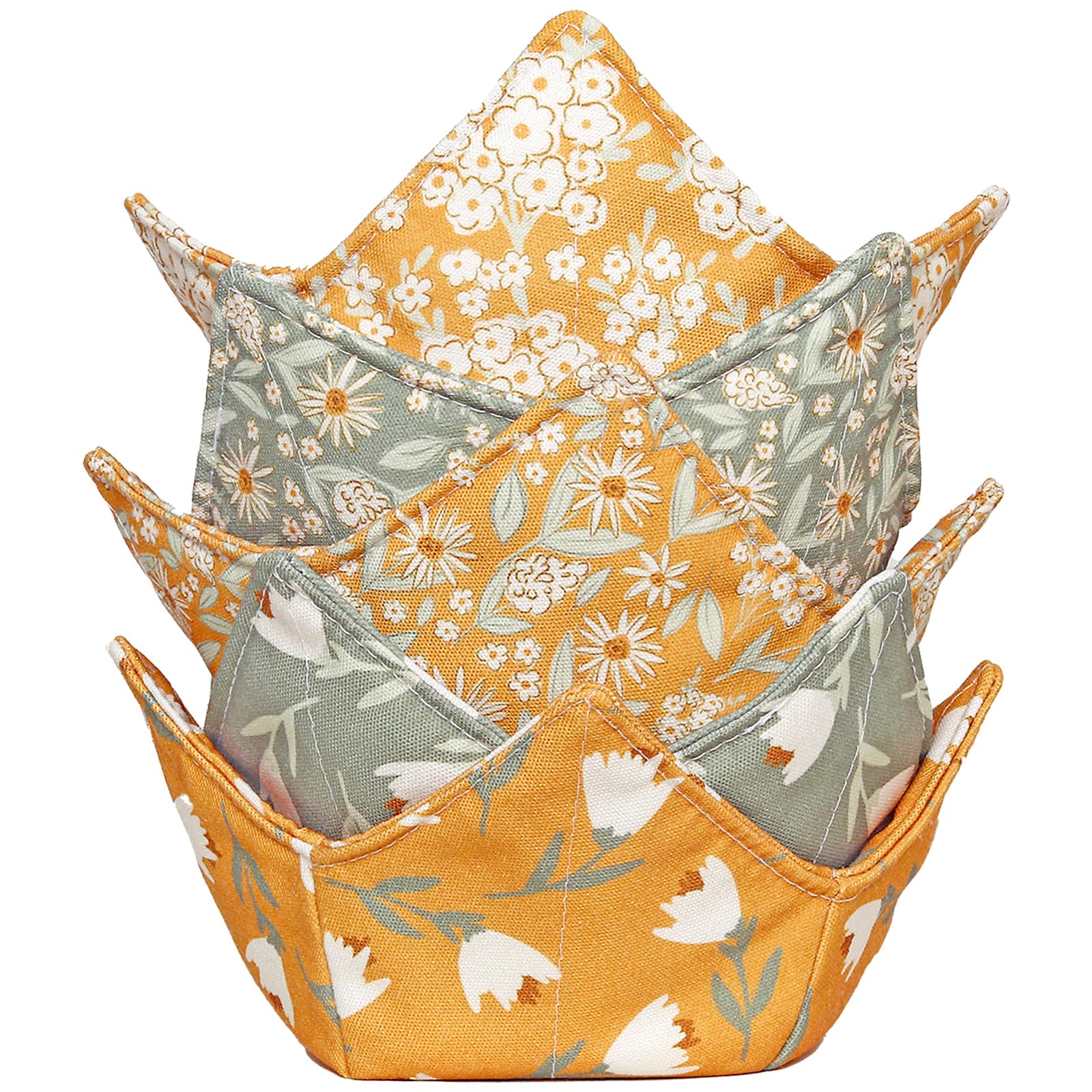
- Optional: ROGITU Cotton Microwavable Bowl Cozy for pattern reference
- Optional: Jetboil MicroMo to test heating performance
- Optional: Boundless Voyage Titanium Plate as a lightweight cookware benchmark
Step 1 – Choose a Pattern and Measure Your Pot
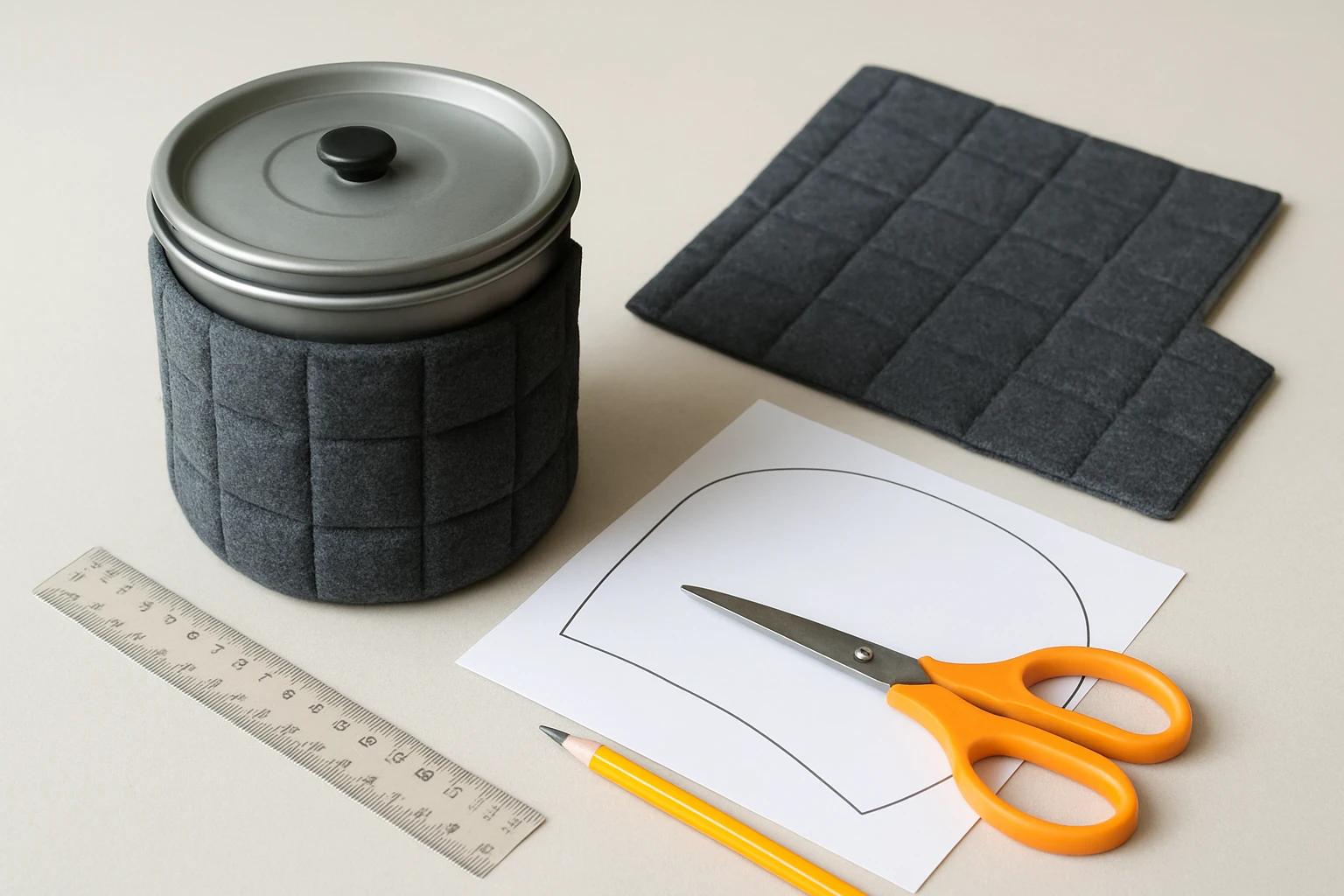
Begin by measuring the circumference and height of the pot you intend to use. Use a flexible tape measure; record the diameter, then multiply by π (approximately 3.14) to obtain the circumference. Write these dimensions on a sheet of paper and add a 1‑centimeter seam allowance on all sides. If you own the ROGITU Cotton Microwavable Bowl Cozy, lay it flat and trace its outline to create a quick template that already incorporates a snug fit.
Step 2 – Select the Right Fabric and Insulation
The core of an ultralight cozy is a thin cotton layer that can be safely microwaved. Cotton is naturally flame‑resistant when damp and does not release chemicals when heated. Pair the cotton with a thin layer of “wrap‑n‑zap” batting, which the ROGITU product describes as two‑layer insulation that retains heat without adding bulk. The batting adds only a few grams but dramatically improves thermal performance.
Step 3 – Cut the Fabric Pieces
Lay the pattern on the cotton fabric, securing it with a few pins or fabric clips. Using sharp fabric scissors, cut a rectangular piece that matches the calculated width (circumference plus seam allowance) and height (pot height plus seam allowance). Repeat the process for the batting layer, ensuring it is cut to the exact same dimensions. Precision at this stage prevents uneven seams that could cause heat leaks.
Step 4 – Assemble the Layers
Place the batting layer on top of the cotton piece, right sides together, and align the edges. Pin the layers along the perimeter, leaving a small opening (about 5 cm) for turning the fabric right‑side‑out later. This method mirrors the construction of the commercial ROGITU cozy, which uses a similar two‑layer system to protect hands from hot bowls.
Step 5 – Sew the Perimeter
Using a small hand‑sewing needle and strong cotton thread, stitch a straight seam around the entire perimeter, following the pinned line. A running stitch with a 2‑mm stitch length provides sufficient strength while keeping the seam lightweight. Close the opening with a neat backstitch to ensure durability during repeated use.
Step 6 – Turn, Press, and Finish Edges
Carefully turn the assembled cozy right‑side‑out through the opening you left earlier. Use a fingertip to push the batting into the interior, ensuring an even distribution. Press the seams flat with a light ironing setting (no steam) to set the shape. Finally, fold the seam allowance inward and stitch a decorative top‑stitch to prevent fraying; this also adds a small aesthetic touch similar to the patterns offered by ROGITU.
Step 7 – Test Fit and Adjust
Slide the finished cozy over your pot; it should fit snugly without excessive slack. If the fit is loose, trim a few millimeters from the seam and resew. For a tighter fit, add a small strip of cotton fabric along the inner edge and stitch it in place. Testing with the Jetboil MicroMo allows you to heat water quickly and observe how well the cozy retains heat compared to an uncovered pot.
Tips & Pro Tips
- Use fabric chalk that washes out easily to avoid permanent marks.
- For added insulation, consider a thin layer of reflective Mylar between the cotton and batting; this adds less than 2 grams.
- When sewing, keep tension low to avoid puckering the thin cotton.
- Store the cozy rolled loosely in a mesh sack (like the one included with the Boundless Voyage Titanium Plate) to protect it from dust and moisture.
Troubleshooting
Issue: The cozy feels too bulky and adds unnecessary weight.
Solution: Verify that the batting layer is no thicker than 0.5 mm; replace with a thinner alternative if needed.
Issue: The seam splits after a few uses.
Solution: Reinforce the seam with a double stitch or use a heavier thread grade (e.g., polyester‑cotton blend).
Conclusion
Creating an ultralight pot cozy empowers backpackers to keep meals warm while minimizing pack weight. By following the pattern‑creation steps, selecting appropriate cotton and batting, and applying precise sewing techniques, one can produce a durable accessory for under $20 in material cost. The optional products highlighted—ROGITU Cotton Microwavable Bowl Cozy, Jetboil MicroMo, and Boundless Voyage Titanium Plate—provide valuable reference points and testing tools. With this knowledge, any outdoor enthusiast can craft a custom, lightweight solution that enhances the camping cooking experience.
Products Mentioned in This Guide
Frequently Asked Questions
What materials are best for an ultralight pot cozy?
Use lightweight 100 % cotton fabric and a thin two‑layer "wrap‑n‑zap" batting for heat retention while staying under 30 g.
How much weight can I expect the finished pot cozy to add?
A properly cut and sewn cozy should weigh less than 30 grams, adding minimal load to your pack.
Can I wash and reuse the pot cozy?
Yes, the cotton fabric and batting are machine‑washable; let it air‑dry before the next use.
How does a pot cozy improve food temperature?
The insulating layers reduce heat loss by up to 30 %, keeping meals warm up to an hour longer.
Do I need a sewing machine to make the cozy?
No, a simple hand‑sewing kit or needle and thread is sufficient for assembling the pattern.

