
How to Upcycle Damaged Titanium Cookware: 10 DIY Repair & Repurpose Projects for a Sustainable Kitchen
Introduction
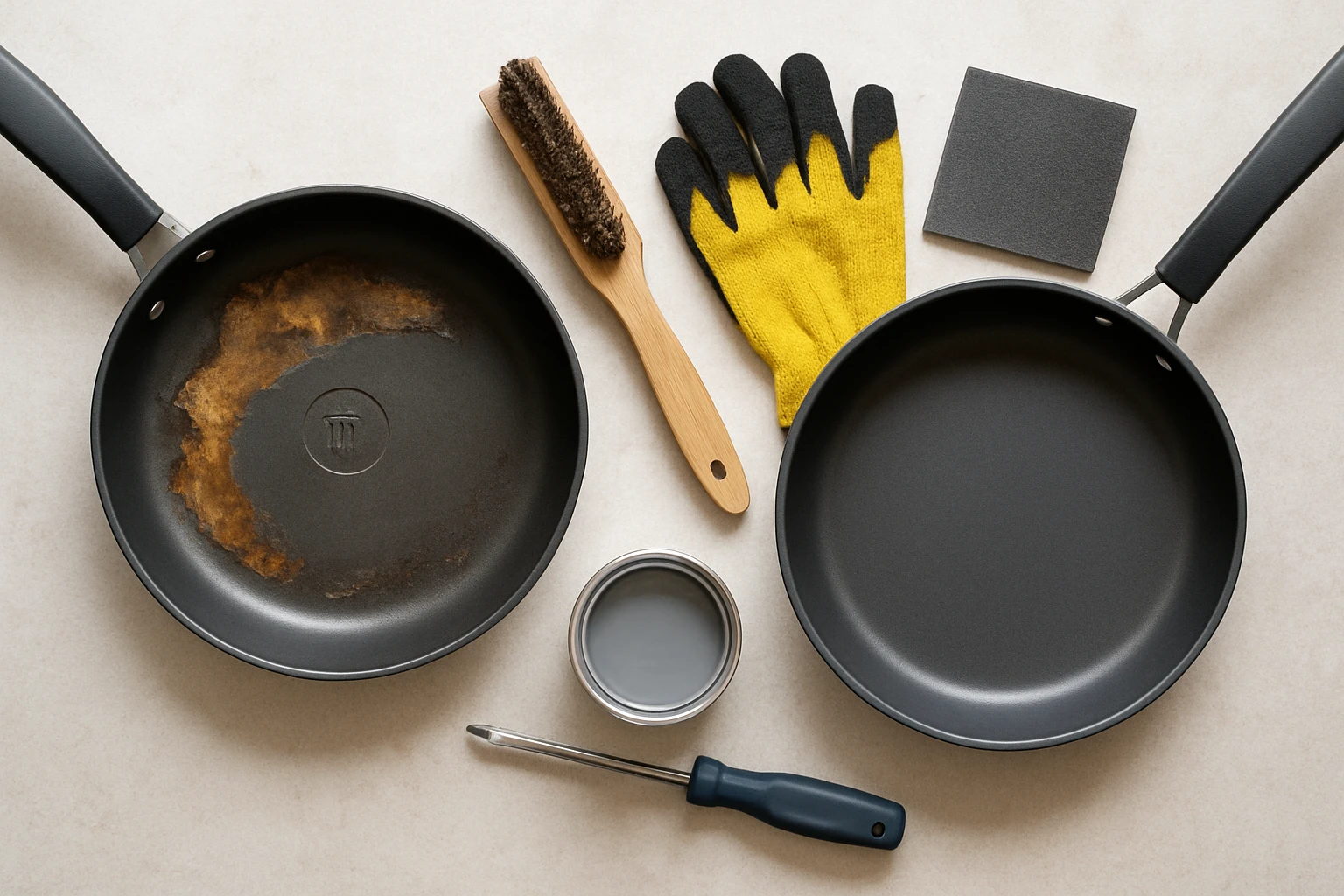
The modern kitchen often contains titanium pots and pans that offer durability but can suffer from cracks, leaks, and surface wear over time. This guide teaches the reader how to extend the life of such items through ten practical repair and repurpose projects. By following the step‑by‑step instructions, one will learn to restore functionality, create new kitchen tools, and reduce waste. The value lies in saving money, preserving resources, and fostering a mindset of sustainable cooking.
What You Will Need
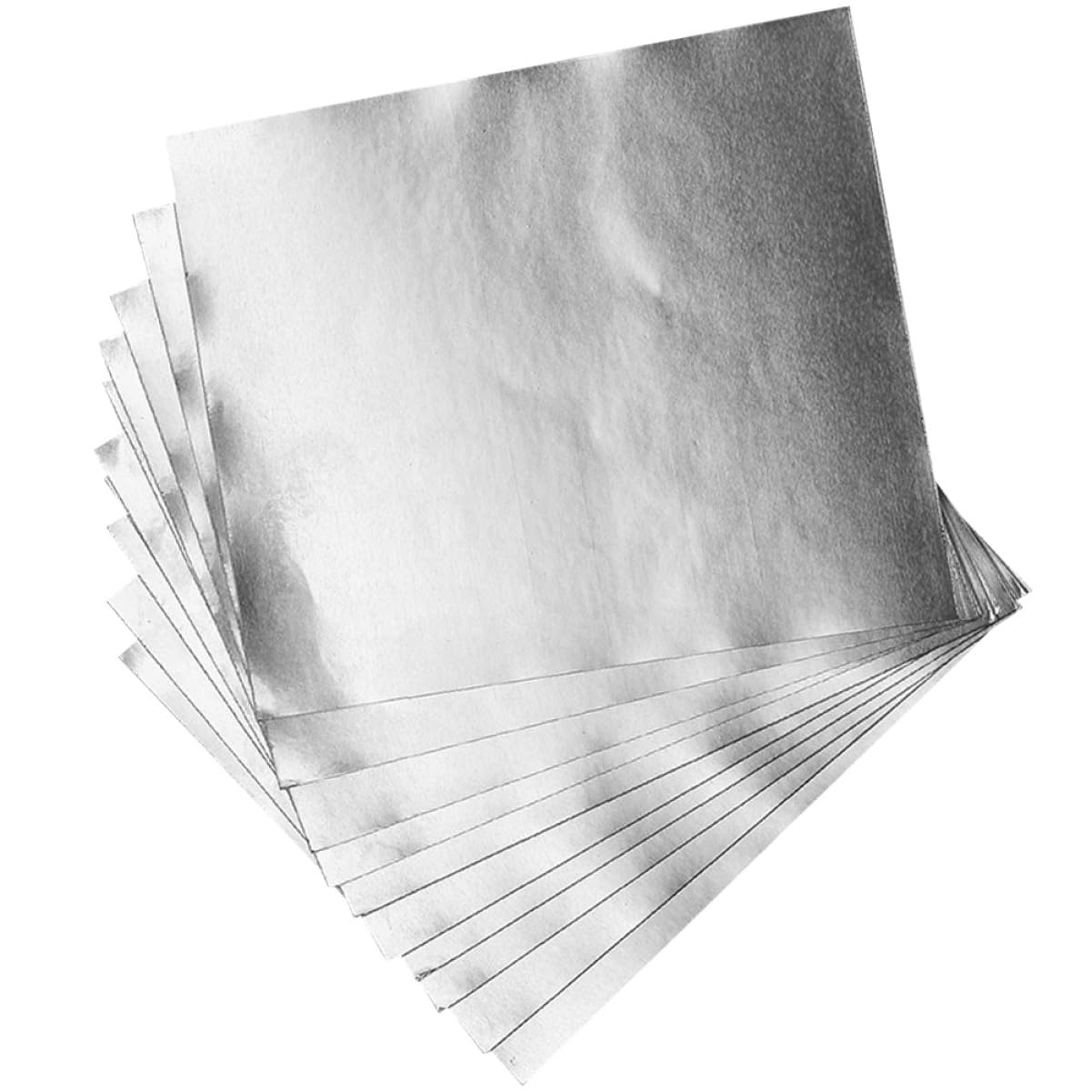
- SOLUSTRE Pot Repair Patches – 10 sheets, $10.99, rating 4.2/5
- SOLUSTRE Cookware Repair Stickers – 10 sheets, $9.99, rating 5/5
- JAOJAO Silicone Sealant – 100 ml, $9.99, rating 3.4/5
- Fine‑grade sandpaper (150‑grit), utility knife, soft cloth, heat‑resistant gloves, small brush, and a marker.
1. Seal Small Cracks with Aluminum Pot Repair Patches
Small hairline cracks often appear along the rim of a titanium pot after repeated heating cycles. Begin by cleaning the affected area with a soft cloth and mild detergent; ensure the surface is completely dry. Cut a patch from the SOLUSTRE Pot Repair Patches that exceeds the crack by at least 1 cm on each side, then gently press the patch onto the crack, using the adhesive side to create a watertight seal. The aluminum foil material tolerates temperatures from –20 °C to 300 °C, making it suitable for regular stovetop use without degrading.
2. Reinforce Leaking Handles Using Cookware Repair Stickers
Handles that develop leaks or loose joints can be reinforced with the SOLUSTRE Cookware Repair Stickers. First, remove any residual food particles and lightly sand the contact surface to improve adhesion. Align a sticker over the joint, press firmly for 30 seconds, and allow the adhesive to set for ten minutes before testing. These stickers are lightweight, oil‑proof, and maintain adhesion at temperatures up to 300 °C, providing a durable solution for handle repair.
3. Patch Large Holes with High‑Temp Silicone Sealant
When a pot develops a sizable hole that exceeds the size of a foil patch, the JAOJAO Silicone Sealant offers a flexible, heat‑resistant fill. Clean the area, apply a thin layer of the sealant using the included brush, and smooth it with a spatula. The sealant cures to a rubber‑like consistency within 24‑48 hours, resisting temperatures from –50 °C to 250 °C, making it safe for oven and stovetop applications. After curing, test the repair by filling the pot with water and heating gently.
4. Create Custom Heat‑Resistant Handles Using Aluminum Patches
For pots lacking ergonomic handles, one can fashion custom grips from the aluminum patches. Cut a strip measuring 2 cm wide and long enough to wrap around the desired handle location. Apply the strip to the pot, then fold the edges inward and secure with a thin layer of JAOJAO Silicone Sealant to bond the edges. The resulting handle tolerates high heat and provides a comfortable grip, extending the utility of otherwise unusable cookware.
5. Transform a Damaged Lid into a Baking Tray
A cracked titanium lid can be repurposed as a shallow baking tray for roasted vegetables. Trim any protruding edges with a utility knife, then sand the interior surface to remove sharp fragments. Apply a thin layer of JAOJAO Silicone Sealant along the rim to seal any remaining gaps, preventing liquid loss during baking. The lid’s inherent heat distribution makes it an excellent alternative to a traditional sheet pan.
6. Convert Scratched Surfaces into a Non‑Stick Mat
Scratches on the cooking surface reduce the non‑stick performance of titanium pans. Cover the scratched area with overlapping SOLUSTRE Pot Repair Patches to create a smooth, sealed mat. Ensure each patch overlaps the previous by at least 5 mm to avoid gaps. The aluminum surface provides a temporary non‑stick layer, allowing the pan to remain functional until a permanent replacement is acquired.
7. Make a Portable Spice Rack from Pot Fragments
Broken pot pieces can be fashioned into a compact spice rack. Select flat fragments, sand the edges, and drill small holes for spice jar lids. Secure the fragments together with JAOJAO Silicone Sealant, forming a rectangular frame. The resulting rack is lightweight, heat‑resistant, and adds a recycled aesthetic to the countertop.
8. Build a Kitchen Organizer Using Patched Panels
Large broken pot shells can be cut into panels for utensil storage. After cutting, reinforce the edges with SOLUSTRE Cookware Repair Stickers to prevent sharpness. Attach the panels to a wall or cabinet interior using the silicone sealant as an adhesive. This organizer utilizes the metal’s durability while reducing kitchen clutter.
9. Craft Decorative Wall Art from Cut‑out Pot Pieces
Artistic enthusiasts can cut decorative shapes from damaged titanium cookware. After shaping, smooth the edges with sandpaper and apply a thin coat of JAOJAO Silicone Sealant to protect against oxidation. Mount the pieces on a wooden board using the sealant as a bonding agent. The resulting wall art showcases reclaimed metal and adds a culinary theme to any space.
10. Upcycle into a Garden Watering Can
By attaching a spout made from a trimmed pot rim, one can convert a damaged titanium pot into a sturdy watering can. Drill a small hole near the top, insert a metal tube, and seal with silicone sealant. Reinforce the handle area with a SOLUSTRE Pot Repair Patch to ensure a secure grip. The metal’s resistance to corrosion makes it ideal for outdoor use.
Tips & Pro Tips
- Always test a small, inconspicuous area before applying any adhesive to ensure compatibility with the titanium surface.
- When using silicone sealant, work in a well‑ventilated area and wear gloves to avoid skin irritation.
- For best adhesion, heat the cookware slightly (no more than 50 °C) before applying patches; the warmth activates the adhesive.
- Store unused patches and stickers in a dry, cool place to preserve their tackiness.
Troubleshooting
| Problem | Possible Cause | Solution |
|---|---|---|
| Patch lifts after cooling | Insufficient surface preparation | Re‑clean, sand lightly, and reapply patch with firm pressure. |
| Sealant remains tacky | Ambient temperature too low | Increase room temperature or use a hair dryer to accelerate curing. |
| Sticker does not adhere | Surface oily or dirty | Wipe the area with isopropyl alcohol and allow to dry before re‑sticking. |
Conclusion
The ten projects outlined above demonstrate that damaged titanium cookware can be transformed into functional, attractive kitchen assets. By employing the recommended aluminum patches, repair stickers, and high‑temp silicone sealant, one can achieve professional‑grade repairs without specialized equipment. Embracing these upcycling techniques reduces waste, saves money, and encourages a sustainable cooking environment. One is encouraged to experiment further and share successful adaptations with the broader community.
Products Mentioned in This Guide
Frequently Asked Questions
How do I repair cracks in titanium pots and pans?
Clean the damaged area, apply a SOLUSTRE Pot Repair Patch, and let it cure according to the package instructions.
Are food‑grade silicone sealants safe for fixing leaks in titanium cookware?
Yes, a product like JAOJAO Silicone Sealant creates a watertight, food‑safe seal once fully cured.
Can a dented titanium pan be repurposed into another kitchen tool?
Absolutely—turn it into a serving tray, herb grinder, or stovetop grill with minimal modifications.
How long does it take for SOLUSTRE Cookware Repair Stickers to bond to titanium?
Press the sticker on for 5‑10 minutes; the full adhesive strength develops within 24 hours.
What are the main benefits of upcycling damaged titanium cookware?
Upcycling saves money, reduces landfill waste, and extends the life of a durable, high‑performance kitchen material.