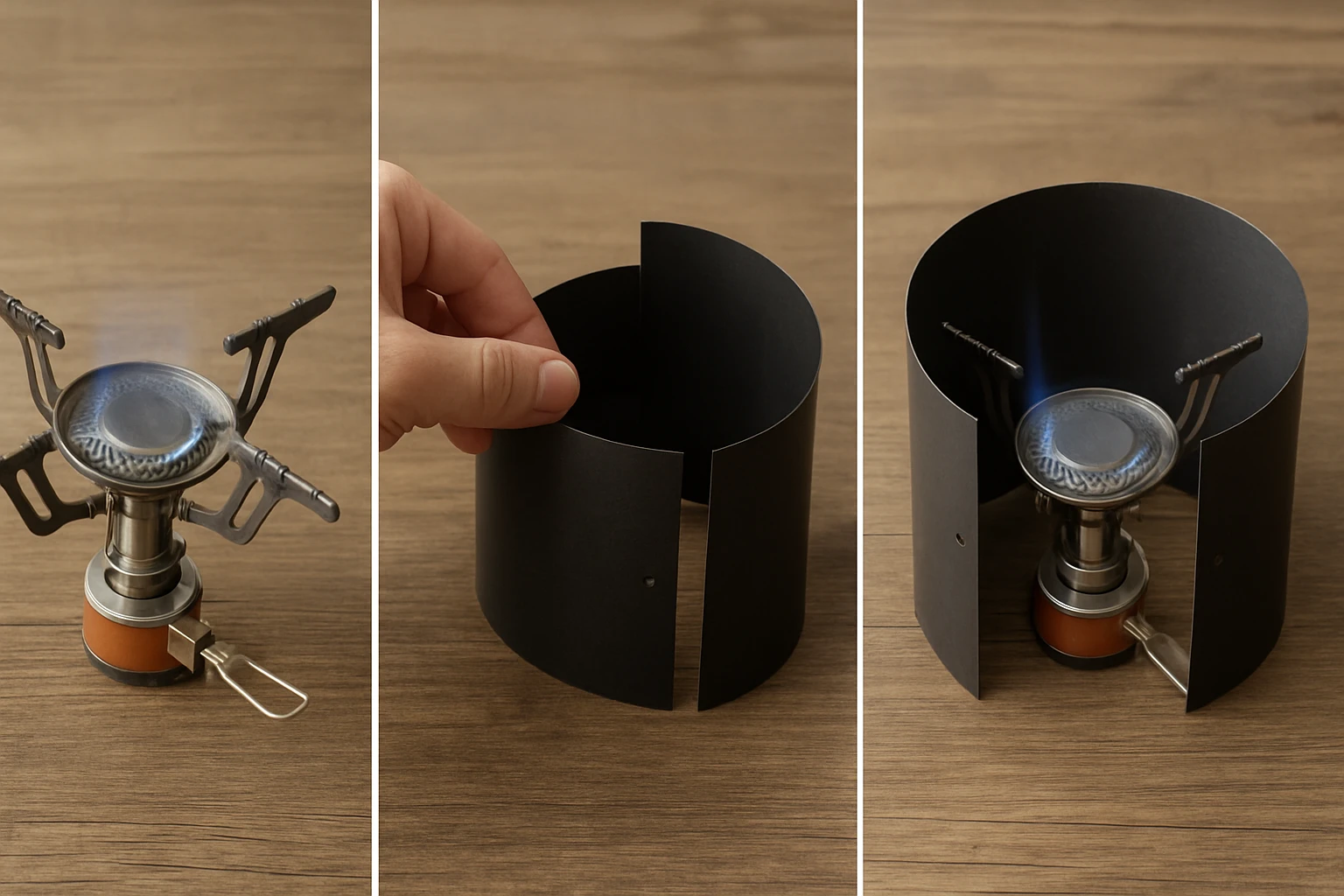
How to Windproof Compact Stoves: 7 Essential Techniques for Reliable Camping & Backpacking Cooking
Outdoor cooking can be compromised by wind, which reduces flame efficiency, increases fuel consumption, and creates safety hazards. This guide teaches seven essential techniques that enable campers and backpackers to protect their compact stoves from wind, ensuring consistent heat and safe operation. By following these steps, readers will gain practical skills that improve cooking performance regardless of weather conditions.
Step 1: Select a Stove Designed for Wind Resistance
Choosing a stove with built‑in wind‑shield features or a dual‑fuel system provides a solid foundation for windproof cooking. The Gas One GS-3400P Dual Fuel Stove excels in this area. It operates on both butane cartridges and propane cylinders, offering flexibility when fuel supplies vary. The included pressure‑sensor cartridge ejection system and automatic piezo ignition reduce the need for external accessories. At $29.99, it holds a 4.6‑star rating from over 15,000 reviewers, indicating reliable performance in windy environments.
Why this stove matters: its dual‑fuel capability allows users to switch to a larger propane cylinder when wind demands higher output, while the built‑in flame supervision system maintains a stable flame under gusts.
Step 2: Add an External Windshield or Deflector
Even the most wind‑resistant stove benefits from a portable shield. A simple metal or silicone deflector placed upwind of the burner redirects airflow and concentrates heat. The Gas One GS-3400P ships with a carrying case that doubles as a makeshift shield when unfolded, but many campers prefer a dedicated windscreen. Pairing the stove with a lightweight, collapsible windscreen—available at most outdoor retailers—adds an extra layer of protection without significant weight penalty.
Step 3: Position the Stove Strategically
Placement is critical. Set the stove on a flat, stable surface such as a rock or a compact camping table. Position the unit with its back toward the prevailing wind direction, using natural barriers like trees or boulders when possible. This technique reduces direct wind exposure and allows the stove’s built‑in heat‑radiating surfaces to work efficiently.
Step 4: Use a Heat‑Reflective Base
Placing a reflective pad beneath the stove reflects heat upward, improving fuel efficiency. Aluminum foil or a purpose‑made heat‑reflective mat can serve this purpose. The reflective surface also creates a micro‑environment that buffers the flame from sudden gusts, keeping the temperature more consistent.
Step 5: Optimize Fuel Flow and Ignition Settings
Modern compact stoves include adjustable heat dials. Begin with a low setting to establish a stable flame, then increase gradually until the desired heat is reached. The Gas One GS-3400P’s piezo electric ignition eliminates the need for matches, allowing rapid relighting if wind extinguishes the flame. For ultra‑lightweight travelers, the YCDMLJC Portable Camping Stove offers a reliable piezo igniter at $9.99 with a 4.7‑star rating from 195 reviewers. Although its output is lower (approximately 8,000 BTU), its compact size makes it an excellent backup when wind conditions are moderate.
Why the YCDMLJC model is useful in this step: its simple valve control allows precise fuel regulation, which is essential when wind threatens to blow fuel away from the burner.
Step 6: Employ a Wind‑Proof Cooking Enclosure
For extended cooking sessions, consider a portable cooking enclosure such as a lightweight tent or a pop‑up wind‑proof shelter. These structures create a controlled micro‑climate, protecting the stove from gusts while retaining heat. Ensure adequate ventilation to prevent carbon monoxide buildup, especially when using propane.
Step 7: Conduct Regular Maintenance and Safety Checks
Before each trip, inspect the stove for blockages, loose connections, and fuel leaks. Clean the burner ports with a soft brush to maintain optimal flame stability. Verify that the pressure‑sensor cartridge ejection system on the Gas One stove functions correctly; a malfunctioning sensor can cause unexpected flame loss in windy conditions.
Regular maintenance not only prolongs the lifespan of the stove but also ensures that wind‑related safety features operate as intended.
Tips & Pro Tips
- Carry a spare fuel canister of the opposite type (propane if you usually use butane) to adapt to wind‑induced fuel demands.
- Use a wind‑proof cooking pot with a snug lid; this retains heat and reduces the time the flame must stay active.
- When cooking at high altitude, increase the fuel flow slightly to compensate for reduced oxygen, but monitor the flame for signs of wind disturbance.
- Keep a carbon monoxide detector in your camping vehicle or shelter when using gas stoves indoors or in semi‑enclosed spaces.
Troubleshooting
| Problem | Possible Cause | Solution |
|---|---|---|
| Flame flickers or dies out | Excessive wind or blocked burner ports | Reposition stove behind a natural barrier, clean burner, and add a windscreen. |
| Fuel does not ignite | Empty cartridge or faulty piezo igniter | Replace fuel canister, test igniter by pressing several times; if still fails, use a manual lighter as a temporary measure. |
| Excessive fuel consumption | Wind causing heat loss | Implement steps 2‑4 to improve heat retention and reduce wind impact. |
Conclusion
By selecting a versatile stove, employing windshields, positioning the unit wisely, using reflective bases, fine‑tuning fuel flow, creating enclosed cooking spaces, and maintaining equipment, campers can master windproof cooking. These seven techniques transform a compact stove into a reliable heat source, enabling delicious meals even in gusty conditions. Apply these methods on your next adventure and experience consistent, efficient cooking wherever the wind blows.
Products Mentioned in This Guide
Frequently Asked Questions
What are the main benefits of wind‑proofing a compact stove?
It maintains flame stability, reduces fuel usage, and improves safety by preventing flare‑ups in windy conditions.
How does a dual‑fuel stove improve wind resistance?
Dual‑fuel models often include built‑in windshields and can switch to a fuel type that burns hotter, helping the flame stay strong despite wind.
What simple technique can I use to create a DIY wind shield for my stove?
Arrange a lightweight metal or heat‑resistant mesh around the stove, leaving enough clearance for airflow while blocking direct gusts.
Why is it important to position the stove correctly relative to the wind?
Placing the stove with the wind at a 45‑degree angle minimizes direct exposure, allowing the shield to deflect airflow and keep the flame steady.
How does proper windproofing affect fuel consumption?
By protecting the flame, windproofing can cut fuel use by up to 30%, extending the life of canisters on long trips.