Introduction
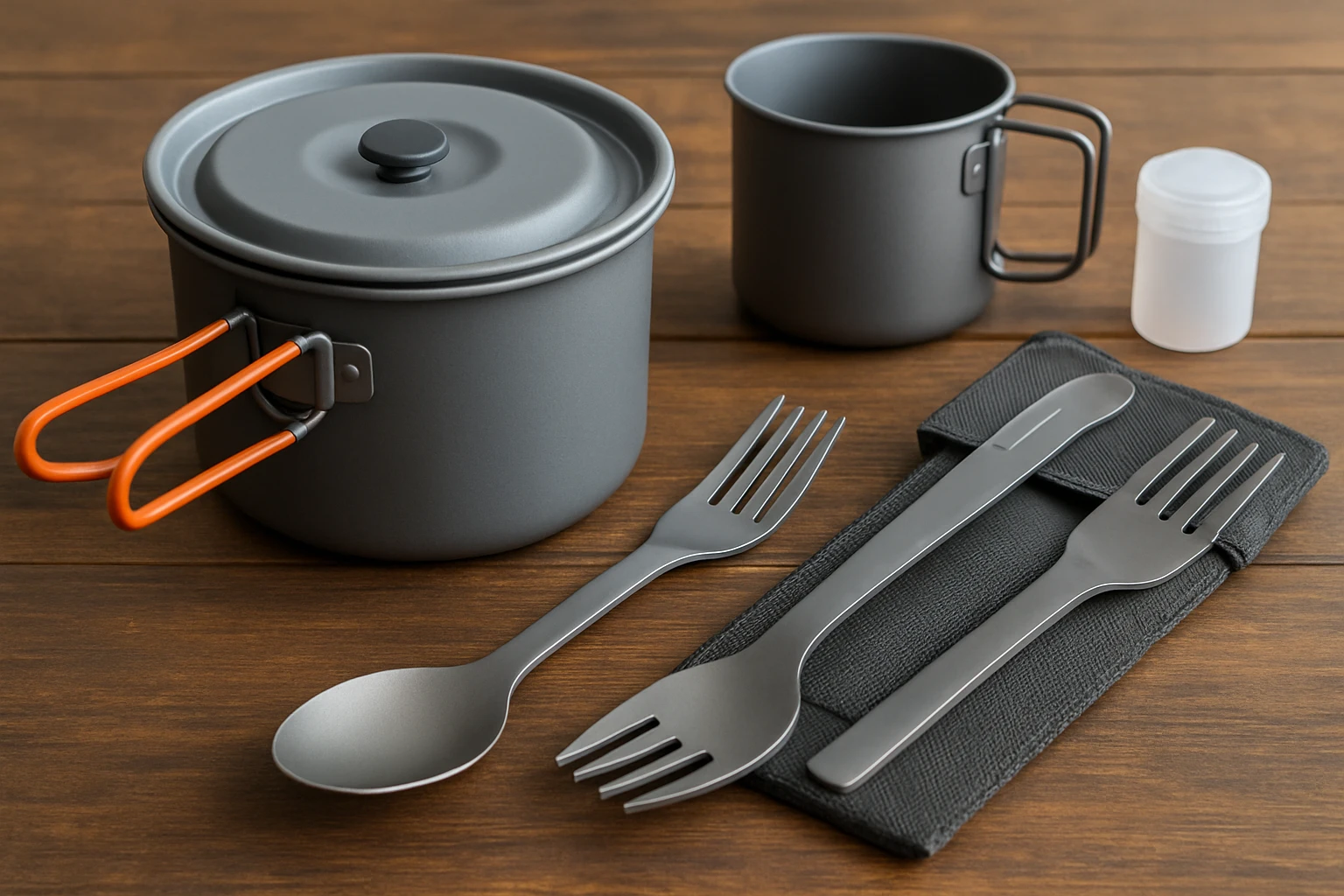
The modern backpacker seeks equipment that reduces weight, minimizes waste, and preserves the wilderness. This guide explains the principles of leave‑no‑trace cooking, outlines the most important material and design considerations, and presents four highly rated products that embody ultralight philosophy. Readers will learn how to evaluate sporks, titanium utensils, and multi‑tool kits, and will receive actionable tips for maintenance and responsible use. By the end of the article, one will be equipped to select gear that balances durability, functionality, and environmental stewardship.
Background/Context
Leave‑no‑trace ethics require that every piece of gear leave a negligible footprint on the environment. Cooking utensils, though small, can accumulate into significant waste when disposable plastic is used. Reusable utensils made from lightweight metals or high‑performance polymers provide a sustainable alternative while also reducing pack weight. Understanding the trade‑offs between material strength, corrosion resistance, and weight is essential for making informed decisions. Moreover, the design of a utensil—such as the inclusion of a fire starter or a compact case—can influence both convenience and overall impact.
Material Considerations
Materials dictate the long‑term performance of ultralight utensils. Stainless steel offers excellent corrosion resistance but typically adds more weight than titanium. Titanium, by contrast, provides a superior strength‑to‑weight ratio, is naturally rust‑free, and is safe for food contact. High‑grade BPA‑free plastics can be used for handles and accessories, offering durability without the environmental concerns of traditional plastics. When selecting a utensil, consider the typical cooking conditions: high‑altitude humidity, exposure to acidic foods, and frequent cleaning cycles.
For example, the TiTo Titanium Spork is fabricated from 99.5% food‑grade titanium, making it virtually rust‑proof and exceptionally lightweight at 16 g per piece. In contrast, the Tapirus Tactical Spork Set combines BPA‑free polymer with a stainless steel knife blade, offering a hybrid solution that balances cost and durability.
Design Features that Enhance Minimal Impact
Beyond material, specific design features contribute to a low‑impact experience. Integrated fire starters eliminate the need for separate tinder tools, reducing pack clutter. Collapsible or nesting designs allow multiple utensils to occupy a single pocket, freeing space for food and shelter. Cases made from reinforced paracord or high‑strength polymer protect the utensils from damage and keep them clean, extending their service life.
The Tapirus Tactical Spork Set includes a replaceable 2‑3/8 in ferro rod fire starter, a paracord sheath, and a compact case, making it a self‑contained solution for backcountry cooking. The TININA Travel Utensils Set features a unique buckle case that snaps tightly, preventing the knives and forks from falling out during vigorous movement.
Portability and Weight Management
Weight is the most critical metric for ultralight backpackers. Every gram saved translates into a measurable reduction in fatigue over long distances. Utensils that weigh less than 20 g per piece are considered truly ultralight. Packing efficiency is also important; a set that nests or folds into a single pocket reduces the overall volume of the gear bundle.
The TiTo Titanium Spork weighs only 0.57 oz (16 g) and ships with a quick‑drying bag, allowing it to be stored in a pocket or attached to a backpack strap. The Hommaly Travel Utensils Kit includes a compact zippered case that fits comfortably in a side pocket, despite containing a knife, fork, spoon, chopsticks, and two straws.
Durability and Maintenance
Durability ensures that an ultralight utensil will survive many trips, thereby reducing the need for replacement and the associated environmental cost. Stainless steel and titanium are both highly resistant to deformation, but titanium offers superior resistance to corrosion in salty or acidic environments. Easy cleaning is another factor; utensils that are dishwasher safe or can be rinsed quickly with minimal water are preferable for low‑impact travel.
All four featured products are dishwasher safe. The Tapirus Tactical Spork Set is stain‑resistant and can be placed in a dishwasher after a trek. The TININA Travel Utensils Set advises against abrasive cleaning tools to preserve the polished stainless steel finish.
Comparison/Selection Guide
| Feature | Tapirus Tactical Spork Set | TININA Travel Utensils Set | TiTo Titanium Spork | Hommaly Travel Utensils Kit |
|---|---|---|---|---|
| Weight per piece | 2 oz (≈57 g) | ~3 oz (≈85 g) for set | 0.57 oz (16 g) | ~4 oz (≈113 g) for full kit |
| Primary material | BPA‑free polymer + stainless steel knife | Stainless steel | 99.5% titanium | Stainless steel |
| Integrated fire starter | Yes (replaceable ferro rod) | No | No | No |
| Case design | Paracord sheath with zippered case | Buckle‑snap reinforced case | Quick‑drying pouch | Zippered bag with spice jars and straw set |
| User rating | 4.7/5 (1,522 reviews) | 4.8/5 (1,657 reviews) | 4.8/5 (1,475 reviews) | 4.8/5 (3,123 reviews) |
| Price (USD) | $28.95 | $6.99 | $7.99 | $9.99 |
The table above assists readers in matching their priorities—such as weight, fire‑starting capability, or multi‑tool versatility—to the product that best satisfies those criteria. For hikers whose primary concern is weight, the TiTo Titanium Spork offers the lightest option. For those who value an all‑in‑one solution, the Tapirus Tactical Spork Set provides a built‑in fire starter and a durable case. The TININA Travel Utensils Set excels in compactness and affordability, while the Hommaly Travel Utensils Kit delivers a comprehensive suite of tools for extended trips.
Best Practices & Tips
- Clean utensils promptly after each use to prevent food residue from attracting wildlife and to avoid corrosion.
- When using a fire starter, keep the ferro rod away from moisture and store it in a dry compartment of the case.
- Consider attaching a small carabiner to the utensil case for easy access on the outside of a backpack.
- Rotate between multiple sets on long expeditions to distribute wear and extend the lifespan of each set.
- When cooking dehydrated meals, use the long handle of the TiTo Titanium Spork to stir without burning fingers.
FAQ
- What is the advantage of titanium over stainless steel for backpacking utensils?
- Titanium provides a superior strength‑to‑weight ratio, is naturally corrosion‑free, and does not impart metallic taste to food.
- Can the fire starter in the Tapirus Tactical Spork Set be used in wet conditions?
- The ferro rod functions best when dry; however, a small amount of dry tinder can be added to generate sparks even when ambient humidity is high.
- Is it safe to wash titanium sporks in a dishwasher?
- Yes, titanium is dishwasher safe and will not degrade after repeated cycles.
- How do I prevent the stainless steel knives in the TININA set from becoming dull?
- Store the knives in the reinforced case, avoid cutting hard objects, and hand‑wash with mild detergent to preserve the edge.
- Do the spice jars in the Hommaly kit leak?
- The jars feature a sealed aluminum foil liner that resists leakage, making them suitable for powdered seasonings on the trail.
- Which product is most suitable for a solo ultralight hiker?
- The TiTo Titanium Spork, at 16 g and with a quick‑drying pouch, offers the smallest weight and volume for a solo traveler.
- Can these utensils be used for cooking over a camp stove?
- All featured utensils are heat‑resistant enough for typical camp stove temperatures; however, titanium may become hot to the touch more quickly than polymer‑coated handles.
Conclusion
Choosing the right ultralight cooking utensils requires a balance of material science, ergonomic design, and environmental responsibility. By understanding the trade‑offs presented in this guide, backpackers can select gear that reduces pack weight, minimizes waste, and enhances the overall outdoor experience. Whether one prefers the all‑in‑one functionality of the Tapirus Tactical Spork Set, the affordability of the TININA Travel Utensils Set, the featherlight performance of the TiTo Titanium Spork, or the comprehensive versatility of the Hommaly Travel Utensils Kit, each product aligns with the core principle of leaving no trace.
Products Featured in This Guide
Tapirus Tactical Spork Set
Price: $28.95 | Rating: 4.7/5 (1,522 reviews)
Featured for its built‑in ferro rod fire starter, durable BPA‑free construction, and compact paracord case, making it an all‑in‑one solution for ultralight campers.
TININA Travel Utensils Set
Price: $6.99 | Rating: 4.8/5 (1,657 reviews)
Featured for its unique buckle case that prevents accidental loss, reinforced polymer construction, and premium stainless‑steel blades that offer excellent value for budget‑conscious hikers.
TiTo Titanium Spork
Price: $7.99 | Rating: 4.8/5 (1,475 reviews)
Featured for its ultra‑light titanium construction, extended long handle for deep‑pot stirring, and quick‑drying pouch that maximizes portability.
Hommaly Travel Utensils Kit
Price: $9.99 | Rating: 4.8/5 (3,123 reviews)
Featured for its comprehensive suite—including knife, fork, spoon, chopsticks, straw set, and spice jars—packaged in a sleek zippered case that serves both functional and aesthetic purposes.
Frequently Asked Questions
What materials are best for ultralight, leave‑no‑trace cooking utensils?
Titanium and high‑performance polymers offer the best mix of low weight, strength, and corrosion resistance for sustainable backpacking.
How does a utensil’s design affect its environmental impact?
Compact, multi‑function designs reduce the number of items needed, decreasing overall waste and pack weight.
Can reusable utensils replace disposable plastic on the trail?
Yes, reusable titanium or polymer utensils eliminate single‑use plastic waste while adding minimal weight to your pack.
What maintenance tips extend the life of ultralight cooking gear?
Rinse after each use, dry thoroughly, and store in a protective case to prevent corrosion and wear.
How should I evaluate sporks versus separate forks and spoons for backpacking?
Consider the combined weight, versatility, and ease of cleaning; a well‑designed spork often offers the lightest, most convenient option.