Introduction
The micro‑scratch test is a practical method for assessing the surface integrity of titanium cookware. By creating controlled, fine scratches, one can evaluate the coating durability, hardness, and resistance to wear. This guide explains how to conduct the test at home, ensuring safe and accurate results without expensive laboratory equipment. Readers will learn the required materials, detailed procedures, and how to interpret the findings for informed purchasing decisions.
What You'll Need
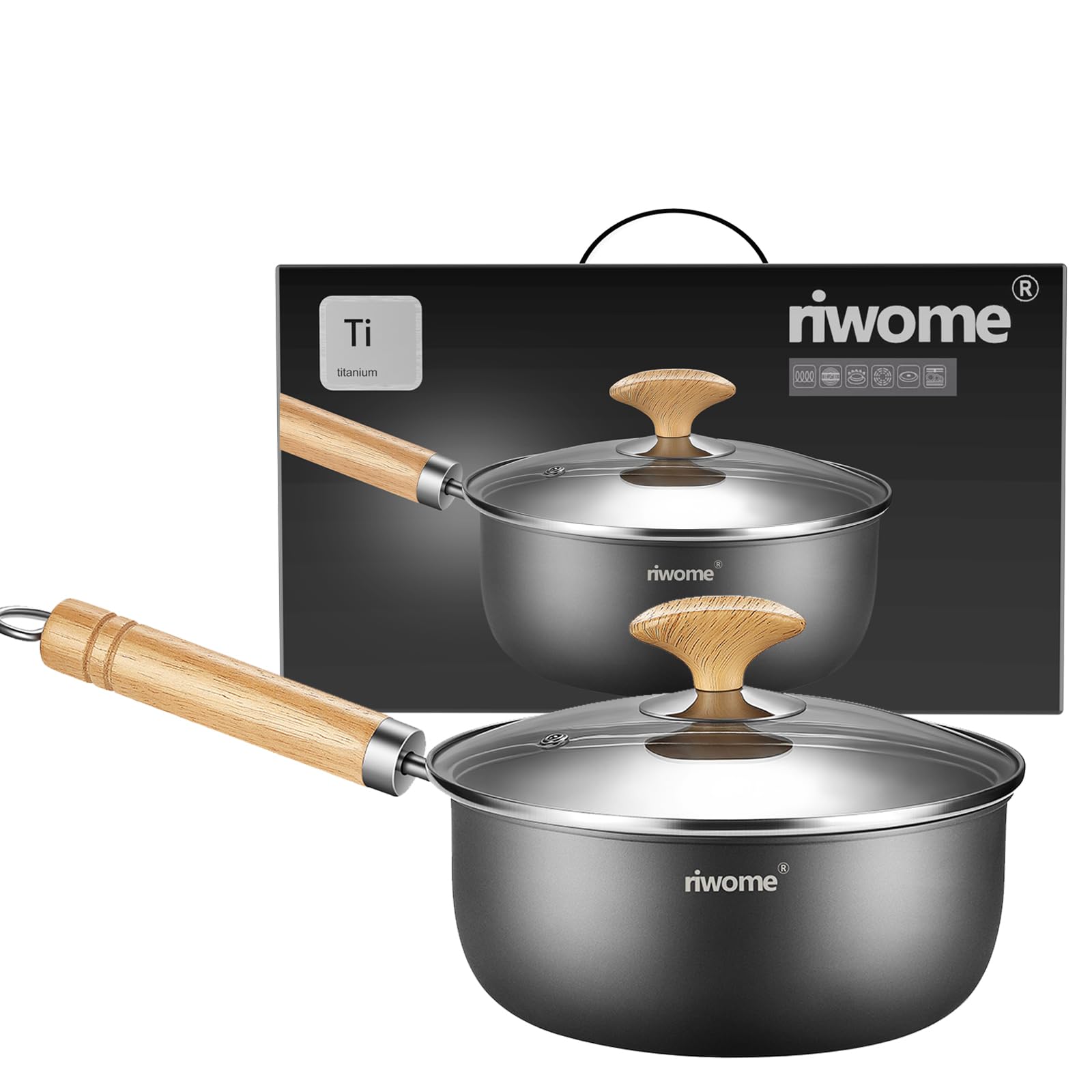
- A Riwome Titanium Sauce Pot (2.0 Qt) – the subject of the test.
- A set of calibrated micro‑scratch needles or a fine‑grade steel file (e.g., 100 µm tip).
- Magnifying glass or jeweler’s loupe (10×–20×) for visual inspection.
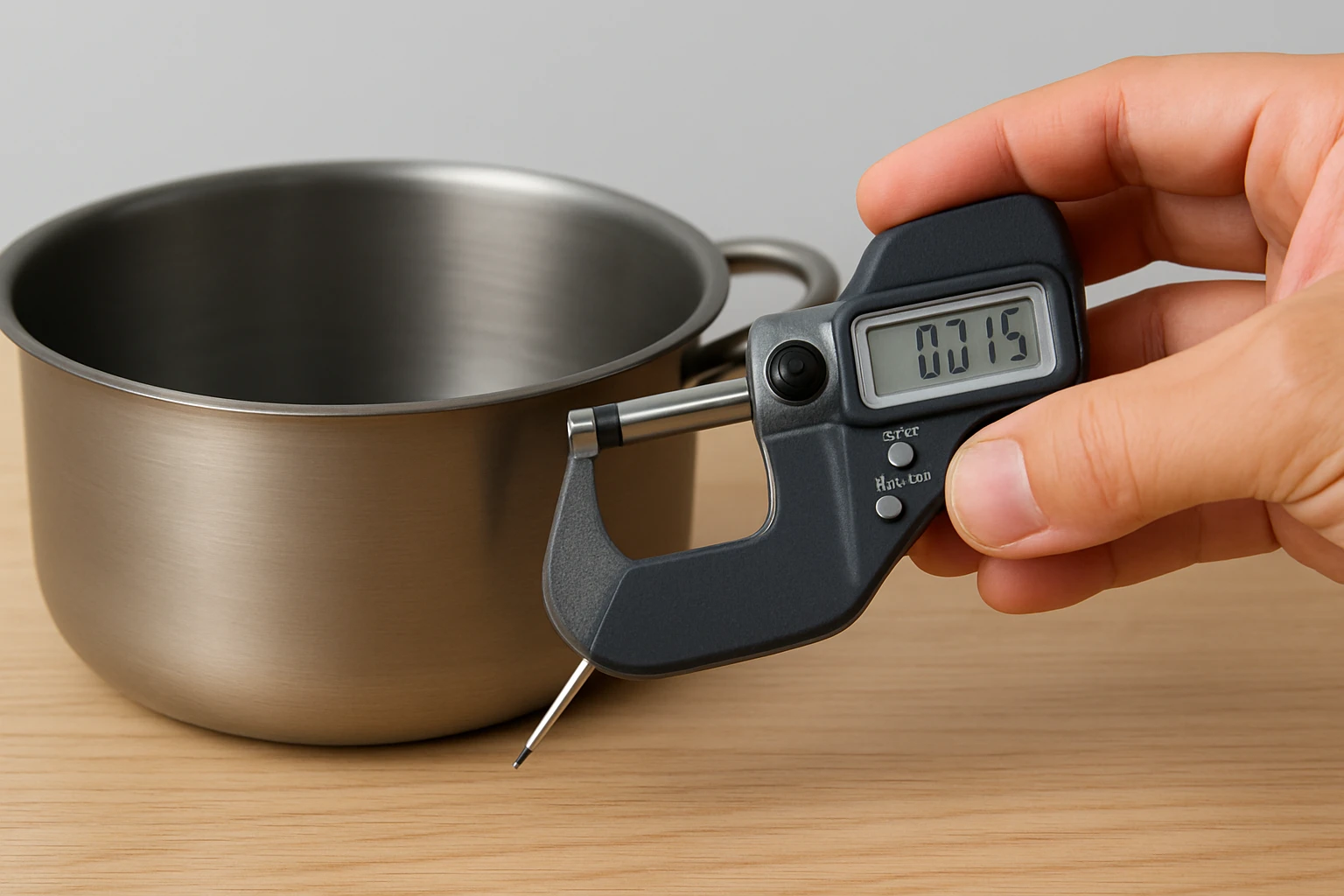
- Digital ruler or caliper for measuring scratch width.
- Isopropyl alcohol and lint‑free cloth for cleaning the surface.
- Protective gloves and safety glasses.
Step‑by‑Step Instructions
Step 1: Prepare a Controlled Workspace
Choose a well‑lit, flat surface such as a kitchen countertop or a sturdy table. Lay down a clean, non‑slipping mat to prevent the pot from moving during the test. Ensure that the ambient temperature is between 20 °C and 25 °C to avoid thermal expansion that could affect measurements. This environment reduces variables and yields reproducible results.
Step 2: Clean the Pot Surface Thoroughly
Using a lint‑free cloth dampened with isopropyl alcohol, wipe the interior of the Riwome Titanium Sauce Pot to remove oils, food residues, and dust. Allow the surface to air‑dry for at least two minutes. A pristine surface is essential because contaminants can mask or exaggerate scratch visibility, leading to inaccurate assessments.
Step 3: Select the Appropriate Scratch Tool
For a micro‑scratch test, a calibrated needle with a known tip radius (e.g., 50 µm) provides consistent force application. If a needle is unavailable, a fine steel file can be used, but the pressure must be carefully controlled with a spring‑loaded holder. The chosen tool should be compatible with titanium’s hardness to avoid excessive deformation.
Step 4: Perform the Micro‑Scratch Test
- Secure the pot on the mat so it does not shift.
- Place the scratch needle at a predetermined starting point, typically 2 cm from the rim to avoid edge effects.
- Apply a constant load of 0.5 N using a small weight or a calibrated spring mechanism. Consistency in load ensures comparable scratch depth across multiple attempts.
- Drag the needle across the surface for a distance of 10 mm at a steady speed of 1 mm/s. Maintain a straight line to produce a uniform scratch.
Repeat the procedure three times on different areas of the pot to verify repeatability. Record the applied load and speed for each trial.
Step 5: Evaluate the Scratch Using Magnification
Inspect each scratch with a 15× jeweler’s loupe. Look for signs of coating delamination, titanium substrate exposure, or surface tearing. Measure the scratch width at its midpoint with a digital caliper; a width under 0.1 mm generally indicates that the titanium coating remains intact. Document the observations in a simple table for comparison.
Step 6: Document and Interpret the Results
Compile the measurements and visual notes into a concise report. If scratches are shallow and no coating is exposed, the pot demonstrates good wear resistance, suitable for everyday cooking and outdoor use. Conversely, deep scratches or visible titanium exposure suggest that the non‑stick surface may degrade quickly, warranting caution during high‑heat cooking.
Tips & Pro Tips
- Conduct the test on a clean, dry surface; moisture can alter friction and affect scratch depth.
- Use a spring‑loaded holder for the needle to maintain constant force, reducing user fatigue.
- When measuring scratch width, take three readings per scratch and calculate the average for higher accuracy.
- For comparative analysis, repeat the test on a stainless‑steel pot to highlight the advantages of titanium’s corrosion resistance.
- Record ambient temperature and humidity; extreme conditions can influence material behavior.
Troubleshooting
| Problem | Possible Cause | Solution |
|---|---|---|
| Scratch is too shallow to see | Insufficient load or dull needle | Increase load to 0.7 N or replace the needle with a sharper tip. |
| Irregular scratch pattern | Uneven hand pressure | Use a guided rail or a spring‑loaded holder to ensure straight motion. |
| Coating flakes off immediately | Surface contamination | Re‑clean the pot with isopropyl alcohol and repeat the test. |
Conclusion
By following this step‑by‑step guide, one can reliably assess the durability of a titanium sauce pot using a simple micro‑scratch test. The method requires minimal equipment, emphasizes safety, and provides clear criteria for evaluating coating integrity. Armed with these insights, consumers can make informed decisions about the longevity of their cookware, especially when considering products such as the Riwome Titanium Sauce Pot, which offers lightweight construction, non‑toxic material, and versatile outdoor applications.
Products Mentioned in This Guide
Frequently Asked Questions
What is a micro‑scratch test and why use it on titanium cookware?
It’s a simple method that creates fine scratches to assess coating durability, hardness, and wear resistance of titanium pots.
Which tools are essential for performing the test at home?
You need calibrated micro‑scratch needles or a fine steel file, a magnifying loupe (10×–20×), a digital ruler or caliper, cleaning alcohol, and safety gear.
How do I prepare the pot surface before scratching?
Clean the area with isopropyl alcohol and a lint‑free cloth, then let it dry completely to avoid contaminants affecting the scratch.
What measurements indicate a good quality titanium pot?
Narrow, shallow scratches that don’t spread or expose the base metal suggest a durable, well‑coated surface.
Can the micro‑scratch test be repeated on the same spot?
No; repeat tests on fresh areas to prevent cumulative damage that could skew the results.