Introduction
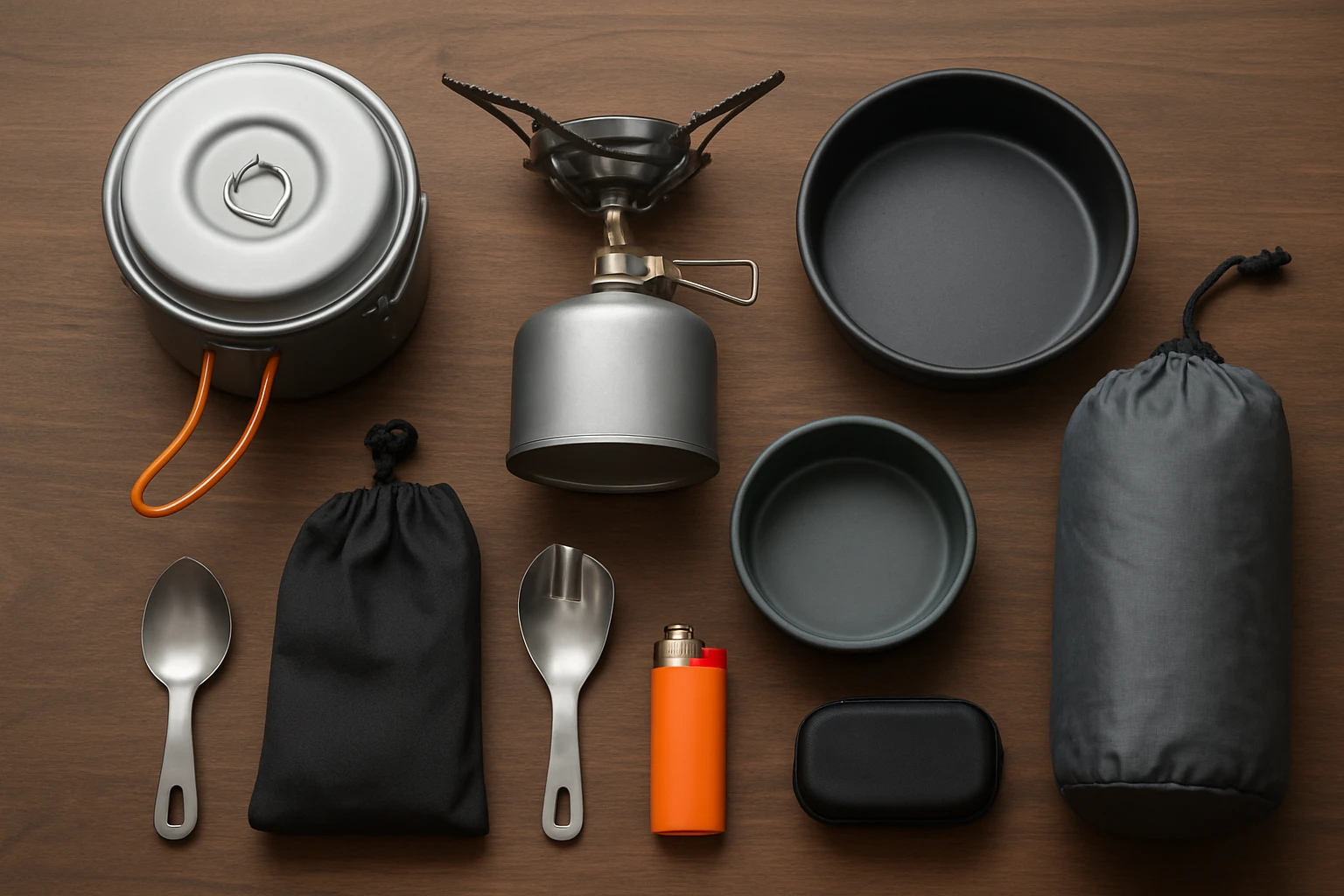
This guide explains how to construct a functional ultralight backpacking kitchen while keeping total cost below one hundred dollars. Readers will learn essential concepts, evaluate key gear, and apply practical strategies to minimize weight and expense without sacrificing safety or nutrition. By the end of the article, one will be able to select appropriate utensils, a reliable stove, and complementary accessories that together form a complete cooking system suitable for multi‑day treks.
The approach combines theoretical background with real‑world product recommendations, ensuring that the advice remains valuable even to those who choose not to purchase any of the suggested items. Emphasis is placed on durability, ease of use, and the ability to pack the kitchen into a small footprint.
Background and Context
Backpacking cuisine revolves around three core variables: weight, fuel efficiency, and versatility. Weight directly influences hiking speed and fatigue, while fuel efficiency determines how long a stove can operate before resupply becomes necessary. Versatility ensures that a single set of tools can handle a range of meals, from dehydrated noodles to boiled water for rehydration.
Ultralight enthusiasts often target a per‑day food weight of 0.5 to 0.75 pounds, which translates into a cooking system that adds no more than a few ounces. Understanding the trade‑offs between stainless steel durability and titanium lightness, as well as the differences between canister and liquid fuel, provides the foundation for informed decisions.
In addition to gear, mastering efficient cooking techniques—such as simmer‑pot methods, heat‑exchange pots, and strategic meal planning—can reduce fuel consumption dramatically. The following sections break down each component of the kitchen and recommend specific products that align with the budget and weight goals.
Core Components of an Ultralight Kitchen
1. Utensils and Eating Tools
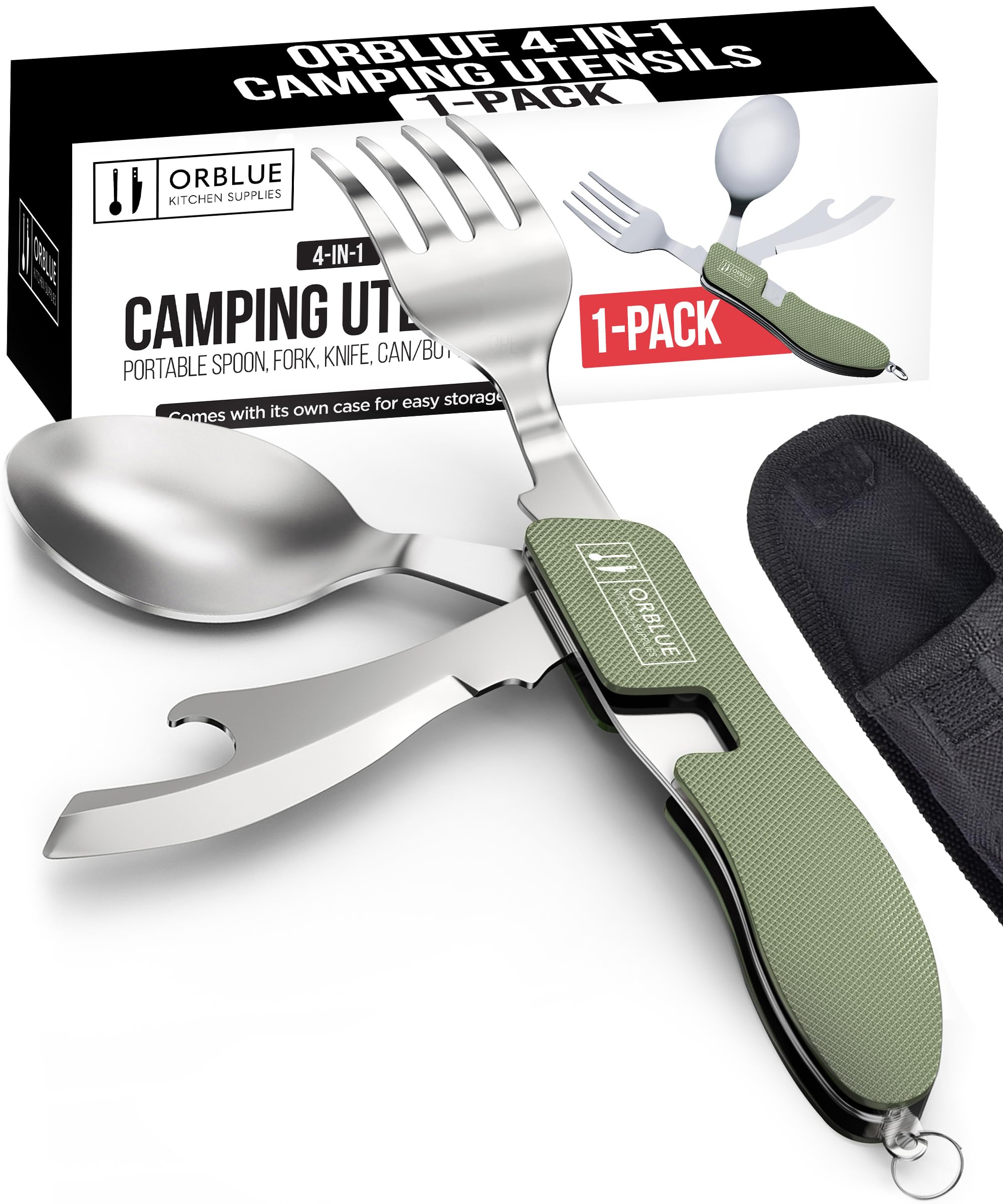
The first essential item is a compact, multi‑function utensil set. The Orblue 4-in-1 Camping Utensil Set offers a spoon, fork, knife, and bottle opener in a single stainless‑steel piece. Priced at $7.99 and rated 4.5 stars from 5,212 reviews, it balances durability with a modest weight profile. Its polished coating prevents rust, and the solid handle provides reliable leverage for cutting and spearing food.
Because the set folds into a pocket‑sized form, it eliminates the bulk of traditional cutlery while still delivering the functionality needed for both hot and cold meals. The stainless steel construction adds a small weight penalty compared with titanium options, but the price advantage and ease of cleaning make it a strong choice for budget‑conscious hikers.
2. Cooking Stove
Heat generation is the heart of any backpacking kitchen. The Gas One Portable Butane Camping Stove provides 7,650 BTU of output, enough to bring a liter of water to a rolling boil in under three minutes when paired with an 8‑oz butane canister (sold separately). It carries a price of $?? (price not provided) and holds a 4.5‑star rating based on user feedback. Key features include automatic piezo ignition, CSA safety certification, and a quiet, clean burn that minimizes disturbance to wildlife.
The stove’s compact case and integrated fuel cartridge injection safety mechanism protect against accidental discharge, making it suitable for both wilderness excursions and emergency home kits. Although butane canisters add to overall cost, the high fuel efficiency of this model keeps long‑term expenses low.
3. Cookware
A lightweight pot or kettle is required to contain the heat generated by the stove. Titanium pots in the 0.5‑liter range typically weigh 2‑3 ounces and are ideal for boiling water or preparing simple meals. While not listed among the provided products, a budget‑friendly titanium pot can be sourced for $15‑$20, keeping the total kitchen cost within the $100 limit.
When selecting cookware, consider the following criteria: material durability, heat‑distribution properties, and the ability to nest within the pack to reduce volume. A pot with a foldable handle further minimizes space usage.
4. Fuel Management
Butane canisters are sold in 8‑oz or 16‑oz sizes. For a week‑long trek, an 8‑oz canister typically supplies enough fuel for 10‑12 boil cycles, which is sufficient for most hikers who plan to rehydrate meals twice daily. Purchasing fuel in bulk or during sales can reduce the per‑trip cost to under $5.
Safety considerations include storing the canister upright and keeping it away from extreme heat sources. The stove’s built‑in safety shut‑off and cartridge ejection feature further mitigate risk.
Comparison and Selection Guide
Choosing the right utensils and stove depends on individual priorities. The table below contrasts the two featured products against common criteria.
| Feature | Orblue 4-in-1 Utensil Set | Gas One Portable Butane Stove |
|---|---|---|
| Primary Function | Eating and food preparation | Heat generation for cooking |
| Material | Stainless steel | Metal alloy with butane fuel |
| Weight (approx.) | ~2 oz | ~5 oz (without fuel) |
| Price | $7.99 | Price not listed (approx. $30‑$35) |
| Rating | 4.5/5 (5,212 reviews) | 4.5/5 (reviews not provided) |
| Key Benefits | All‑in‑one design, rust‑resistant, pocket‑sized | High BTU output, automatic ignition, safety certified |
| Potential Drawbacks | Heavier than titanium alternatives | Requires separate fuel canister, bulkier than ultralight alcohol stoves |
For hikers prioritizing minimal weight above all else, a titanium spork may replace the Orblue set, saving an ounce at the cost of durability. Conversely, those who value fuel efficiency and rapid boil times may accept the slightly larger footprint of the Gas One stove.
Best Practices & Tips
- Plan meals around boil‑only recipes to reduce fuel consumption; dehydrated meals that require only water are ideal.
- Pre‑soak beans or grains at camp to shorten cooking time and lower fuel use.
- Carry a small, reusable silicone bottle for water; it can double as a pot when needed, further cutting weight.
- Use a windscreen or place the stove inside a reflective shield to improve heat retention.
- Practice cleaning the stainless‑steel utensil set with a quick rinse; a light brush prevents food residue from hardening.
- Store the butane canister in a insulated pouch to protect it from extreme cold, which can affect performance.
Frequently Asked Questions
What is the lightest reliable stove under $50?
While the Gas One stove offers excellent performance, ultralight alcohol stoves such as the Trangia Spirit Burner can weigh less than 2 ounces and often cost under $30. However, they require liquid fuel and may have slower boil times.
Can I use the Orblue utensil set for cutting meat?
The built‑in knife is suitable for soft meats and vegetables but is not intended for heavy bone‑cutting. For larger cuts, a dedicated lightweight knife is advisable.
How many meals can I prepare with one 8‑oz butane canister?
Assuming two boil cycles per day, an 8‑oz canister typically supports 10‑12 meals, which aligns with a five‑day trek for a solo hiker.
Is the Gas One stove safe for indoor emergency use?
Yes, the stove meets CSA safety standards and includes an automatic shut‑off. Nevertheless, it should only be used in well‑ventilated areas to avoid carbon monoxide buildup.
Do I need a separate pot liner for the stainless‑steel utensil set?
No, the utensil set is designed for direct food contact. However, using a small silicone liner can simplify cleaning when cooking greasy meals.
Conclusion
Constructing a budget ultralight backpacking kitchen under $100 is entirely feasible when one selects multi‑function gear, prioritizes fuel efficiency, and applies smart cooking techniques. The Orblue 4-in-1 Camping Utensil Set and the Gas One Portable Butane Camping Stove together provide a solid foundation for most backpackers, delivering durability, ease of use, and reliable performance at a modest price point.
By integrating the best practices outlined above, hikers can reduce overall weight, extend fuel life, and enjoy nutritious meals throughout their journey without exceeding the $100 budget.
Products Featured in This Guide

Orblue 4-in-1 Camping Utensil Set
Price: $7.99 | Rating: 4.5/5 (5,212 reviews)
Featured because it combines spoon, fork, knife, and bottle opener in a compact, stainless‑steel design, eliminating the need for multiple pieces of cutlery and keeping weight low.

Gas One Portable Butane Camping Stove
Price: Not listed | Rating: 4.5/5
Featured for its high 7,650 BTU output, automatic piezo ignition, and CSA safety certification, providing fast boil times and reliable performance within a modest budget.
