
The Ultimate Guide to Packing an Ultralight, No-Fuel Travel Kitchen for International Flights
Introduction
International air travel imposes strict weight limits and security regulations, making a compact, fuel‑free kitchen essential for long‑term adventurers. This guide explains how to select lightweight cookware, utensils, and accessories that comply with airline policies while delivering reliable performance in the field. Readers will learn foundational concepts, step‑by‑step packing strategies, and how specific products such as the Lengnoyp Travel Utensils Set and the TOAKS Titanium Pot with Pan fit into an ultralight system. By the end of the article, one will be equipped to travel internationally with a kitchen that weighs less than a kilogram and requires no fuel.
Background and Context
Airlines typically charge for checked baggage by weight, and many carriers restrict the transport of liquid fuels, lighters, and bulky items. Consequently, hikers, backpackers, and digital nomads must rely on cookware that can be heated using external sources such as camp stoves, portable burners, or even hot water immersion. Titanium and stainless steel dominate the market because they combine durability with low density, offering high strength‑to‑weight ratios. Understanding the trade‑offs between material, capacity, and nesting ability is crucial for creating a system that maximizes space while minimizing weight.
In addition to cookware, utensil selection influences overall comfort and hygiene. Reusable metal utensils eliminate the need for disposable plastic, reduce waste, and often feature ergonomic designs that suit both adult and student users. When paired with a protective case, they become a travel‑ready component that can survive the rigors of airport handling.
Key Components of an Ultralight No‑Fuel Kitchen
Below are the essential categories that form a functional kitchen without carrying fuel. Each section includes a brief explanation, strategic considerations, and product recommendations where appropriate.
1. Cookware
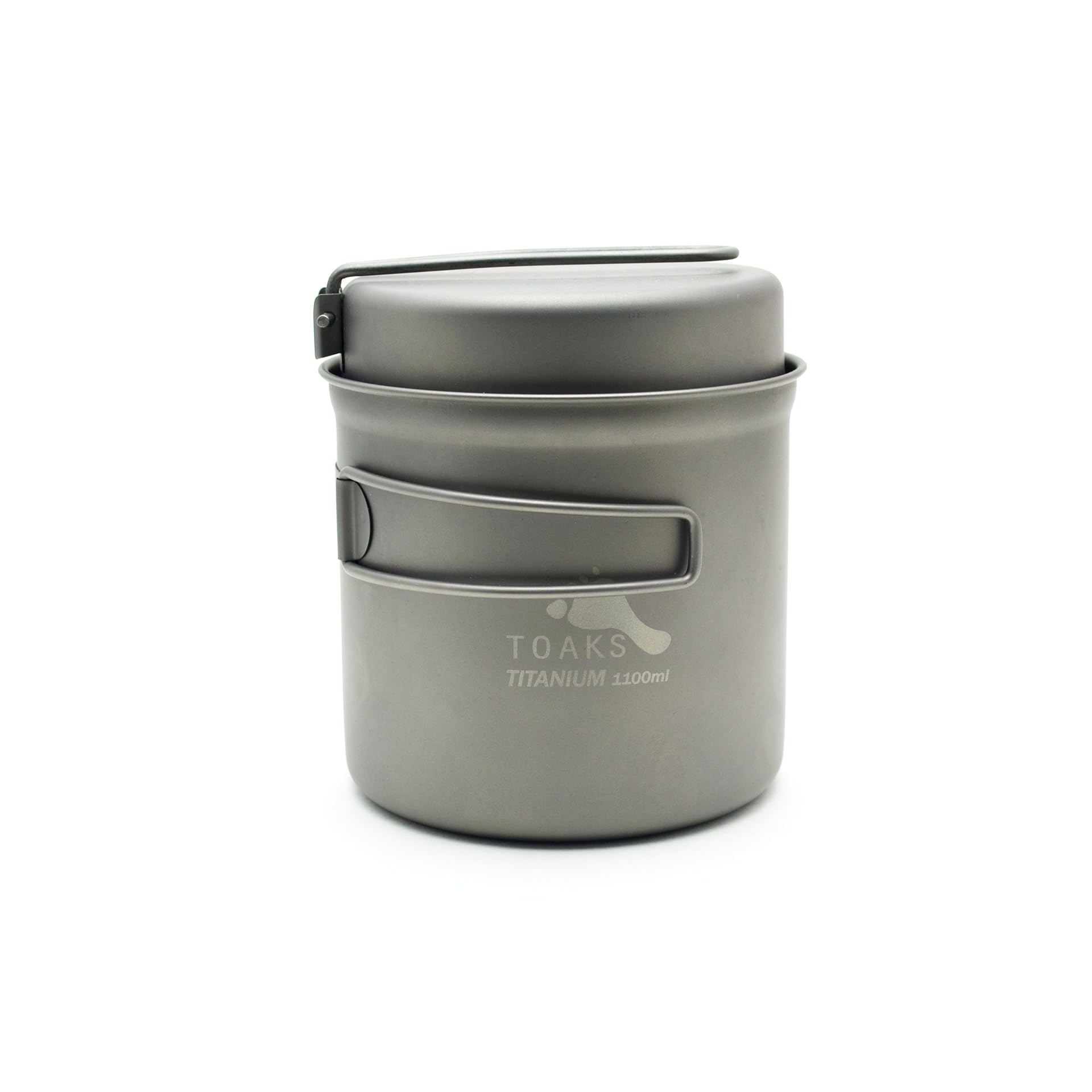
The cornerstone of any kitchen is a pot or pan that can hold water, heat meals, and nest efficiently. The TOAKS Titanium Pot with Pan exemplifies an ultralight solution, weighing only 5.6 oz (159 g) while offering a 1100 ml pot and a 280 ml pan. Its titanium construction resists corrosion, provides excellent heat distribution, and includes gradation marks for precise liquid measurement. The pot nests inside a larger 1600 ml model, allowing travelers to expand capacity without adding extra weight.
When selecting cookware, prioritize the following criteria:
- Material: Titanium for the best weight‑to‑strength ratio; stainless steel for lower cost.
- Capacity: Choose a pot that holds at least 1 liter of water for rehydrating meals.
- Nesting: Ensure the pot can fit inside other gear to save space.
- Compatibility: Verify that the pot works with your chosen heating method, such as a portable alcohol stove.
2. Utensils
While many travelers rely on disposable plastic cutlery, a reusable set offers durability and environmental benefits. The Lengnoyp Travel Utensils Set includes a stainless‑steel knife, fork, spoon, and a transparent carrying case, all weighing under 100 g total. The stainless steel material enhances surface hardness, preventing scratches and extending the set’s lifespan. Its simple design provides a comfortable grip for both adults and students, making it suitable for a wide range of dining scenarios.
Key considerations for utensil selection include:
- Material: Stainless steel for durability; titanium for ultra‑lightweight options.
- Portability: A compact case prevents loss and protects the blades.
- Ease of cleaning: Smooth surfaces reduce food residue buildup.
- Versatility: A multi‑piece set covers most eating situations.
3. Lightweight Containers and Bags
Reusable silicone bags, collapsible water bottles, and zip‑lock pouches provide storage for dry foods, spices, and leftovers. Look for containers that can be flattened when empty, as this characteristic significantly reduces packed volume. A common strategy is to allocate a dedicated “food bag” that nests inside the main backpack’s side pocket, keeping kitchen items separate from clothing and electronics.
4. Heating Solutions (External to Kitchen)
Since the guide focuses on a no‑fuel kitchen, the heating source is assumed to be supplied externally, such as a lightweight alcohol stove, a solid‑fuel tablet system, or a campfire where permitted. Ensure the chosen stove complies with airline regulations for checked luggage, typically requiring the fuel canister to be empty and the stove to be disassembled.
Comparison and Selection Guide
The table below compares the two featured products against typical alternatives, helping readers decide which option aligns with their travel style.
| Feature | TOAKS Titanium Pot with Pan | Typical Aluminum Pot | Standard Plastic Container |
|---|---|---|---|
| Material | Titanium (high strength, corrosion‑resistant) | Aluminum (light but prone to denting) | Polypropylene (heavier, not heat‑safe) |
| Weight | 5.6 oz (159 g) | ~8 oz (227 g) | ~9 oz (255 g) |
| Capacity | Pot 1100 ml, Pan 280 ml | Pot 1200 ml, Pan 300 ml | Varies, often single‑compartment |
| Durability Rating | 4.7/5 (762 reviews) | 4.2/5 (approx.) | 3.8/5 (approx.) |
| Nesting Ability | Can nest inside larger TOAKS models | Limited nesting | None |
| Price | $48.95 | $30‑$40 | $10‑$15 |
For travelers prioritizing weight and durability, the TOAKS titanium option clearly outperforms aluminum and plastic alternatives despite a higher price point. Those on a tighter budget may accept a slightly heavier aluminum pot, but should be aware of potential denting and reduced corrosion resistance.
When comparing utensils, the Lengnoyp Travel Utensils Set offers a compelling balance of price, durability, and convenience:
| Feature | Lengnoyp Travel Utensils Set | Standard Plastic Cutlery | Other Metal Sets |
|---|---|---|---|
| Material | Stainless steel | Polystyrene (single‑use) | Titanium (lighter, pricier) |
| Weight | ~80 g total | ~30 g (but disposable) | ~70 g |
| Price | $5.84 | $0.10 per set | $12‑$15 |
| Rating | 4.7/5 (1,625 reviews) | 2.5/5 (few reviews) | 4.4/5 (approx.) |
| Case Included | Yes, transparent | No | Varies |
The stainless‑steel set delivers superior durability for a fraction of the cost of premium titanium alternatives, making it an ideal choice for most travelers.
Best Practices & Tips for an Ultralight No‑Fuel Kitchen
- Plan Meals Around Weight. Choose dehydrated meals that require only water, reducing the need for heavy cooking oil or sauces.
- Utilize Multi‑Purpose Gear. A pot that doubles as a pan, like the TOAKS model, eliminates the need for separate cookware.
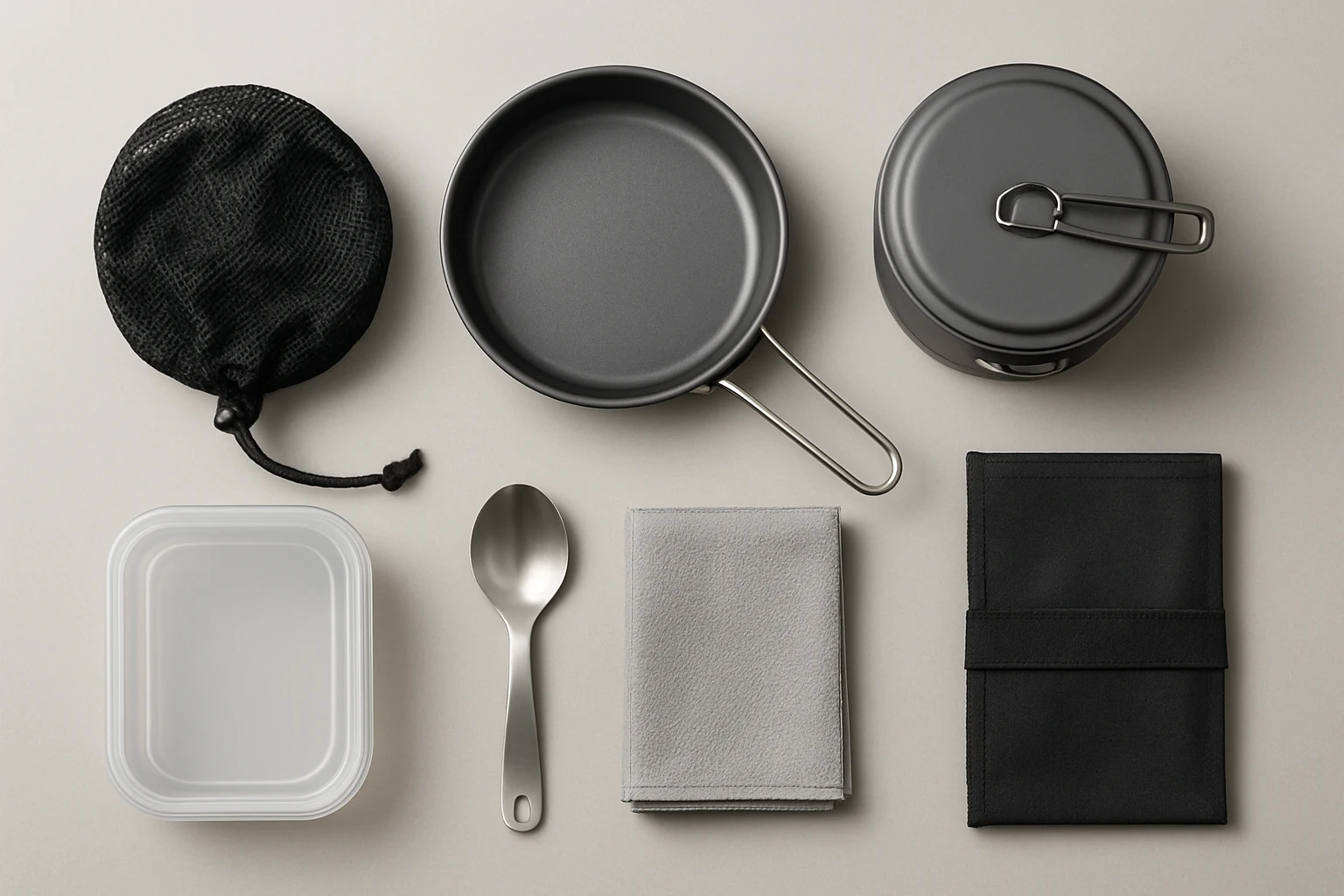
- Pack Nested Sets. Store the pot inside its mesh sack, then place the utensil case on top; this creates a compact bundle that fits into a side pocket.
- Consider Weight Distribution. Position heavier items (pot, stove) close to the spine of the backpack to maintain balance during long flights and hikes.
- Follow Airline Regulations. Remove any fuel canisters from checked luggage, and ensure that metal cookware does not trigger security alarms by placing it in a clear bag.
- Maintain Hygiene. Rinse utensils with a small amount of water after each use; the stainless‑steel finish of the Lengnoyp set resists bacterial growth.
- Test Before Departure. Assemble and use the entire kitchen system at home to identify any missing parts or compatibility issues.
Frequently Asked Questions
- Can I bring the TOAKS titanium pot in my carry‑on?
- Yes, the pot weighs less than 200 g and contains no liquids, so it complies with most airlines' carry‑on restrictions.
- Is the Lengnoyp utensil set dishwasher safe?
- The stainless‑steel construction is safe for dishwashers, but hand washing with mild soap extends its lifespan.
- How do I heat water without a fuel source?
- Use a portable electric kettle that plugs into a hotel outlet, or rely on hot water from a hostel’s kitchen when available.
- What is the best way to reduce the weight of my kitchen further?
- Consider replacing the stainless‑steel utensils with a titanium set, and select a single‑wall pot instead of a double‑wall model.
- Can I use the TOAKS pot on an open flame?
- Yes, titanium tolerates open flames and is ideal for campfires, but always monitor the pot to avoid overheating.
- Do the included gradation marks work with metric measurements?
- The pot features liter markings, which correspond directly to metric units; each 0.25 L increment is clearly visible.
Conclusion
Creating an ultralight, no‑fuel travel kitchen for international flights requires careful selection of materials, smart packing strategies, and compliance with airline regulations. By choosing high‑performance items such as the TOAKS Titanium Pot with Pan and the Lengnoyp Travel Utensils Set, travelers can reduce overall weight while maintaining functionality and durability. The best practices outlined in this guide empower adventurers to travel lighter, eat better, and focus on the journey rather than the logistics of their meals.
Products Featured in This Guide
Lengnoyp Travel Utensils Set
Price: $5.84 | Rating: 4.7/5 (1,625 reviews)
Featured for its lightweight stainless‑steel construction, ergonomic design, and protective transparent case, making it ideal for compact, reusable dining on the go.
TOAKS Titanium Pot with Pan
Price: $48.95 | Rating: 4.7/5 (762 reviews)
Featured for its ultra‑light titanium build, dual‑capacity design, and nesting capability, providing a versatile cooking solution that meets airline weight constraints.