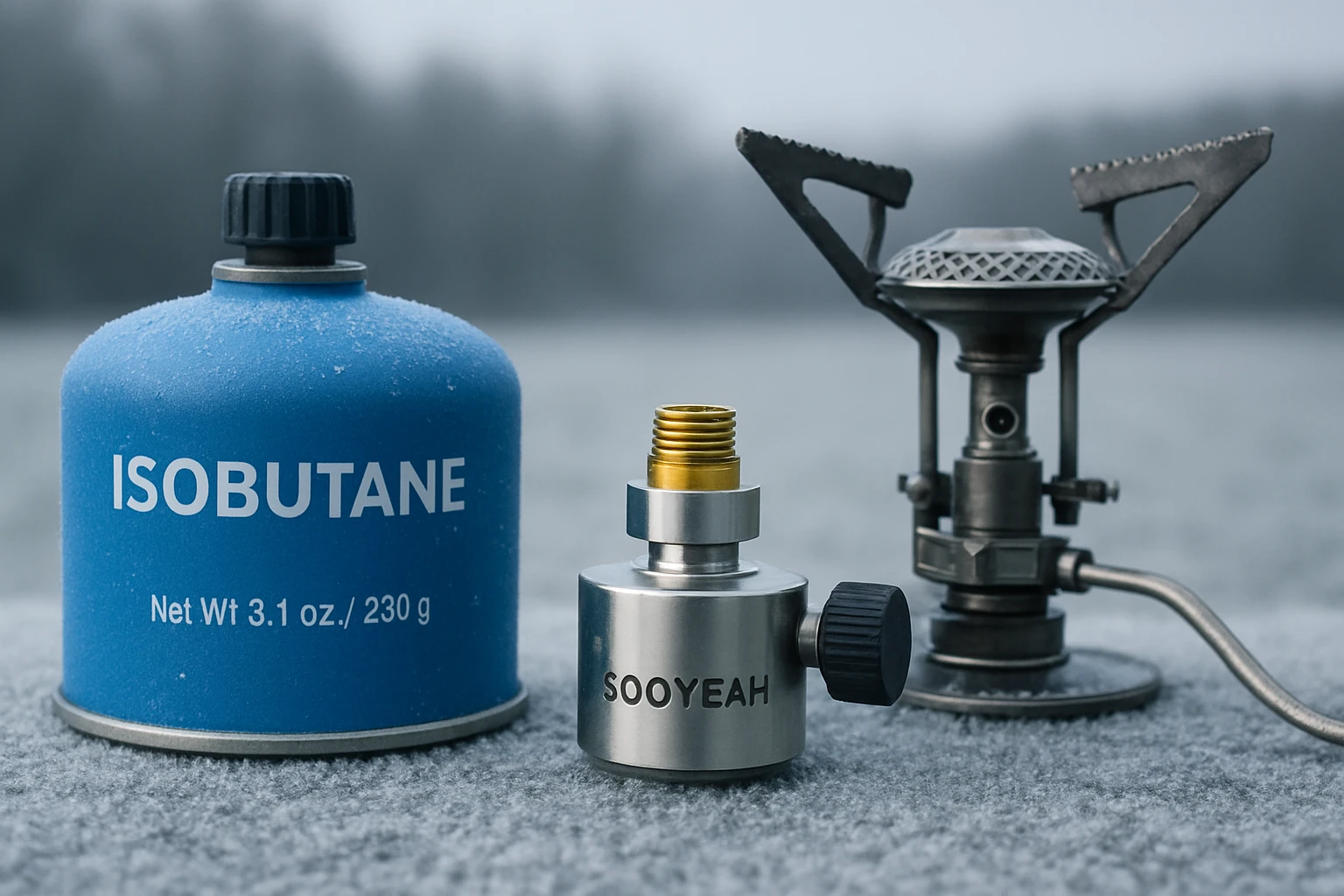
The Ultimate Guide to Using Isobutane Canisters Below Freezing: Cold‑Weather Tips, Tricks & Safety
Introduction
Outdoor enthusiasts frequently encounter temperatures that drop well below the freezing point of water. In such conditions, the performance of isobutane fuel canisters becomes a critical factor for reliable stove operation. This guide explains the physical principles that affect isobutane in cold weather, outlines preparation techniques, and presents safe refilling methods. Readers will learn how to select appropriate accessories, apply best‑practice safety measures, and troubleshoot common problems that arise when cooking in sub‑zero environments.
The information presented is based on scientific principles, field experience, and verified product data. By the end of this article, one will possess a comprehensive toolkit for maintaining consistent heat output while minimizing risk.
Background and Context
Isobutane (C4H10) is a hydrocarbon fuel that vaporizes at approximately -11.7°C (11.0°F). When ambient temperature falls below this vaporization point, the fuel transitions from a gaseous to a liquid state, reducing the pressure inside the canister and consequently diminishing stove performance. The Lindal valve, standardized under EN 417, regulates fuel flow and prevents accidental leakage.
Two primary variables influence canister performance in cold weather: internal pressure and heat transfer. Internal pressure is directly related to temperature according to the ideal gas law; lower temperatures produce lower pressure. Heat transfer becomes significant when the canister is in contact with cold surfaces, accelerating heat loss. Understanding these concepts enables one to mitigate performance loss through proper storage, handling, and refilling techniques.
Understanding Isobutane Canisters in Cold Weather
When a canister is exposed to temperatures below its boiling point, the fuel inside remains largely liquid. The stove draws fuel through the valve, and the limited vapor pressure can cause flame instability, reduced heat output, or complete flame failure. The following strategies address these challenges:
- Pre‑warm the canister using body heat, insulated sleeves, or external heat sources before ignition.
- Store canisters in insulated containers to maintain a temperature above the vaporization threshold.
- Utilize a fuel‑conserving stove head that operates efficiently at lower pressures.
Each strategy reduces the temperature differential between the fuel and the surrounding environment, thereby preserving vapor pressure.
Preparing Equipment for Sub‑Zero Conditions
Preparation begins with selecting gear that tolerates extreme cold. Stoves with robust construction and reliable regulators are preferred. Insulated canister sleeves, often made of neoprene or reflective material, provide an additional thermal barrier. Moreover, having a reliable windscreen helps concentrate heat around the burner, improving combustion efficiency.
It is advisable to test the complete cooking setup in a controlled cold environment before embarking on a remote expedition. This practice reveals any compatibility issues between the stove, canister, and ancillary accessories.
When traveling, keep canisters upright and avoid exposing them to direct wind. Placing them in the interior of a backpack, surrounded by clothing, creates a makeshift thermal buffer.
Refilling Strategies with the SOOYEAH Isobutane Gas Refill Adapter
The SOOYEAH Isobutane Gas Refill Adapter enables users to transfer fuel from larger containers to standard EN 417 canisters, thereby extending the utility of inexpensive butane cartridges. The adapter features a built‑in relief vent that reduces internal pressure during transfer, minimizing the risk of over‑pressurization.
Key specifications include a price of $21.00, a rating of 4.6 out of 5 stars based on 345 reviews, and an in‑stock status. The adapter comes with a storage bag for portability and integrates a nozzle input with an EN 417 Lindal valve output, allowing seamless conversion between butane and isobutane formats.
To use the adapter safely in cold weather, follow these steps:
- Warm the source container (e.g., a 8 oz butane cartridge) to a temperature above 0°C to ensure adequate vapor pressure.
- Attach the adapter to the source container, ensuring the relief vent button is accessible.
- Place the target EN 417 canister in an insulated sleeve to maintain a temperature above the fuel’s boiling point.
- Open the source valve slowly; monitor the pressure relief button and engage it only if the filling rate becomes excessively rapid.
- When the target canister is filled to approximately 80 % of its capacity, close the source valve and allow the canister to equilibrate to ambient temperature before use.
These precautions prevent over‑filling, which can lead to fuel expansion and potential leakage when the canister is later subjected to temperature fluctuations.
Choosing the Right Refilling System
When evaluating refilling accessories, consider the following criteria:
| Criterion | Why It Matters |
|---|---|
| Compatibility with EN 417 valves | Ensures a secure connection and prevents fuel loss. |
| Integrated pressure relief | Reduces the risk of over‑pressurization during transfer. |
| Portability | Facilitates transport on multi‑day treks. |
| Price‑to‑performance ratio | Balances cost against durability and feature set. |
The SOOYEAH Isobutane Gas Refill Adapter excels in each of these areas, offering a high rating, reasonable price, and functional design that addresses the specific needs of cold‑weather refilling.
Alternative solutions, such as dedicated bulk canister pumps, may provide faster transfer rates but often lack built‑in pressure relief and can be more expensive. For most backcountry users, the SOOYEAH adapter represents the optimal balance of safety, cost, and convenience.
Best Practices and Safety Tips
Beyond equipment selection, disciplined habits are essential for safe operation:
- Always inspect canisters for dents, corrosion, or compromised valves before use.
- Never refill a canister that has been previously damaged or exposed to extreme impact.
- Conduct refilling in a well‑ventilated area away from open flames or sparks.
- Store filled canisters upright and avoid stacking them, which can cause uneven pressure distribution.
- Carry a fire‑extinguishing tool, such as a small sand bucket, when cooking with liquid fuel.
When traveling in sub‑zero environments, consider the following additional measures:
- Wrap the canister in a thermal blanket before placing it in a backpack.
- Use hand‑warmers placed near the canister to maintain a minimal temperature gradient.
- Plan cooking sessions during the warmest part of the day to reduce the impact of low ambient temperatures.
Adhering to these practices mitigates the risk of fuel leaks, fire hazards, and equipment failure.
Frequently Asked Questions
- 1. Why does my stove sputter when the temperature is below -10°C?
- The fuel inside the canister remains largely liquid, reducing vapor pressure and causing irregular flame output. Warm the canister before ignition to restore pressure.
- 2. Can I use a regular butane cartridge with the adapter in freezing conditions?
- Yes, provided the source cartridge is warmed above 0°C before transfer. The adapter’s relief vent helps manage pressure spikes during the process.
- 3. Is it safe to store a partially filled canister in a freezer?
- No. Freezing can cause fuel expansion, leading to valve damage or rupture. Store canisters at temperatures above the fuel’s freezing point.
- 4. How often should I inspect the relief vent on the adapter?
- Inspect the vent before each refilling session. Ensure the button moves freely and that no debris obstructs its operation.
- 5. What is the maximum safe fill level for an EN 417 canister?
- Filling to approximately 80 % of the canister’s volume allows for thermal expansion and prevents over‑pressurization when temperatures rise.
- 6. Does altitude affect the performance of isobutane canisters?
- Higher altitude reduces atmospheric pressure, which can further lower fuel vapor pressure. Combine altitude considerations with cold‑weather strategies for optimal performance.
Conclusion
Effective use of isobutane canisters in freezing environments requires an understanding of thermodynamic principles, careful equipment preparation, and disciplined safety habits. The SOOYEAH Isobutane Gas Refill Adapter provides a reliable method for extending fuel supplies while maintaining safety through its built‑in pressure relief and EN 417 compatibility. By applying the strategies outlined in this guide, one can enjoy consistent stove performance, conserve resources, and reduce the likelihood of hazardous incidents during cold‑weather excursions.
Products Featured in This Guide
SOOYEAH Isobutane Gas Refill Adapter
Price: $21.00
Rating: 4.6 out of 5 stars (345 reviews)
Featured because it enables cost‑effective refilling of standard EN 417 canisters, incorporates a pressure‑relief vent, and is highly rated for durability and ease of use.