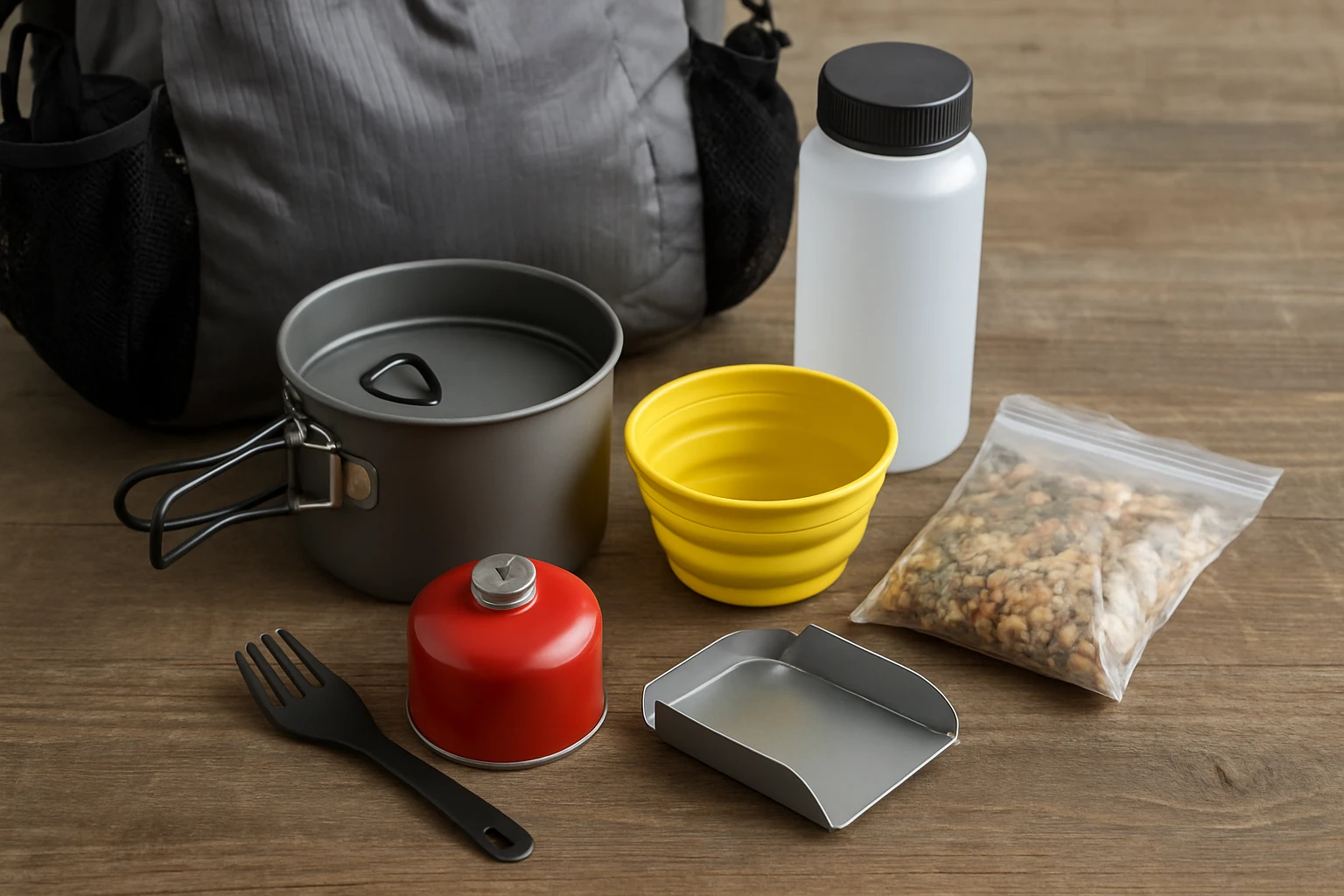
Thru-Hike Resupply-Friendly Ultralight Kitchen Checklist: The Ultimate Guide to Minimalist Cooking, Gear & Meal Planning
Introduction
Long‑distance hikers often underestimate the impact of kitchen weight on overall mileage. This guide explains how to construct a kitchen that remains lightweight while still supporting nutritious meals and reliable resupply points. Readers will learn foundational concepts, product recommendations, a comparison matrix, and actionable tips for staying efficient on the trail. By the end of the article, hikers will have a clear checklist that balances minimalism with practicality.
Background/Context
Ultralight backpacking is defined by a focus on reducing every gram that does not directly contribute to safety or progress. Kitchen gear typically accounts for 5‑10% of a thru‑hiker’s pack weight, making careful selection essential. Resupply‑friendly cooking means choosing equipment that can be replenished or replaced cheaply along the route, reducing the need to carry excess fuel or bulkier pots. Understanding heat‑exchange principles, fuel efficiency, and modular design is the foundation for an optimal setup.
Ultralight Cookware Essentials
Core cooking components include a stove, pot, and a lightweight mess kit. The stove must ignite reliably, burn cleanly, and fit within a compact fuel canister. The pot should provide sufficient volume for two to three meals while employing heat‑exchange technology to minimize fuel consumption. A mess kit that combines bowls, utensils, and a cleaning tool reduces the number of individual items carried.
For hikers who prefer an all‑in‑one solution, the Bisgear 16pc Camping Cookware Set offers a comprehensive kit that includes a stove, two pans, two bowls, a bamboo spatula, and a loofah scrubber. Priced at $19.99, it holds a 4.6‑star rating from over 2,600 reviewers, indicating strong overall satisfaction. The set’s drawstring mesh bag keeps the components organized and protects them from moisture. Although slightly heavier than a minimalist pot‑only approach, the versatility of the included accessories makes it a solid choice for beginners and seasoned hikers alike.
When a dedicated pot is preferred, the Bulin 1.5L Camping Cooking Pot delivers high efficiency through a bottom heat‑exchange ring that reduces boiling time by up to 30 percent. At $34.99 and a 4.5‑star rating from 271 users, it balances durability with a lightweight aluminum construction. The foldable, heat‑proof handle enables safe transport and compact storage, while the 1.5‑liter capacity is ideal for two‑person meals. Its design mirrors more expensive heat‑exchange models, providing advanced performance without the premium price tag.
In addition to cooking vessels, a stable surface can improve safety and comfort. The Grope Portable Folding Camping Table offers a lightweight aluminum frame that supports up to 55 pounds. Priced at $22.99 with a 4.1‑star rating from 170 reviewers, it folds into a compact bag and measures 15.6 × 13.6 × 13 inches in its smallest configuration. The table’s anti‑scratch finish and easy‑setup hinge make it suitable for cooking, meal prep, or simply holding a coffee mug at a campsite.
Cooking Systems & Fuel Management
Fuel efficiency is a critical factor for resupply‑friendly hikers, as every gram of fuel saved translates into additional mileage. Heat‑exchange pots, such as the Bulin model, capture residual heat from the stove flame, allowing water to boil faster and using less fuel per cup. Pairing a heat‑exchange pot with a canister stove that offers adjustable flame control maximizes this advantage.
When using the Bisgear set, hikers benefit from the included stove’s quick‑pierce ignition and flame‑adjustment arm. Reviewers note that the burner reaches boiling temperatures rapidly when the lid is applied, and that a tripod stand can improve stability on uneven terrain. Carrying a spare lighter is recommended because the built‑in igniter may be intermittent under cold conditions.
Resupply points often provide fuel canisters in standard 100‑gram sizes. Planning to refill every 3‑4 days reduces the need to carry excess fuel, but hikers should also keep a small emergency reserve. A compact fuel bottle that attaches to the outside of a pack can hold an additional 50‑gram canister without significantly affecting balance.
Meal Planning & Resupply Strategies
Effective meal planning revolves around calorie density, preparation time, and the ability to restock at trail towns. Dehydrated meals, instant oatmeal, and freeze‑dried fruit offer high energy per gram and require minimal cooking time. Pairing these with a lightweight pot enables quick boiling and reduces the need for extensive cleanup.
For resupply‑friendly routes, hikers should identify grocery stores, outdoor retailers, or even local farms that sell bulk staples such as rice, pasta, and beans. Purchasing these items in small, resealable bags reduces waste and allows for incremental weight adjustments. The Bisgear set’s multiple bowls make it easy to portion meals on the trail, while the Grope table provides a stable platform for food preparation in cramped campsite spaces.
When cooking for two, a 1.5‑liter pot is sufficient for soups, pasta, and boiled meals. The Bulin pot’s heat‑exchange ring ensures that a 0.5‑liter portion of water reaches a boil in under two minutes, conserving fuel for later meals. By aligning meal portions with pot capacity, hikers avoid over‑filling and spilling, which can waste both food and fuel.
Comparison/Selection Guide
| Feature | Bisgear 16pc Set | Grope Folding Table | Bulin 1.5L Pot |
|---|---|---|---|
| Primary Function | Complete mess kit with stove | Portable cooking surface | Heat‑exchange cooking pot |
| Weight (approx.) | ~450 g | Small: 0.84 kg; Medium: 1.18 kg; Large: 1.5 kg | ~300 g |
| Price | $19.99 | $22.99 | $34.99 |
| Amazon Rating | 4.6/5 (2,608 reviews) | 4.1/5 (170 reviews) | 4.5/5 (271 reviews) |
| Key Advantage | All‑in‑one solution; includes utensils and cleaning tool | Stable, lightweight surface for cooking and dining | Fast boiling; fuel‑efficient heat exchange |
| Potential Drawback | Heavier than a single pot; burner stability varies | Limited height for taller chairs; duplicate feature listings | No built‑in stove; handle may feel loose when full |
Choose the Bisgear set if you desire a self‑contained kitchen with minimal additional purchases. Opt for the Grope table when a dedicated workspace improves safety and comfort, especially on uneven terrain. Select the Bulin pot if fuel efficiency and rapid boiling are top priorities and you already own a reliable stove.
Best Practices & Tips
- Test all equipment at home before hitting the trail; practice assembling the stove and table to avoid surprises.
- Carry a small lighter or matches as a backup ignition source for the Bisgear stove.
- Use the bamboo spatula from the Bisgear kit to stir without scratching non‑stick surfaces.
- When using the Bulin pot, place the heat‑exchange ring directly on the stove flame for optimal heat capture.
- Fold the Grope table and secure it in its drawstring bag to protect the legs during transport.
- Pack a lightweight, collapsible sink (e.g., silicone basin) to clean dishes using minimal water.
- Rotate food storage bags weekly to keep the heaviest items near the pack’s center of gravity.
FAQ
- Can I use the Bisgear stove with any type of fuel canister? The stove is designed for standard butane/propane mix canisters; it pierces the container and ignites quickly. Always verify the canister size matches the stove’s connector.
- Is the Grope table stable on soft ground? Yes, the triangular frame and foot caps distribute weight evenly, allowing stable use on sand, snow, or forest floor.
- How does the heat‑exchange ring in the Bulin pot improve efficiency? The ring captures residual heat from the flame and redirects it into the pot, reducing fuel consumption by up to 30 % compared with conventional pots.
- What is the best way to clean the loofah sponge in the Bisgear set? Rinse it with warm water after each use; the natural fibers break down quickly and can be replaced affordably.
- Can I replace the handle on the Bulin pot if it feels loose? The handle screws onto a molded insert; a simple tightening with a small screwdriver restores stability.
- How much weight does the entire kitchen setup add to my pack? Combining the Bisgear set (~450 g), Grope table (small size ~380 g), and Bulin pot (~300 g) results in roughly 1.13 kg, which is reasonable for a thru‑hiker focused on resupply efficiency.
- Do any of these products come with a warranty? All three items are sold by reputable Amazon sellers; most include a standard 30‑day return policy and manufacturer warranties ranging from 6 months to 1 year.
Conclusion
Building a resupply‑friendly ultralight kitchen requires thoughtful selection of cookware, a stable work surface, and efficient fuel use. The Bisgear 16pc Set, Grope Portable Folding Table, and Bulin 1.5L Pot each address a specific need within this ecosystem, allowing hikers to tailor their setup to personal preferences and trail conditions. By applying the best‑practice tips and leveraging the comparison guide, hikers can reduce pack weight, conserve fuel, and enjoy nutritious meals throughout a long‑distance trek.
Products Featured in This Guide
Bisgear 16pc Camping Cookware Set
Price: $19.99 | Rating: 4.6/5 (2,608 reviews)
Featured for its all‑in‑one mess kit, reliable stove, and inclusion of utensils that eliminate the need for separate purchases.
Grope Portable Folding Camping Table
Price: $22.99 | Rating: 4.1/5 (170 reviews)
Featured for its lightweight aluminum construction, 55‑lb weight capacity, and compact carry bag that fits easily in a backpack.
Bulin 1.5L Camping Cooking Pot
Price: $34.99 | Rating: 4.5/5 (271 reviews)
Featured for its heat‑exchange system that reduces fuel consumption, foldable heat‑proof handle, and durable hard‑anodized aluminum construction.
Frequently Asked Questions
What percentage of a thru‑hiker’s pack weight should a kitchen typically occupy?
A kitchen usually accounts for about 5‑10% of total pack weight.
How does a resupply‑friendly kitchen reduce overall weight?
It uses gear that can be cheaply replaced or refilled on the trail, eliminating the need to carry excess fuel or bulky items.
Which heat‑exchange principle is most important for ultralight cooking?
Maximizing surface area to volume ratio in pots and using windshields improves fuel efficiency.
What are the essential items on a minimalist kitchen checklist?
A lightweight pot, a compact stove, fuel canisters, a spork, and a small cleaning kit.
How can hikers plan meals to stay both nutritious and lightweight?
Choose dehydrated, high‑calorie foods and pack only the portions needed between resupply points.