Thru‑Hiker Kitchen Checklist: The Ultimate Guide to Managing Food Allergies on the Trail
Introduction
Long‑distance hikers face unique challenges when they must avoid allergens such as nuts, dairy, gluten, or soy. This guide explains how to design an allergy‑safe menu, select gear that minimizes cross‑contamination, and maintain nutritional balance on multi‑day treks. Readers will learn foundational concepts, product recommendations, a side‑by‑side comparison of essential cooking items, and actionable best‑practice tips. By following the checklist, hikers can protect their health while preserving the joy of wilderness adventure.
Background and Context
Food allergies affect approximately 10 % of the population, and the prevalence is rising among active adults. On the trail, limited resupply opportunities magnify the consequences of an accidental exposure. Understanding how allergens travel, how to store food safely, and which materials are inert to common allergens is essential. Additionally, hikers must balance weight, durability, and cooking efficiency. The following sections provide the scientific and practical context needed to make informed decisions.
Key Concepts for Allergy‑Safe Trail Cooking
Three core concepts underpin a successful allergy‑friendly kitchen on the trail: segregation, certification, and preparation.
- Segregation: Keep allergen‑free foods physically separate from potential contaminants. Use dedicated containers, zip‑lock bags, and labeled pouches.
- Certification: Prefer products that are certified gluten‑free, dairy‑free, or nut‑free by third‑party organizations. Certification reduces the risk of hidden allergens.
- Preparation: Pre‑cook meals at home whenever possible, then dehydrate or freeze‑dry them for lightweight transport. This approach eliminates the need for on‑trail processing that could introduce cross‑contact.
Applying these concepts to gear selection leads to safer, lighter, and more efficient cooking systems.
Allergy‑Friendly Cooking Gear
The following products have been selected because they combine ultralight construction with features that support allergen control. Each product is linked on first mention using its friendly name.
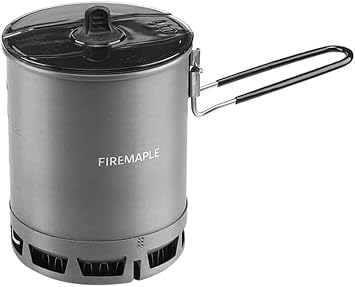
1. Fire‑Maple Petrel Camping Pot
This 600 ml ultralight pot weighs only 162 g and is made from hard‑anodized aluminum, a material that does not react with common allergens. The heat‑exchanger bottom maximizes fuel efficiency, allowing hikers to boil water quickly with minimal stove usage. The foldable, heat‑proof handle prevents accidental burns while handling allergen‑free meals.
- Weight: 162 g, capacity 600 ml – ideal for single‑serving meals.
- High efficiency heat exchanger reduces fuel consumption by up to 30 %.
- Mesh carry bag keeps the pot separate from other gear, supporting segregation.
- Rating: 4.7/5 from 720 reviews, indicating reliable performance.
2. Odoland 15‑Piece Camping Cookware Set
This all‑in‑one mess kit provides a pot, fry pan, kettle, stainless‑steel cups, plates, and cutlery, all stored in a compact mesh bag. The anodized aluminum cookware features a non‑stick coating that is free from PFOA and PFAS, reducing the likelihood of hidden chemical allergens. The foldable handles are thermally insulated, allowing safe handling of hot liquids.
- Pot capacity 1.9 L, pan diameter 5.7 in, kettle 0.8 L – suitable for 1–2 hikers.
- Stainless‑steel cutlery is 304 grade, guaranteeing corrosion resistance and food‑grade safety.
- Total weight 2.75 lb, pack size 7.5 × 7.5 × 5 in, making it backpack‑friendly.
- Rating: 4.4/5 from 2,181 reviews, reflecting strong user satisfaction.
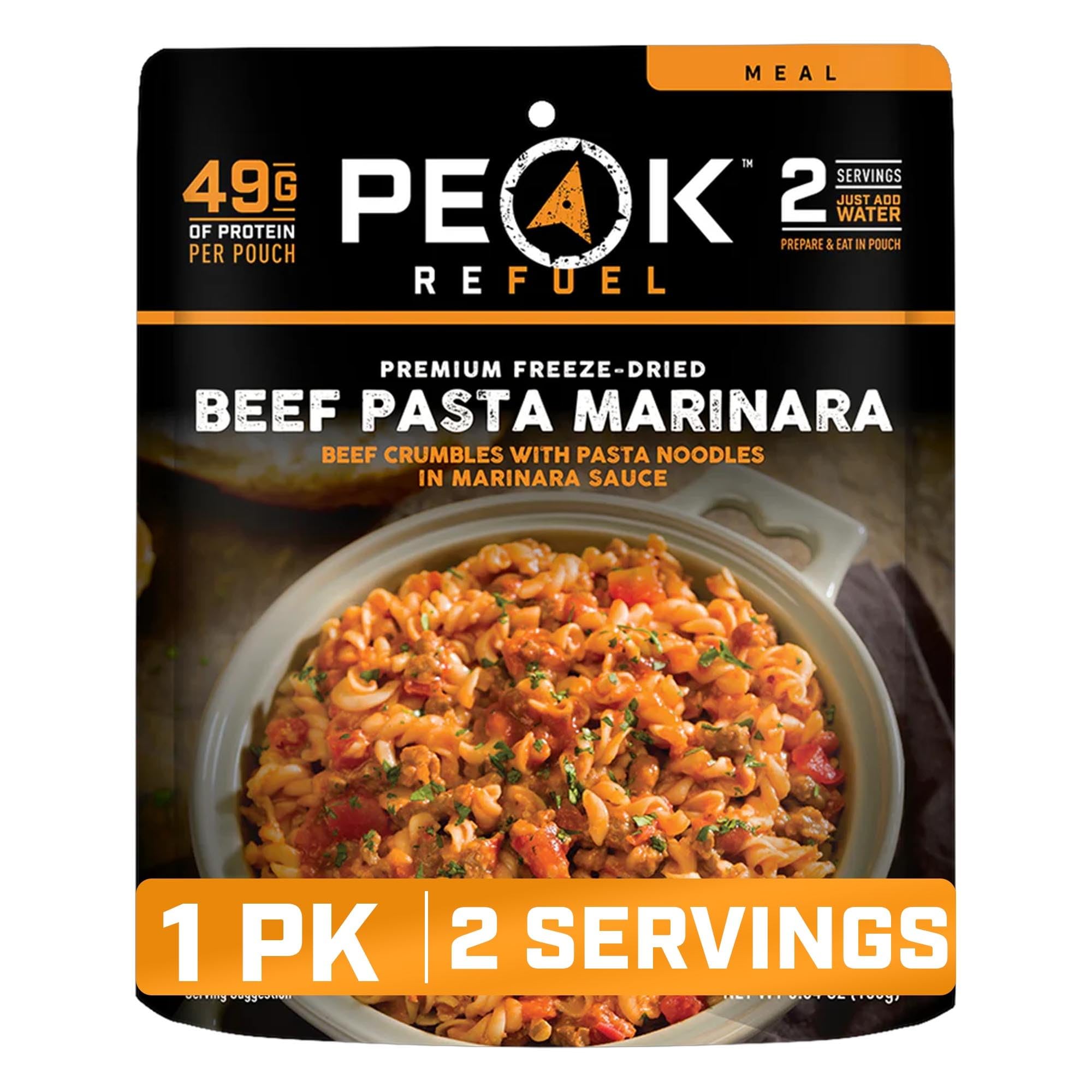
3. Peak Refuel Beef Pasta Marinara
This freeze‑dried entrée provides 49 g of protein per two‑serving pouch, eliminating the need for separate protein powders that may contain allergens. The meal uses 100 % USDA‑inspected beef, with no filler such as soy‑derived TVP. Preparation requires only hot water, reducing the need for additional cookware that could become contaminated.
- Calories per serving: 1,040, protein: 49 g – supports high energy expenditure.
- Freeze‑dried for lightweight transport; each pouch weighs less than 200 g.
- Rated 4.4/5 from 1,195 reviews, confirming taste and quality.
4. Bare Bones Beef Bone Broth Packets
These instant packets deliver 10 g of protein and 5 g of collagen per serving, providing a warm, soothing beverage that can be consumed without additional utensils. The broth is free from gluten, soy, and dairy, making it a safe option for many allergy profiles. Mixing requires only hot water, which can be prepared in the Fire‑Maple pot.
- Each packet contains 50 calories, 10 g protein, and 5 g collagen.
- Pack of 16, lightweight and easy to stash in a mesh bag.
- Rating: 4.5/5 from 7,698 reviews, indicating broad acceptance.
Comparison and Selection Guide
| Feature | Fire‑Maple Pot | Odoland Cookware Set | Peak Refuel Meal | Bare Bones Broth |
|---|---|---|---|---|
| Primary Use | Boiling water, single‑serving meals | Full meal preparation for 1‑2 hikers | High‑protein main dish | Sipping broth, electrolyte boost |
| Weight (g) | 162 | 1,247 | ≈200 (per pouch) | ≈15 (per packet) |
| Allergen‑Free Certifications | Aluminum, no coating | Non‑stick PFOA‑free, stainless‑steel cutlery | 100 % real meat, no soy or gluten | Gluten‑free, soy‑free, dairy‑free |
| Price (USD) | 25.59 | 29.99 | 14.95 | 23.99 |
| Average Rating | 4.7/5 (720 reviews) | 4.4/5 (2,181 reviews) | 4.4/5 (1,195 reviews) | 4.5/5 (7,698 reviews) |
When selecting gear, hikers should prioritize weight savings for long‑distance trips, but never sacrifice allergen segregation. The Fire‑Maple pot excels for minimalist hikers who need a single, clean vessel. The Odoland set offers a complete kitchen for small groups, while the Peak Refuel meal and Bare Bones broth provide ready‑to‑eat nutrition that bypasses cooking altogether.
Best Practices & Tips for Allergy‑Safe Trail Meals
- Label every food item with a waterproof marker indicating "Allergen‑Free" or the specific allergen avoided.
- Pack a separate zip‑lock bag for each meal component; this prevents crumbs from contaminating other foods.
- Use dedicated cooking utensils for allergen‑free meals; the stainless‑steel cutlery in the Odoland set is ideal.
- Pre‑test new foods at home before the trek to confirm that no hidden allergens are present.
- Carry an epinephrine auto‑injector and a written emergency plan; accessibility is crucial in remote environments.
- Consider a portable food‑safe testing kit (e.g., allergen test strips) for extra peace of mind.
- Maintain a clean cooking area by wiping down the pot and stove after each use with a disposable paper towel.
Frequently Asked Questions
- How can I avoid cross‑contamination when using a shared stove?
- Place a clean silicone mat or aluminum foil under your pot, and clean the stove surface with alcohol wipes before igniting. Use dedicated cookware such as the Fire‑Maple pot to keep allergen‑free meals separate.
- Are freeze‑dried meals safe for people with soy allergies?
- Many commercial freeze‑dried meals contain soy‑derived protein. The Peak Refuel Beef Pasta Marinara explicitly states that it contains no soy or filler, making it a reliable choice.
- What is the best way to store powdered supplements on the trail?
- Store supplements in airtight zip‑lock bags inside a larger zip‑lock pouch. Keep them in a separate compartment of your backpack to avoid accidental mixing with other foods.
- Can I use the Odoland cookware on a campfire?
- Yes, the anodized aluminum pieces are designed for use on propane, canister, and open‑flame stoves. However, avoid direct contact with flames for more than a few seconds to preserve the non‑stick coating.
- How much extra weight should I allocate for allergy‑safe foods?
- Allocate approximately 10 % of total food weight for specialized items such as gluten‑free pasta, dairy‑free cheese alternatives, or extra protein packets. This margin ensures nutritional adequacy without excessive load.
Conclusion
Managing food allergies on a thru‑hike demands careful planning, disciplined segregation, and the right equipment. By understanding the core concepts of allergen control, selecting gear such as the Fire‑Maple pot, Odoland cookware, Peak Refuel meals, and Bare Bones broth, and following the best‑practice checklist, hikers can protect their health while enjoying the freedom of the trail. The comprehensive comparison guide assists in tailoring the kitchen to individual needs, ensuring that every mile is taken with confidence and safety.
Products Featured in This Guide
Fire‑Maple Petrel Camping Pot
Price: $25.59 | Rating: 4.7/5 (720 reviews)
Featured because it provides an ultralight, single‑serve cooking solution that is made from inert aluminum, supporting strict allergen segregation.
Odoland 15‑Piece Camping Cookware Set
Price: $29.99 | Rating: 4.4/5 (2,181 reviews)
Featured because it offers a complete, stackable kitchen system with non‑stick, PFOA‑free cookware and stainless‑steel cutlery, ideal for 1‑2 hikers.
Peak Refuel Beef Pasta Marinara
Price: $14.95 | Rating: 4.4/5 (1,195 reviews)
Featured because it delivers high protein, real meat nutrition without common allergens, and requires only hot water for preparation.
Bare Bones Beef Bone Broth Packets
Price: $23.99 | Rating: 4.5/5 (7,698 reviews)
Featured because it provides a gluten‑free, dairy‑free, soy‑free source of protein and collagen that can be prepared in a single pot, reducing equipment load.