Ultimate Backpacking Guide: Using a Solar Cooker with a Titanium Pot for Lightweight, Off‑Grid Cooking
Introduction
Backpacking demands efficient, lightweight solutions for preparing nutritious meals in remote environments. This guide explores how a solar cooker paired with a titanium pot can meet those demands while reducing reliance on traditional fuel sources. Readers will learn the science behind solar cooking, how to select the right equipment, and practical techniques for successful off‑grid meals. By the end, one will be equipped to make informed purchasing decisions and adopt best practices for sustainable backpacking cuisine.
Background/Context
Solar cooking harnesses direct sunlight and converts it into thermal energy, eliminating the need for propane, gasoline, or wood. The technology relies on reflective surfaces, insulated chambers, and precise angle adjustments to achieve temperatures comparable to conventional ovens. Titanium cookware, meanwhile, offers unparalleled strength‑to‑weight ratios, corrosion resistance, and a neutral taste profile, making it ideal for high‑altitude or wet environments. Understanding these fundamentals enables backpackers to optimize performance and safety while minimizing pack weight.
Choosing a Solar Cooker
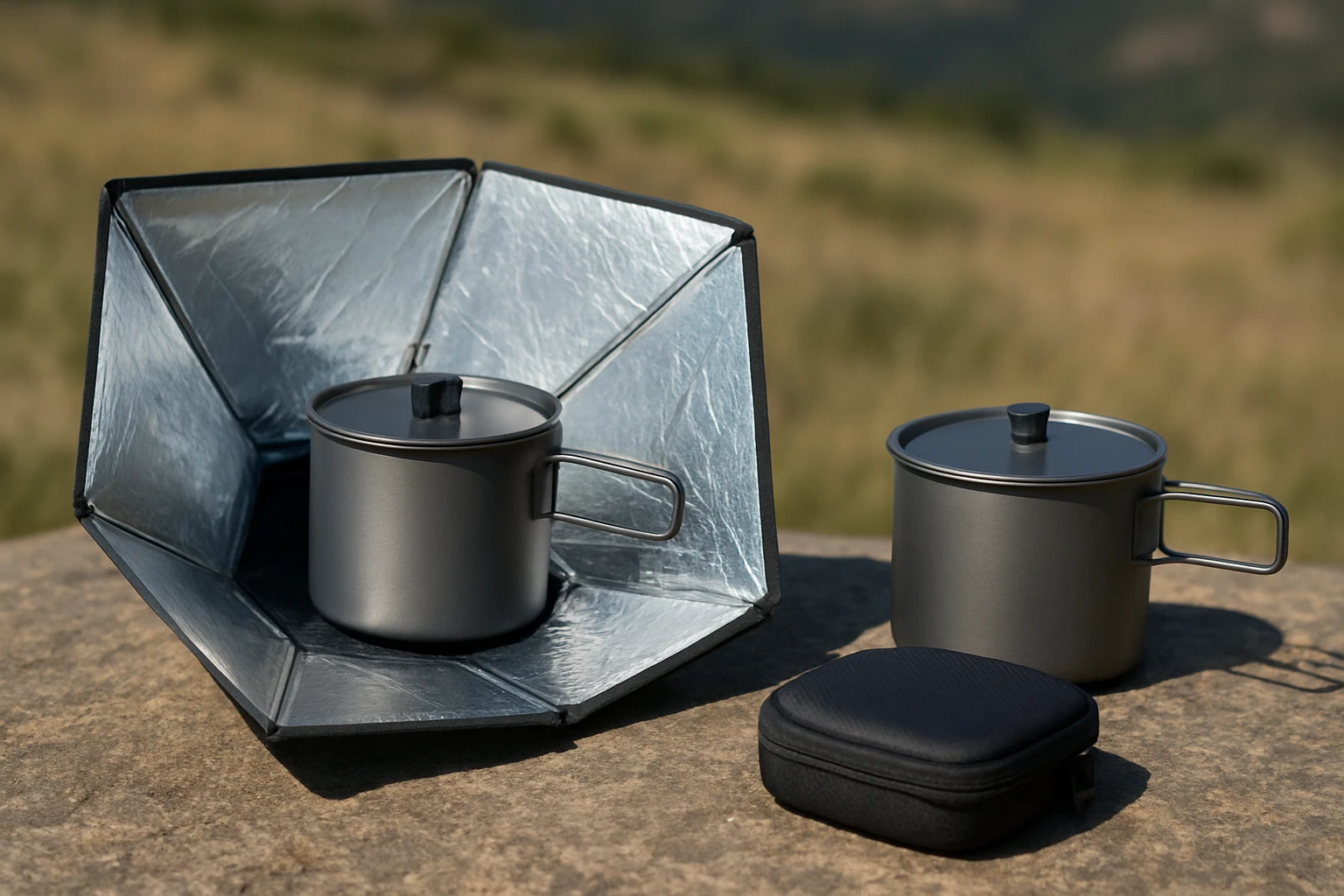
Several solar cooker designs exist, ranging from compact box ovens to large parabolic reflectors. The choice depends on travel style, typical weather conditions, and cooking objectives. For lightweight, portable adventures, a foldable box oven provides ease of setup and storage. For high‑heat grilling or rapid cooking, a parabolic model delivers concentrated heat and faster temperature rise. Below are two recommended options that illustrate these categories.
Portable Box Oven
The OMISTAR Foldable Solar Oven offers a compact, waterproof design suitable for backpacking. It reaches up to 110 °C (230 °F), sufficient for reheating meals and cooking simple dishes. At $42.97, the oven receives a 3‑star rating from three reviewers, indicating moderate satisfaction. Key features include efficient solar heating through a reflective hood, rapid heating capability, and a fold‑down size of 14.2×10.2×3.9 inches for easy carriage.
High‑Intensity Parabolic Cooker
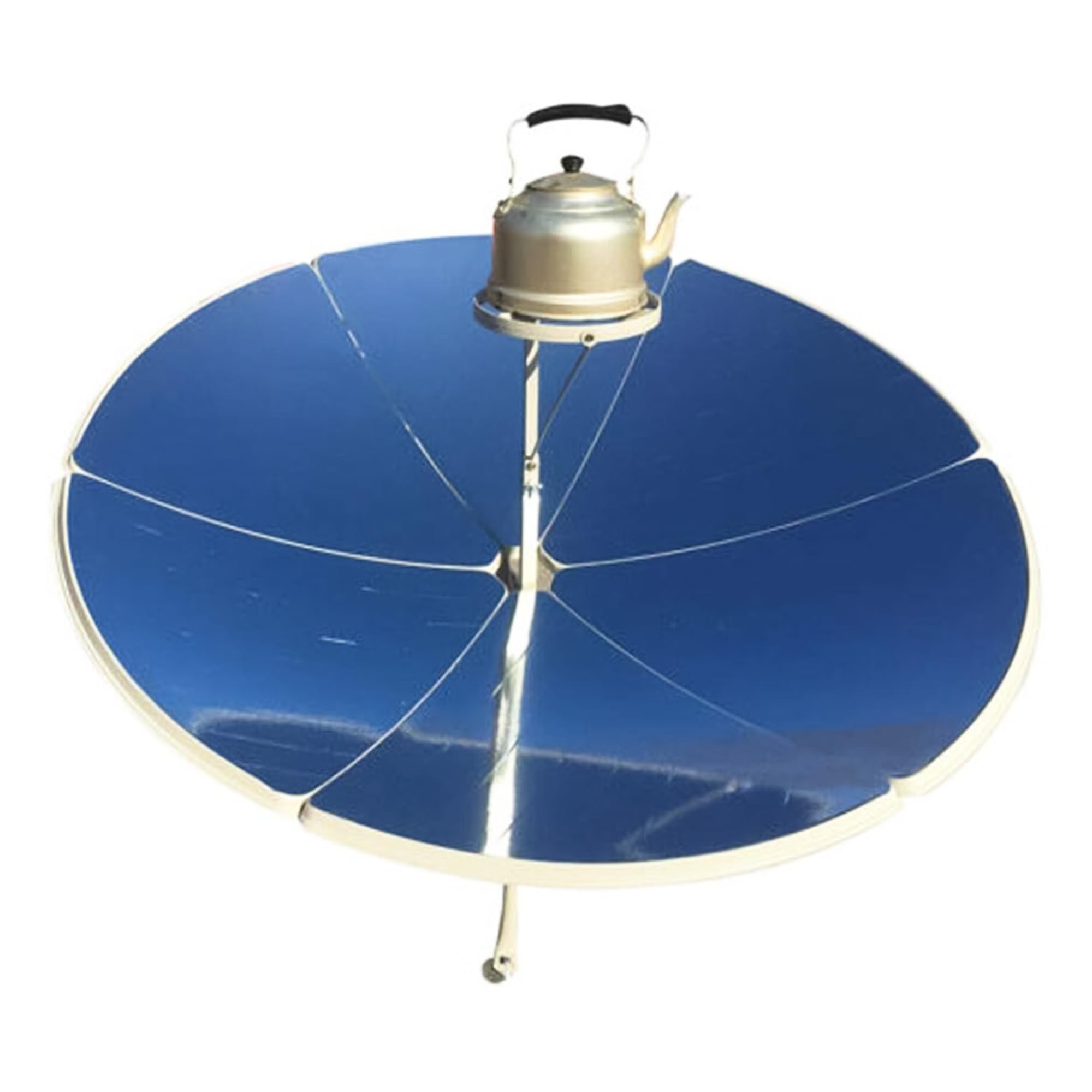
The TuBaSaki Parabolic Solar Cooker delivers oven‑like temperatures six to seven times faster than a charcoal grill. Priced at $67.00 with a 4.7‑star rating from four reviewers, it features self‑healing polymer mirrors for durability and an adjustable support bar for temperature control. Its 1.5‑meter diameter reflective surface concentrates sunlight, enabling searing, baking, and roasting in sunny conditions.
Selecting a Titanium Pot
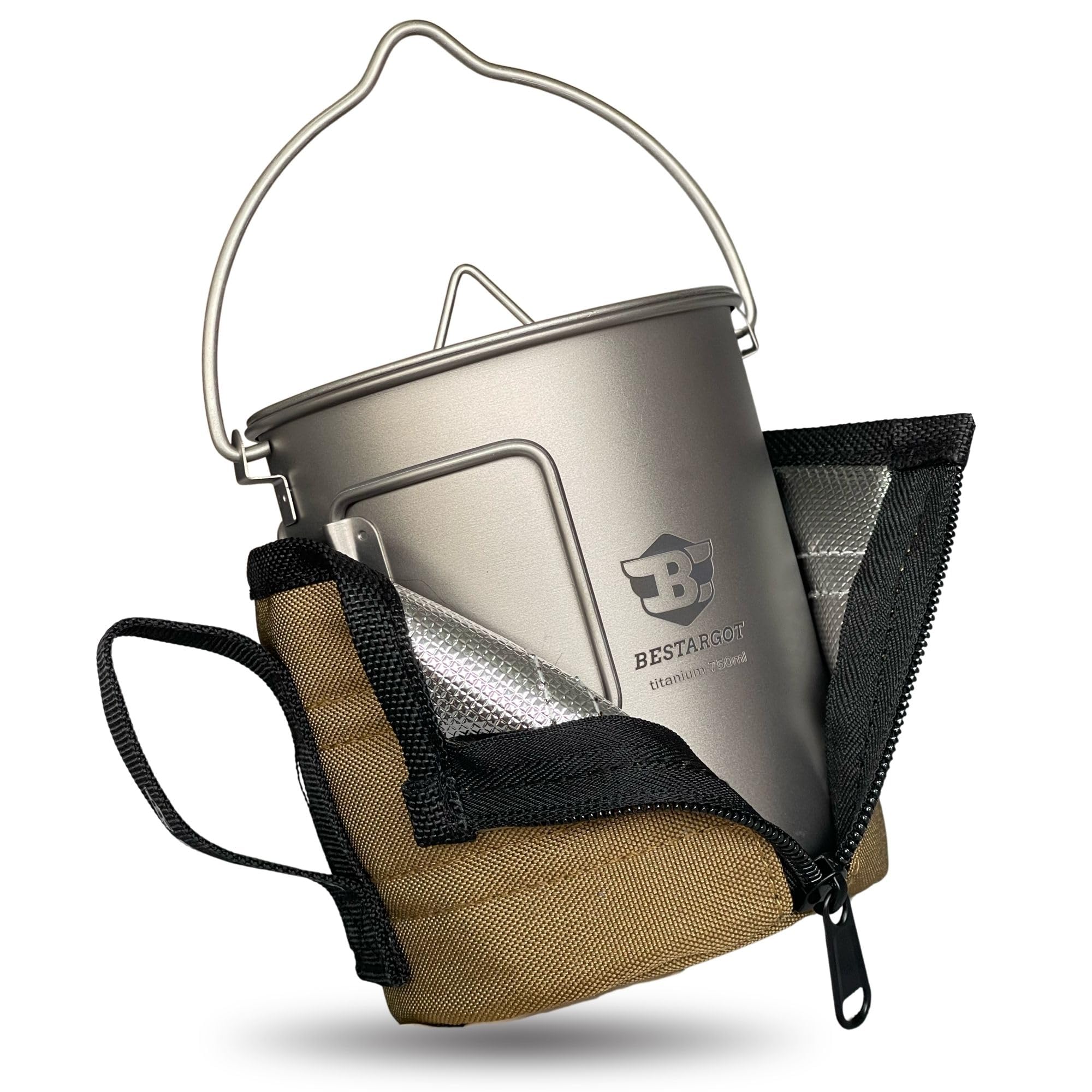
When pairing a solar cooker with cookware, the pot must be lightweight yet capable of withstanding high temperatures. Titanium’s high melting point and non‑reactive surface make it the premier material for backcountry cooking. The Bestargot Titanium Camping Pot provides a 750 ml capacity, weighing only 220 g (23.29 USD) and earning a 4.6‑star rating from 56 reviews. Its TA1 alloy construction resists rust and imparts no metallic taste, while the design is dishwasher‑safe for easy cleaning.
For those who prefer a larger cooking vessel, the HAINES SunUp Solar Cooker Kit includes a spacious cooking area compatible with Dutch ovens and larger titanium pots. Although priced at $129.95, it offers a top‑ranked solar cooker with adjustable panels, robust weather‑resistant reflectors, and straightforward assembly, making it a versatile choice for extended expeditions.
Integrating a Solar Cooker with a Titanium Pot
Successful integration begins with positioning. Align the cooker’s reflective surface toward the sun’s apex, typically between 30° and 45° above the horizon, to maximize photon capture. Place the titanium pot centrally within the oven’s focal zone to ensure even heat distribution. Because titanium conducts heat efficiently, a thin‑walled pot will heat quickly, reducing overall cooking time.
For box ovens like the OMISTAR model, use the included insulated lid to trap heat and prevent convection losses. When using the TuBaSaki parabolic cooker, adjust the support bar until the reflected sunlight forms a tight focal point on the pot’s surface; this concentrates energy and can achieve temperatures above 200 °C (392 °F) for searing. Always monitor temperature with an infrared thermometer or a simple water‑boil test to avoid overheating fragile food items.
Comparison/Selection Guide
| Feature | OMISTAR Foldable Solar Oven | TuBaSaki Parabolic Solar Cooker | Bestargot Titanium Pot | HAINES SunUp Kit |
|---|---|---|---|---|
| Price | $42.97 | $67.00 | $23.29 | $129.95 |
| Weight | Lightweight (exact weight not listed) | 37 lb (reflector assembly) | 220 g | Portable but heavier due to panels |
| Maximum Temperature | 110 °C (230 °F) | ~200 °C+ | Handles >200 °C | Comparable to box ovens |
| Portability | Folded size 14.2×10.2×3.9 in | Requires 1.5 m setup space | Compact 750 ml | Folds into compact box |
| Rating | 3/5 (3 reviews) | 4.7/5 (4 reviews) | 4.6/5 (56 reviews) | 4.6/5 (276 reviews) |
| Best For | Lightweight backpacking, quick reheating | High‑heat grilling, rapid cooking | Everyday off‑grid cooking | Family‑size meals, emergency preparedness |
Backpackers prioritizing minimal weight should pair the OMISTAR oven with the Bestargot pot. Those seeking high‑heat performance for grilling should consider the TuBaSaki cooker, optionally supplementing with a larger titanium pot if desired. For extended trips with multiple meals, the HAINES kit provides the most cooking surface and flexibility, albeit at a higher weight and cost.
Best Practices & Tips
- Plan for optimal sun exposure: select a location with unobstructed southern exposure (in the Northern Hemisphere) and adjust the angle hourly.
- Pre‑heat the solar cooker for at least 10 minutes before adding food to ensure stable temperature.
- Use dark‑colored cookware or line the pot with a thin aluminum foil sheet to improve heat absorption.
- Cover pots with clear, heat‑resistant lids to create a greenhouse effect and reduce heat loss.
- Carry a lightweight, foldable solar tracker or a simple angle‑adjusting bracket to maintain optimal tilt as the sun moves.
- When cooking at high altitudes, expect longer heating times due to reduced air density; increase surface area exposure accordingly.
- Always clean reflective surfaces with a soft, damp cloth to maintain efficiency; avoid abrasive cleaners that could scratch mirrors.
Frequently Asked Questions
- Can a solar cooker melt a titanium pot?
- No. Titanium’s melting point exceeds 1,660 °C (3,020 °F), far above the temperatures achievable by consumer solar cookers.
- What weather conditions are suitable for solar cooking?
- Clear skies with direct sunlight are ideal. Light clouds may reduce efficiency but cooking can still proceed at lower temperatures.
- How long does it take to boil water with the OMISTAR oven?
- Under strong sunlight, water typically reaches a boil in 20‑30 minutes, depending on volume and ambient temperature.
- Is it safe to use the solar cooker at night?
- No. Solar cookers rely on sunlight; for night cooking, consider a lightweight stove or carry a backup fuel source.
- Do titanium pots require special seasoning?
- No. Titanium is non‑reactive and does not need seasoning, unlike cast iron.
- Can I combine multiple pots in one solar cooker? dd>Yes, if the cooking area is large enough; ensure even spacing to allow uniform heat distribution.
- How do I store the solar cooker to prevent damage?
- Fold the unit according to the manufacturer’s instructions, store it in a protective bag, and keep it away from sharp objects.
Conclusion
Integrating a solar cooker with a titanium pot offers backpackers a lightweight, fuel‑free method for preparing meals in remote settings. By understanding solar principles, selecting equipment that matches one’s travel style, and following proven best practices, one can achieve reliable, delicious results without compromising pack weight. The products highlighted—OMISTAR Foldable Solar Oven, TuBaSaki Parabolic Solar Cooker, Bestargot Titanium Camping Pot, and HAINES SunUp Solar Cooker Kit—represent a spectrum of options that cater to diverse needs, from solo hikers to family campers.
Products Featured in This Guide
OMISTAR Foldable Solar Oven
Price: $42.97 | Rating: 3/5 (3 reviews)
Featured for its compact, waterproof design and rapid heating capability, making it ideal for lightweight backpacking.
TuBaSaki Parabolic Solar Cooker
Price: $67.00 | Rating: 4.7/5 (4 reviews)
Featured for its high‑temperature performance and adjustable reflectors, suitable for grilling and rapid cooking.
Bestargot Titanium Camping Pot
Price: $23.29 | Rating: 4.6/5 (56 reviews)
Featured for its ultralight construction, corrosion resistance, and 750 ml capacity, perfect for off‑grid cooking.
HAINES SunUp Solar Cooker Kit
Price: $129.95 | Rating: 4.6/5 (276 reviews)
Featured for its large cooking area, durable reflective panels, and ease of setup, ideal for group camping and emergency preparedness.