
Ultralight Kayak Camping Kitchen Setup: The Ultimate Guide & Essential Gear Checklist
Introduction
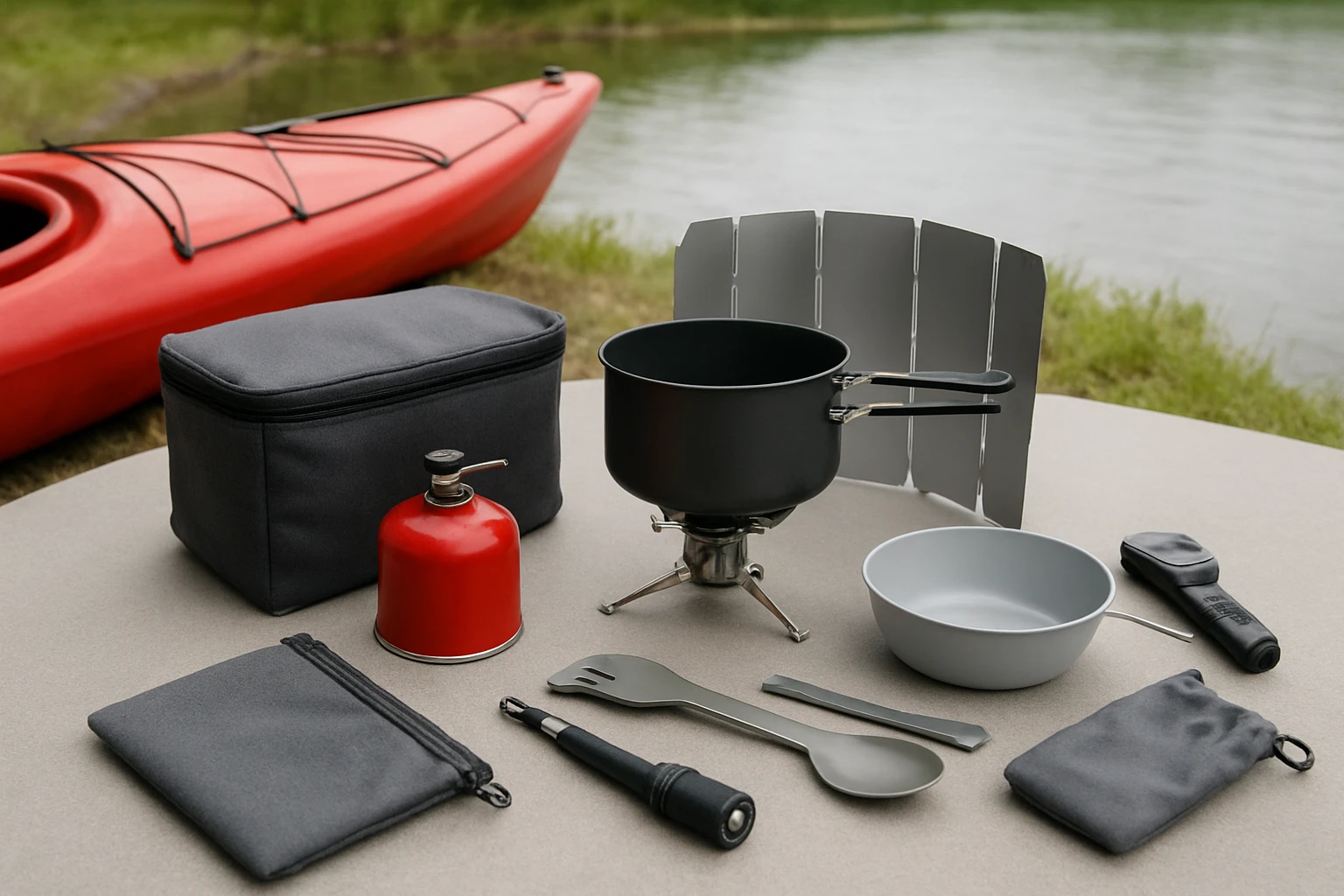
Kayak enthusiasts who venture into remote waterways often face the challenge of preparing nutritious meals without compromising weight or stability. This guide explains the essential components of an ultralight kitchen that can be safely operated from a kayak while maintaining balance and maneuverability. Readers will learn foundational concepts, evaluate three highly rated cooking products, and receive actionable tips for safe, efficient outdoor cooking. By the end of the article, one will possess a clear plan for assembling a lightweight, reliable cooking system suitable for multi‑day paddling trips.
Background and Context
Ultralight backpacking principles translate directly to kayak camping, where every gram influences boat trim and energy expenditure. The primary considerations include cookware weight, fuel efficiency, heat distribution, and the ability to pack gear in a waterproof manner. Hard‑anodized aluminum, for example, provides rapid, even heating while resisting corrosion from splashing water. Understanding these material properties enables paddlers to select equipment that maximizes performance without adding unnecessary bulk.
Choosing an Ultralight Cookware Set
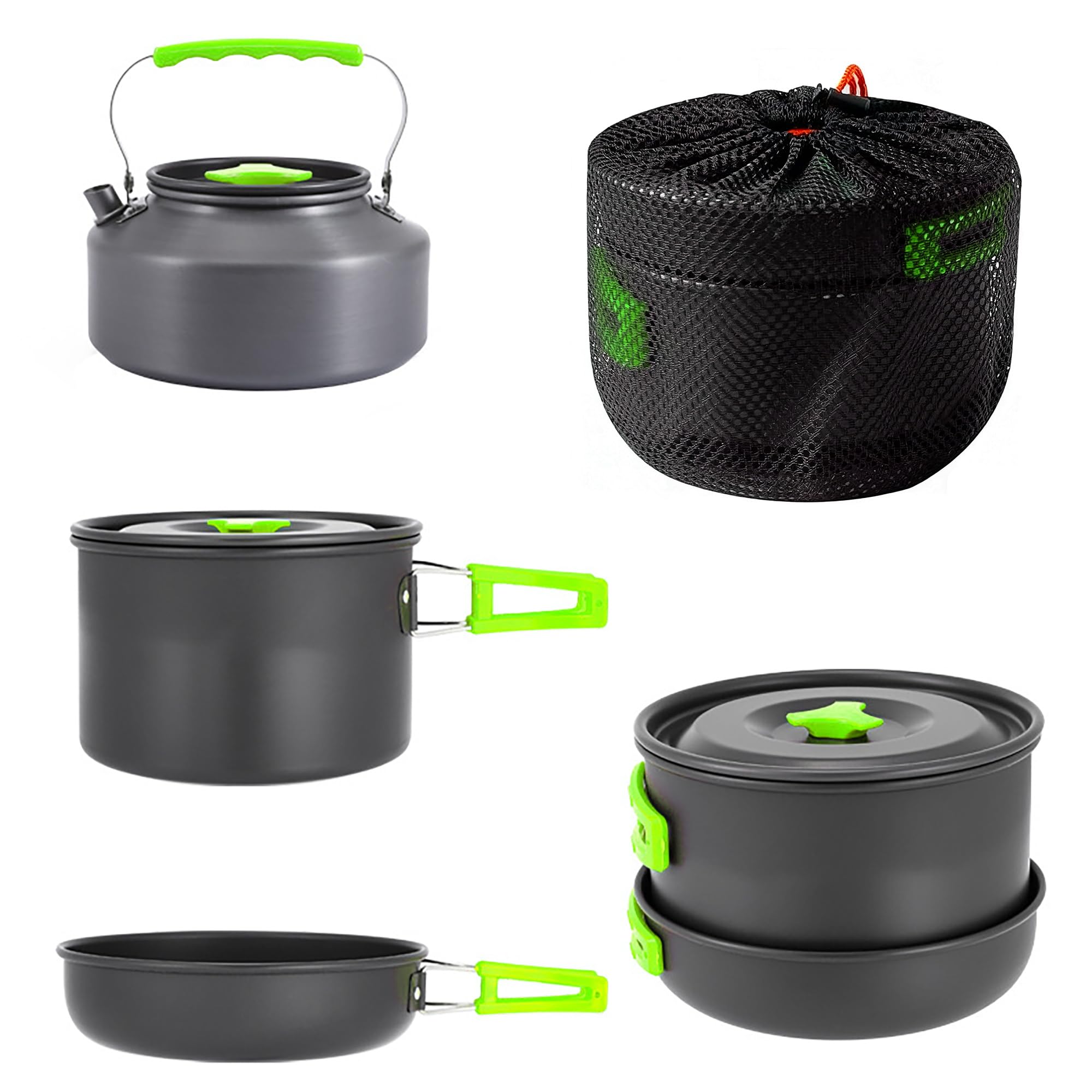
The cookware set forms the core of any kayak kitchen, providing vessels for boiling, simmering, and frying. The aiGear Camping Cook Set offers a compact three‑piece solution designed for one to two people, weighing only 1.56 lb and nesting within a nylon mesh bag. Its hard‑anodized aluminum construction ensures fast, even heating and is food‑grade, eliminating concerns about harmful leaching. The ergonomic, heat‑insulated handles prevent burns, and the foldable design reduces the packed footprint, making it ideal for kayak storage.
Key specifications of the aiGear set include a 0.54‑gal pot, a 0.29‑gal kettle, and a 7‑inch frying pan, each capable of handling open‑fire, charcoal, wood, or gas heat sources. The set has earned a 4.3‑star rating from 424 reviews, indicating broad user satisfaction with durability and ease of cleaning. For paddlers who prioritize weight savings and multi‑fuel versatility, this cookware set aligns closely with ultralight objectives.
Selecting a Portable Stove
A reliable stove supplies the flame necessary to transform raw ingredients into nourishing meals while the kayak remains stable. The Coleman Classic 1‑Burner Stove provides 7,650 BTU of power in a lightweight, case‑ready package, making it suitable for both calm lakes and windy rivers. Its single adjustable burner allows precise temperature control, and the Instastart ignition eliminates the need for matches, enhancing safety on a moving vessel.
Constructed from rust‑proof aluminum with a removable porcelain‑coated grate, the Coleman stove simplifies post‑trip cleaning. Users have awarded it a 4.6‑star rating based on 1,936 reviews, praising its stability, wind‑shielding baffle, and compact carry case. The stove weighs approximately 2.5 lb, a modest addition that balances heat output with the need to keep the kayak’s center of gravity low.
Alternative High‑Efficiency Option
For paddlers seeking maximum fuel efficiency, the Gas One Butane Camping Stove delivers 7,650 BTU using a small 8‑oz butane canister. Its CSA‑approved safety features include an automatic fuel‑cartridge ejection system that activates under excessive force, reducing the risk of accidental discharge. The stove incorporates a piezo‑type electric starter, providing match‑less ignition and a built‑in shut‑off mechanism for added security.
With a 4.7‑star rating from 8,233 reviews, the Gas One stove is recognized for quiet operation and rapid boil times, essential when paddlers must minimize exposure to wind and cold. Although slightly heavier than the Coleman model, its compact case and efficient fuel consumption make it a strong contender for extended trips where resupply opportunities are limited.
Comparison and Selection Guide
| Feature | aiGear Camping Cook Set | Coleman Classic 1‑Burner Stove | Gas One Butane Camping Stove |
|---|---|---|---|
| Weight (lb) | 1.56 | ~2.5 | ~2.8 |
| Fuel Type | Open fire, charcoal, wood, gas | Butane canister (included case) | 8 oz butane canister (sold separately) |
| BTU Output | N/A (cookware only) | 7,650 | 7,650 |
| Price (USD) | $29.99 | $40.91 | $22.49 |
| Average Rating | 4.3/5 (424 reviews) | 4.6/5 (1,936 reviews) | 4.7/5 (8,233 reviews) |
| Key Advantages | Ultra‑light, multi‑fuel compatibility, ergonomic handles | Wind‑shield baffle, precise temperature control, portable case | CSA safety certification, quiet operation, efficient fuel use |
When selecting gear, paddlers should prioritize weight and fuel efficiency for longer trips, while short weekend outings may benefit from the convenience of the Coleman stove’s built‑in case. The aiGear cookware set pairs well with either stove, creating a balanced system that addresses both heating performance and packing constraints.
Best Practices & Tips for Kayak Cooking
- Secure all equipment with waterproof straps or dry‑bag compartments to prevent loss during capsizing.
- Position the stove on a stable, non‑slippery surface such as a fold‑out stove board; this distributes weight and reduces the risk of tipping.
- Use a wind‑screen or the stove’s built‑in baffle to protect the flame from gusts, which can cause uneven heating and fuel waste.
- Pre‑measure ingredients and pack them in resealable bags to minimize handling time while the stove is lit.
- Carry a small fire‑extinguishing kit, including a metal lid and sand, to quickly smother any accidental flare‑ups.
- Practice fuel connections and ignition procedures on land before venturing onto the water to ensure confidence and safety.
Frequently Asked Questions
1. How much weight can a typical kayak handle for cooking gear?
Most recreational kayaks are rated for a payload between 250 and 400 lb, but it is advisable to keep cooking gear under 10 percent of the total capacity to preserve stability.
2. Can the aiGear cookware be used on a gas stove?
Yes, the hard‑anodized aluminum construction is compatible with both open flame and gas burners, allowing seamless integration with the Coleman or Gas One stoves.
3. What safety measures are recommended for butane stoves on a kayak?
Always operate the stove in a well‑ventilated area, keep the fuel canister upright, and use the built‑in shut‑off valve when the flame is not actively needed.
4. How can one minimize fuel consumption on long trips?
Utilize a pot with a tight‑fitting lid, simmer rather than boil when possible, and consider pre‑soaking dried beans or dehydrated meals to reduce cooking time.
5. Is it necessary to bring a separate fire‑starter when using these stoves?
No, both the Coleman and Gas One models feature automatic ignition systems that eliminate the need for matches or lighters, enhancing safety on a moving vessel.
6. What is the best way to store the cookware while paddling?
Place the nested aiGear set inside a waterproof dry bag that can be secured to the kayak’s deck rigging, ensuring quick access and protection from moisture.
7. Are there any legal restrictions on using open‑fire cookware on public waterways?
Regulations vary by jurisdiction; paddlers should consult local authorities to confirm whether open‑fire cooking is permitted in the intended area.
Conclusion
Creating an ultralight kayak camping kitchen requires careful selection of cookware, stove, and safety accessories that together respect weight limits while delivering reliable heat. The combination of the aiGear Camping Cook Set, the Coleman Classic 1‑Burner Stove, and the Gas One Butane Camping Stove provides a versatile toolkit adaptable to diverse fuel sources and weather conditions. By following the best‑practice tips and adhering to safety guidelines, paddlers can enjoy nutritious meals without compromising boat stability or safety.
With the comprehensive checklist and product comparisons presented herein, one is equipped to design a kitchen system that enhances the kayaking experience, turning remote waterways into culinary frontiers.
Products Featured in This Guide
aiGear Camping Cook Set
Price: $29.99
Rating: 4.3/5 (424 reviews)
Featured for its ultralight design, multi‑fuel compatibility, and ergonomic, heat‑insulated handles that suit kayak cooking scenarios.
Coleman Classic 1-Burner Stove
Price: $40.91
Rating: 4.6/5 (1,936 reviews)
Featured for its wind‑shield baffle, precise temperature control, and portable case that simplify storage on a kayak.
Gas One Butane Camping Stove
Price: $22.49
Rating: 4.7/5 (8,233 reviews)
Featured for its CSA safety certification, efficient fuel use, and quiet operation, making it ideal for extended kayak expeditions.