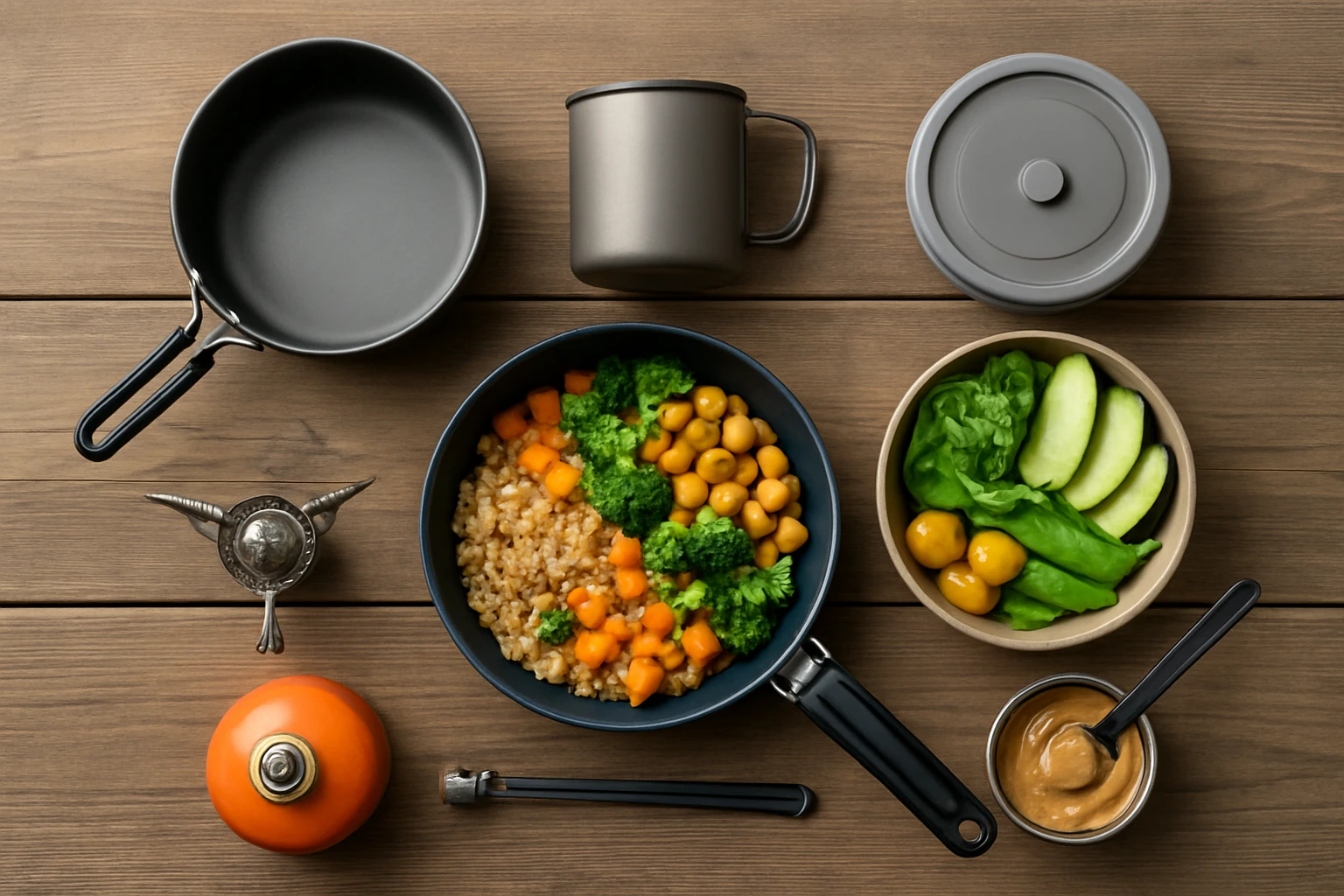
Ultralight Vegetarian Backpacking Kitchen: The Ultimate Guide to Minimal Gear, Packable Meals, and Efficient Setup
Introduction
Backpacking on a vegetarian diet presents unique challenges, yet it also offers opportunities to streamline gear and reduce pack weight. This guide explains how to design a kitchen that satisfies nutritional needs while staying ultralight, and it outlines the essential equipment, meal strategies, and setup techniques. Readers will learn how to choose compact spices, durable utensils, and efficient cooking systems that complement a plant‑based menu. By the end of the article, one will be prepared to hit the trail with confidence, flavor, and minimal bulk.
Background and Context
Vegetarian backpackers must balance protein, calories, and micronutrients without relying on heavy meat products. Legumes, nuts, grains, and dehydrated vegetables become the cornerstone of trail nutrition, and they often require only water and heat to become meals. The concept of ultralight gear focuses on reducing weight per function, which translates into fewer items, multi‑purpose tools, and high‑density food packaging. Understanding the trade‑off between weight, durability, and convenience is essential before assembling a kitchen.
Traditional backpacking kitchens include a stove, pot, fuel canister, spoon, and a spice kit. For vegetarians, the spice kit becomes more critical because flavor must be built without meat‑based broths. Moreover, many vegetarian meals are dehydrated or freeze‑dried, requiring a utensil that can reach deep containers without contaminating the food. The following sections break down each component, offering both theory and product recommendations.
Essential Gear for an Ultralight Vegetarian Kitchen
The core of any ultralight kitchen consists of a stove, pot, water treatment, and a set of multipurpose utensils. Each item should be evaluated on weight, durability, and how well it integrates with vegetarian cooking methods.
Stove and Pot
A compact canister stove paired with a titanium 0.5‑liter pot delivers rapid boil times and low weight, ideal for rehydrating beans, rice, and instant noodles. Titanium conducts heat efficiently, allowing quick cooking of dense legumes that otherwise require long simmering. When selecting a stove, prioritize models with adjustable flame control to avoid overheating delicate vegetables.
Water Treatment
Clean water is non‑negotiable for both health and food safety. Ultralight chemical tablets or a lightweight pump filter provide reliable purification without adding bulk. Choose a system that can treat at least 1 liter per minute, ensuring you can keep a steady flow of water for meal prep.
Spice Management
Flavor is the linchpin of a satisfying vegetarian trail menu. The Coghlan's 6‑in‑1 Spice Shaker consolidates six essential seasonings—cayenne, oregano, garlic salt, paprika, salt, and black pepper—into a single, mess‑free container. Each compartment is individually sealed, preserving freshness and preventing cross‑contamination. At $11.41, the shaker offers a 4.5‑star rating from over 11,000 reviewers, indicating strong reliability for outdoor use. Its compact, travel‑friendly design fits easily in a backpack pocket, reducing the need for multiple spice packets.
Ultralight Utensils
For vegetarian meals, a utensil that can both stir and scoop is valuable. The TiTo Titanium Long Handle Spork weighs only 16 g and includes a quick‑drying bag, making it one of the lightest options on the market. Constructed from 99.5 % food‑grade titanium, it resists rust, acid corrosion, and high temperatures—ideal for boiling water and stirring thick soups. With a 4.8‑star rating from 1,487 reviews, users praise its durability and long handle, which reaches the bottom of deep pouches without dirtying fingers. The spork’s dual function eliminates the need for separate spoon and fork, further trimming pack weight.
Meal Planning Strategies for Minimal Weight
Effective meal planning reduces both the number of items carried and overall weight. The key is to choose dehydrated or freeze‑dried foods that rehydrate quickly and provide balanced macronutrients. Legume‑based meals, such as lentil chili or chickpea curry, deliver protein and fiber while requiring only a pot and water.
One strategy is to create a “base mix” of grains, beans, and powdered vegetables that can be customized with the spice shaker. For example, a 100‑gram mix of instant quinoa, red lentils, and powdered spinach yields a complete meal when combined with hot water and seasoned with the 6‑in‑1 shaker. This approach eliminates the need for multiple single‑serve packets, saving space and reducing packaging waste.
Another tactic is to use compact, high‑calorie snacks like nut butter packets and energy gels as supplemental calories. These items are lightweight, require no preparation, and complement the main meals by providing quick energy during high‑intensity sections of the trek.
Efficient Kitchen Setup and Pack Organization
Organizing gear for quick access minimizes campsite setup time and reduces the chance of forgetting essential items. Arrange the stove, pot, and utensil in a “cooking cluster” near the top of the pack, where they can be reached without unpacking the entire bag. Place the spice shaker in an exterior pocket so it can be grabbed while cooking.
When cooking, use a single pot for both boiling water and preparing the meal to avoid extra cookware. The long handle of the TiTo spork allows stirring without exposing hands to heat, and its smooth titanium surface prevents food from sticking, making cleanup swift. After the meal, wipe the spork with a damp cloth; the titanium does not retain flavors, ensuring it remains neutral for the next use.
Finally, consider a lightweight, collapsible silicone bowl for serving. It adds negligible weight and can be packed flat, providing a convenient vessel for eating without compromising the ultralight philosophy.
Comparison and Selection Guide
| Feature | Coghlan's 6‑in‑1 Spice Shaker | TiTo Titanium Long Handle Spork |
|---|---|---|
| Primary Function | Seasoning container with six pre‑filled spices | Combined spoon and fork with extended handle |
| Weight | Approx. 120 g (including packaging) | 16 g (including pouch) |
| Material | Durable plastic with sealed lids | 99.5 % food‑grade titanium |
| Price | $11.41 | $7.99 |
| Amazon Rating | 4.5 / 5 (11,279 reviews) | 4.8 / 5 (1,487 reviews) |
| Best Use Case | Compact seasoning for diverse vegetarian meals | Ultralight stirring and eating of deep‑container foods |
When choosing between these items, consider the specific needs of your trip. If flavor variety is paramount and you prefer pre‑measured spices, the spice shaker is the logical choice. If weight savings and utensil versatility dominate your decision matrix, the titanium spork offers superior performance. Both products complement each other and together create a minimal yet complete kitchen solution.
Best Practices & Tips for Ultralight Vegetarian Cooking
- Pre‑portion dry ingredients into zip‑lock bags to avoid measuring on the trail; this speeds up cooking and reduces waste.
- Use a small amount of oil (e.g., a single teaspoon of olive oil) for sautéing spices; oil adds calories and improves flavor without adding bulk.
- Rehydrate beans and lentils in a separate pot if possible; this prevents cloudiness in the main meal and allows you to control texture.
- Carry a lightweight silicone spatula as a backup for stirring thick stews; it folds flat and adds negligible weight.
- Practice your cooking routine at home to estimate water volumes and cooking times; this prevents surprises at altitude where water boils faster.
Frequently Asked Questions
1. Can I refill the Coghlan's 6‑in‑1 Spice Shaker with my own spices?
The shaker is designed with sealed compartments that are not intended for refilling. While it is possible to open the lids, doing so may compromise the moisture‑proof seal and affect freshness.
2. Is the TiTo spork safe for use with acidic foods like tomato‑based sauces?
Yes. The 99.5 % food‑grade titanium is highly resistant to acid corrosion, making it suitable for tomato sauces, citrus‑based dressings, and other acidic vegetarian dishes.
3. How much water should I carry for rehydrating meals?
As a rule of thumb, allocate 1.5 liters of water per main meal. This accounts for both cooking and drinking needs, assuming you have access to additional water sources along the trail.
4. Will the spice shaker add significant weight to my pack?
At roughly 120 g, the shaker adds a modest amount of weight but replaces multiple individual spice packets, ultimately saving space and overall pack weight.
5. Can the titanium spork be used over an open flame?
The spork can withstand high temperatures, but it is not intended to be placed directly in a flame. Use it for stirring and serving after the pot is removed from heat.
6. What is the best way to clean the titanium spork on the trail?
A quick rinse with cold water or a wipe with a damp cloth is sufficient. The smooth surface prevents food residue from adhering, and the utensil is dishwasher safe for post‑trip cleaning.
7. Are there any vegetarian-specific stove fuels?
Most backpacking stove fuels are petroleum‑based and do not contain animal products. However, some hikers prefer bio‑based canisters made from renewable resources for an ethical choice.
Conclusion
Creating an ultralight vegetarian backpacking kitchen requires thoughtful selection of gear, strategic meal planning, and efficient campsite organization. By integrating compact seasoning solutions like the Coghlan's 6‑in‑1 Spice Shaker and a versatile utensil such as the TiTo Titanium Long Handle Spork, one can enjoy flavorful, nutritious meals without compromising weight limits. The practices outlined in this guide empower trekkers to maintain dietary preferences while embracing the minimalist ethos of ultralight travel.
Products Featured in This Guide
Coghlan's 6‑in‑1 Spice Shaker
Price: $11.41 | Rating: 4.5/5 (11,279 reviews)
Featured because it consolidates six essential spices into a single, mess‑free container, saving space and weight for vegetarian backpackers.
TiTo Titanium Long Handle Spork
Price: $7.99 | Rating: 4.8/5 (1,487 reviews)
Featured because its ultralight titanium construction and extended handle make it ideal for stirring deep‑container vegetarian meals while adding virtually no weight.